

Have you ever dreamed of plucking fresh fruit right from your own home? Growing a fruit tree indoors might sound like a tall order, but it’s more achievable than you think. With the right conditions and a little know-how, you can enjoy the beauty and bounty of a fruit tree without stepping outside.
Key Takeaways
- Indoor Fruit Trees Are Possible: With the right conditions and care, you can successfully grow fruit trees indoors and enjoy fresh produce year-round.
- Benefits Include Fresh Produce and Aesthetic Appeal: Indoor fruit trees provide continuous access to fresh fruit, enhance your living space, and purify the air.
- Choose Dwarf Varieties for Easy Growth: Suitable options include dwarf citrus trees, dwarf figs, dwarf pomegranates, and others that thrive in limited space.
- Proper Care is Essential: Ensure good potting techniques, adequate watering, and regular fertilizing to support healthy growth.
- Manage Common Challenges: Be proactive in pest management and provide sufficient light to encourage optimal growth and fruiting indoors.
- Repotting and Soil Maintenance: Regularly repot your trees and maintain healthy soil conditions to prevent root-bound situations and promote vigorous development.
Benefits Of Growing A Fruit Tree Indoors
Growing a fruit tree indoors comes with numerous advantages. You’ll enjoy fresh produce, improve your living space, and contribute to a healthier environment.
Fresh Produce Year-Round
You gain access to fresh fruit throughout the year. Indoor fruit trees often produce fruit more than once annually. Common varieties like dwarf citrus trees and fig trees thrive indoors. Regular care, including proper watering and sunlight, ensures a consistent yield. Freshly picked oranges or lemons elevate your cooking and snacking.
Aesthetic Appeal
You enhance your home’s ambiance with the vibrant greenery of an indoor fruit tree. The visual appeal of a flourishing tree adds life to any room. Furthermore, fruit trees often feature beautiful blossoms, contributing color and fragrance. Placing these trees in strategic areas of your home creates a focal point. An indoor tree not only decorates but also purifies the air.
Suitable Fruit Trees For Indoor Growth
Growing fruit trees indoors is entirely feasible with the right selection. Certain varieties thrive in limited space and yield delicious fruit while enhancing your home’s aesthetics. Here are some suitable options:
Dwarf Varieties
- Dwarf Citrus Trees: Types like the Meyer lemon and Calamondin orange fit well indoors. They grow to about 3-4 feet tall and produce fragrant blossoms alongside fruits.
- Dwarf Fig Tree: The Petite Negra fig thrives in pots, reaching 2-3 feet in height. Expect sweet figs after a few years of nurturing.
- Dwarf Pomegranate: The Nana variety offers beautiful flowers and tart red fruits. This tree typically grows up to 2-3 feet indoors.
- Dwarf Peach Tree: Look for varieties like Bonanza Peach. They grow around 4 feet tall and provide small, sweet peaches.
- Strawberry Plants: While not trees, strawberries grow well in low light and produce fruit strawberries in containers with the right care and pollination.
- Blackberry Bushes: Some dwarf blackberry varieties thrive in partial sunlight, offering tasty berries even in lower light conditions.
- Saskatoon Berry Bush: This unique option tolerates low light, producing sweet, nutritious berries in compact sizes.
Choosing the right fruit trees can lead to a rewarding indoor gardening experience with delightful results.
Essential Care Tips For Indoor Fruit Trees
Growing fruit trees indoors requires attention to specific care needs. Proper potting, soil, watering, and fertilizing contribute to a thriving indoor environment for your trees.
Recommended Products
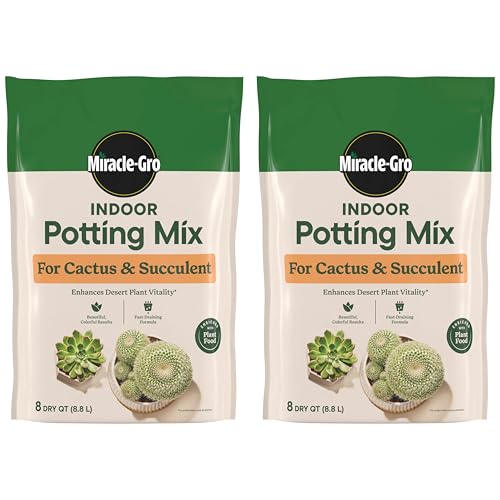
Miracle-Gro Indoor Potting Mix for Cactus and Succulent is enriched with Miracle-Gro Plant Food and enhances desert plant vitality (vs unfed plants when used as directed)

Made For Potted Citrus Trees: Our citrus potting soil mix is made for potted lemon, lime, orange and other citrus trees that need a lighter growing medium for repotting. We double-screen all of our raw ingredients to support a cleaner, more consistent texture for pouring and repotting potted citrus trees.

Made For Potted Citrus Trees: Our citrus potting soil mix is made for potted lemon, lime, orange and other citrus trees that need a lighter growing medium for repotting. We double-screen all of our raw ingredients to support a cleaner, more consistent texture for pouring and repotting potted citrus trees.
Potting And Soil Requirements
Choose a pot that allows for good drainage, as excess water can harm plant roots. Opt for a container that is slightly larger than the root ball, providing sufficient space for growth. Use a potting mix formulated for fruit trees or container plants. A blend with organic matter, perlite, and peat moss promotes healthy root development.
Repot your fruit tree every 1-2 years to refresh the soil and accommodate growth. Check for root-bound conditions by gently lifting the plant from its pot. If roots densely encircle the root ball, it’s time to repot into a larger container. Consider adding a layer of mulch on top of the soil to retain moisture and regulate temperature.
Watering And Fertilizing
Water your fruit tree when the top inch of soil feels dry. Use room-temperature water to prevent shock. Ensure the pot drains freely, allowing excess water to escape. Establish a consistent watering schedule, adjusting it based on seasonal changes and humidity levels.
Fertilize your indoor fruit tree every 4-6 weeks during the growing season, typically from spring to early fall. Use a balanced, water-soluble fertilizer, applying half the recommended dosage for indoor plants. Follow up with regular checks for signs of nutrient deficiencies, like yellowing leaves or stunted growth.
Common Challenges And Solutions
Growing fruit trees indoors presents unique challenges. You can overcome these obstacles with the right knowledge and strategies.
Recommended Products

【Newest Grow Light】The appearance of the lamp head adopts patentable mold technology and incorporates exclusive design concepts. The back plate has a unique pattern and premium texture which is not easily scratched. The holes in the back are specially reserved for heat dissipation space, saying goodbye to the heating problem during the use of the lamp.

Floor Standing Plant Light: The height adjustable 17 to 61 inches stand (rotate the metal ring on the bracket to pull out the extension) coupled with the 7.8 inch flexible gooseneck allows it to handle large, tall plants with ease; Additionally, it can adjust the angle and direction of the grow lamp to ensure that every part of the plant gets the best light it needs to grow

Designed for Large & Tall Indoor Plants:Designed specifically for large indoor plants and tall plants that need stronger and wider light coverage. Helps big plants thrive even in low-light areas like living rooms, corners, or offices.Provides full spectrum light (380nm–800nm) to support every stage of plant growth. A perfect sunlight replacement for indoor plants.
Pest Management
Pests can disrupt your indoor fruit tree health. Common pests include spider mites, aphids, and scale insects. Inspect your plants regularly for any signs of pests.
- Identify Pests: Look for webs, discolored leaves, or small insects on your trees.
- Use Natural Solutions: Introduce beneficial insects like ladybugs, or spray with insecticidal soap for infestations.
- Maintain Cleanliness: Keep your growing area tidy. Remove fallen leaves and debris to minimize pest habitats.
Dealing With Insufficient Light
Insufficient light affects growth and fruiting. Indoor spaces often don’t provide enough natural sunlight for fruit trees.
- Choose the Right Location: Place your tree near south or west-facing windows for maximum light exposure.
- Use Grow Lights: If natural light is limited, consider LED grow lights. They can supplement light and mimic sun exposure.
- Rotate Your Plants: Rotate your tree every few weeks to ensure all sides receive equal light, promoting balanced growth.
Conclusion
Growing a fruit tree indoors is not just a dream; it’s an achievable reality. With the right care and attention you can enjoy fresh fruit right from your home. The joy of nurturing a tree and watching it flourish brings a unique satisfaction.
You’ll also enhance your living space with the beauty of greenery and blossoms. Plus you get the added benefit of purifying the air. So whether you choose a dwarf citrus or a fig tree the rewards are plenty.
Don’t hesitate to dive into this rewarding journey. Your indoor garden awaits and it’s full of delicious possibilities!
Frequently Asked Questions
Can I grow a fruit tree indoors?
Yes, you can grow a fruit tree indoors! With the right conditions and knowledge, you can cultivate various dwarf fruit trees and enjoy fresh produce year-round in your home.
What types of fruit trees are suitable for indoor growth?
Dwarf varieties are best for indoor spaces. Popular options include Meyer lemon, Calamondin orange, Petite Negra fig, dwarf pomegranate (Nana), and Bonanza Peach. Non-tree options like strawberry and blackberry plants also thrive indoors.
How do I care for an indoor fruit tree?
Care involves proper potting, using well-draining soil, watering when the top inch of soil is dry, and fertilizing every 4-6 weeks during the growing season. Repot every 1-2 years for optimal growth.
What are common challenges in growing indoor fruit trees?
Common challenges include pests like spider mites and aphids, and insufficient light. Solutions include using insecticidal soap for pests, placing trees near bright windows, and using LED grow lights to enhance natural light.
How often do indoor fruit trees produce fruit?
Dwarf fruit trees can produce fruit multiple times a year, depending on the variety and care given. With the right conditions, you can enjoy fresh fruit throughout the year.
What benefits do indoor fruit trees provide?
Indoor fruit trees offer fresh produce, aesthetic appeal, vibrant greenery, beautiful blossoms, and air-purifying qualities, enhancing your living space while rewarding you with tasty fruits.
