

Have you ever wondered when you can finally enjoy the sweet taste of mulberries from your own tree? If you’ve planted a mulberry tree or are considering one, knowing when to expect fruit can be exciting yet confusing.
Key Takeaways
- Fruit Bearing Timeline: Mulberry trees typically bear fruit 1 to 2 years after planting, with full production achieved around 4 to 6 years.
- Optimal Growing Conditions: These trees thrive in well-drained soil, full sunlight for at least six hours daily, and require regular watering for healthy fruit development.
- Pollination Requirements: Some mulberry tree varieties necessitate cross-pollination, so planting multiple trees can enhance fruit yield and size.
- Signs of Ripeness: Look for small fruit clusters, color changes from green to darker shades, increased size, and a sweet aroma as indicators of ripe mulberries ready for harvest.
- Pruning Importance: Regular pruning improves air circulation and sunlight exposure, promoting a healthier tree and a more substantial fruit harvest.
Understanding Mulberry Trees
Mulberry trees thrive in various climates and can grow tall, typically reaching heights between 30 to 50 feet. They display broad, heart-shaped leaves that provide ample shade. You can find different types of mulberry trees, including black, red, and white varieties. Each type offers unique characteristics and fruit flavors.
Mulberry trees produce fruit in late spring to early summer. Once planted, it generally takes 1 to 2 years for a young tree to bear its first fruits. With proper care, including sufficient sunlight, well-drained soil, and regular watering, trees enter full production around 4 to 6 years after planting.
Mulberries often grow in clusters, resembling elongated blackberries. Their sweetness attracts various wildlife, including birds and bees, making them a vital part of the ecosystem. Harvesting occurs when the berries become plump and dark in color, indicating ripeness.
Be aware that some trees may not self-pollinate. Depending on the species, you might need multiple trees for better fruit yield. If you’re considering planting a mulberry tree, choose a spot with adequate space to accommodate its size and ensure good air circulation to prevent disease.
Growth Stages of Mulberry Trees
Understanding the growth stages of mulberry trees helps you anticipate when your tree will bear fruit. Here’s a breakdown of the key stages in mulberry tree development.
Seedling Stage
In the seedling stage, your mulberry tree starts from a seed or a young transplant. This stage typically lasts from planting until the tree reaches about 2 to 3 feet tall.
- Germination: Seeds require warmth and moisture to germinate. This process usually takes 14 to 30 days.
- Initial Growth: After germination, the seedlings develop their first true leaves and stem strength.
- Care Needs: Ensure seedlings receive consistent moisture and partial sunlight. Protect them from harsh weather and pests.
During this time, you can expect no fruit production. The focus remains on creating a robust foundation for future growth.
Mature Tree Stage
The mature tree stage begins when your mulberry tree reaches around 4 to 6 feet tall, usually occurring 1 to 2 years after planting.
- Fruit Development: At this stage, trees start producing fruit, typically several clusters in late spring to early summer.
- Full Production: After approximately 4 to 6 years, trees yield their maximum fruit potential. Depending on the species, you can harvest sweet, flavorful mulberries.
- Pollination: Some varieties benefit from cross-pollination. Planting multiple trees can enhance fruit yield and size.
Monitor your tree for health and growth as it matures. Optimal care leads to a bountiful harvest you can enjoy for years.
Factors Influencing Fruit Bearing
Several key factors influence when a mulberry tree bears fruit. Understanding these factors helps ensure a successful harvest.
Recommended Products
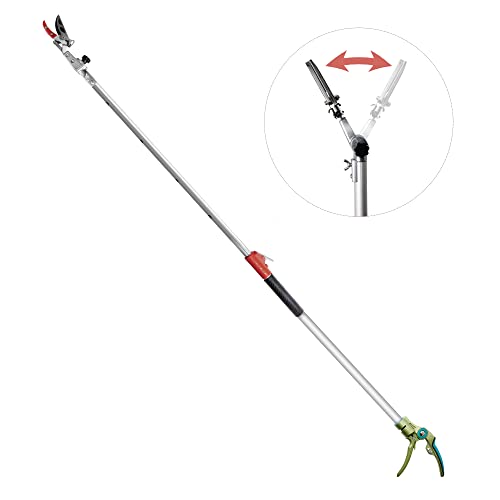
[Helpful Garden Tool] GARTOL brings to you a lightweight and extendable pruning tool to reach out to the least approachable arenas of your garden. You can conveniently get across other plants to remove the fastgrowing brambles and sting nettles without getting scratched or hurt. For gardening lovers, the telescopic pruner cutter head can can be rotated which resolves mobility issues and gives you the pleasure of trimming your garden without bending down or using a ladder to climb and cut them.

CHOPS THROUGH 2-INCH BRANCHES EFFORTLESSLY: The compound action mechanism multiplies your cutting power for fast removal of dry, dead and woody growth. This anvil-style blade is built for the toughest preparatory cuts and cut-to-length work, making heavy-duty pruning dramatically easy through extra leverage.
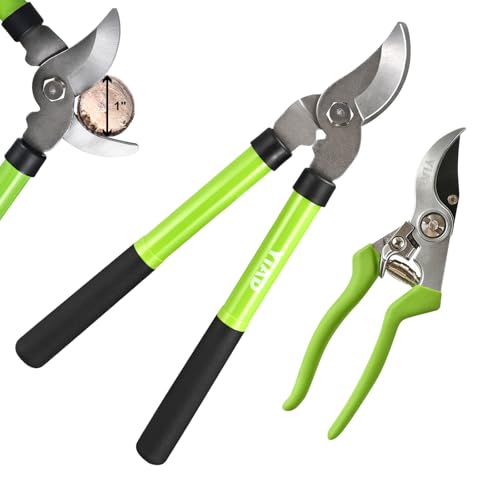
🌿【SK-5 Hardened Steel + Teflon Coating】: Blades forged from premium SK-5 high-carbon steel with multi-stage heat treatment—3X stronger cutting power than standard stainless steel. Teflon coating prevents sap buildup and rust, even in rain and humid conditions. Clean cuts through branches, limbs, trees, shrubs, hedges, and rose bushes without bark tearing. Perfect for detailed garden work and yard tasks—an excellent choice for both beginners and experienced gardeners.
Tree Age
Tree age significantly affects fruit production. Mulberry trees typically start producing fruit between 1 to 2 years after planting. Full production occurs around 4 to 6 years. Young trees may bear fewer fruits initially, but as they mature, the yield increases. You can expect a more fruitful harvest with proper care and patience.
Environmental Conditions
Environmental conditions play a crucial role in fruit bearing. Mulberries thrive in well-drained soil, receiving full sun for at least six hours a day. Ensure your tree is planted in an area protected from strong winds, which can damage blossoms and reduce yield. Adequate moisture is essential, so irrigate regularly during dry spells. Consider local climate conditions, as some varieties may perform better in specific environments.
Pruning Practices
Pruning practices affect the overall health and productivity of mulberry trees. Proper pruning encourages robust growth and enhances fruit production. Aim to prune your tree during late winter or early spring, removing any dead or overcrowded branches. This practice improves air circulation and sunlight exposure, leading to healthier fruit development. Regular maintenance can significantly increase your tree’s fruit yield over time.
Signs of Fruit Development
You can identify signs of fruit development on mulberry trees by observing several key features.
- Flower Formation
Watch for the appearance of tiny flowers in early spring. These flowers develop before the leaves fully unfold. They may vary in color depending on the tree type, appearing in shades of white, pink, or green. - Fruit Clusters
Notice the development of small fruit clusters shortly after flowering. These clusters form as the fertilized flowers mature into fruit. Each cluster usually contains multiple berries. - Color Change
Monitor the color changes in the developing fruit. Initially, the berries are small and green, but they transition to shades of red, purple, or black—depending on the variety—as they ripen. - Size Increase
Observe the size of the berries as they grow. Fruit will swell and become noticeably plumper about 4 to 6 weeks after flower formation. This change indicates healthy fruit development. - Sweet Aroma
Pay attention to the sweet smell emitting from the fruit when it’s close to ripening. A strong fragrance signals that the berries are reaching their optimal harvest time. - Harvest Timing
Assess fruit ripeness by gently squeezing the berries. When they feel soft and yield to pressure, it’s the right moment for harvesting.
Conclusion
Growing a mulberry tree can be a rewarding experience. With a little patience and care you’ll soon be enjoying sweet, juicy berries right from your yard. Remember that factors like tree age and environmental conditions play a big role in how quickly your tree bears fruit.
As you nurture your mulberry tree keep an eye out for those delightful signs of fruit development. Before you know it you’ll be harvesting clusters of plump berries that will attract not only your taste buds but also local wildlife. Happy gardening and enjoy the fruits of your labor!
Frequently Asked Questions
When can I expect fruit from my mulberry tree after planting?
After planting a mulberry tree, you can expect to see fruit in 1 to 2 years, with full production typically achieved in 4 to 6 years, provided the tree receives proper care.
What types of mulberry trees are there?
There are three main types of mulberry trees: black, red, and white. Each type has its unique characteristics and fruit flavors, which can vary from sweet to mildly tart.
How tall do mulberry trees grow?
Mulberry trees generally grow between 30 to 50 feet tall. Their size can vary based on the specific variety and growing conditions.
What environmental conditions do mulberry trees need to thrive?
Mulberry trees thrive in well-drained soil, with plenty of sunlight and protection from harsh winds. Regular irrigation during dry periods is also important for healthy growth.
How do I know when to harvest mulberries?
Harvest mulberries when they are plump, dark, and soft to the touch. A sweet aroma will also indicate they are nearing optimal ripeness.
Do mulberry trees require cross-pollination?
Some mulberry tree varieties benefit from cross-pollination, which can enhance fruit yield and size. Planting multiple trees is advisable for better fruit production.
What are the key stages of growth for a mulberry tree?
The growth stages include the seedling stage, lasting until the tree is about 2 to 3 feet tall, and the mature tree stage, where fruit production begins after reaching about 4 to 6 feet.
How do I care for my mulberry tree to ensure good fruit production?
Proper care includes regular watering, pruning in late winter or early spring for better air circulation, and ensuring adequate sunlight and well-drained soil to promote healthy growth and fruiting.
