

Have you ever wondered why your apple tree isn’t producing as much fruit as you’d hoped? You’re not alone. Many gardeners face this issue, and the solution often lies in proper pruning techniques.
Pruning might seem daunting, but it’s a vital step in encouraging healthy growth and maximizing fruit yield. By learning how to trim your apple tree effectively, you’ll not only boost its productivity but also improve its overall health. This article will guide you through simple yet effective pruning methods that will help your tree flourish and produce delicious apples for years to come.
Key Takeaways
- Pruning Importance: Regular pruning is essential for apple tree health and increases fruit production by enhancing air circulation and sunlight exposure.
- Optimal Timing: Aim to prune during late winter or early spring when the tree is dormant to minimize disease risk and encourage healing.
- Essential Techniques: Focus on removing dead or diseased wood, thinning crowded branches, and limiting cuts to about 20% of the tree annually to avoid stress.
- Right Tools: Use appropriate pruning tools like shears, loppers, and saws, along with safety gear, to make the process efficient and safe.
- Understanding Growth: Recognize the growth cycle of apple trees to determine the best branches to prune for maximizing fruit yield.
- Avoid Common Mistakes: Prevent over-pruning and neglecting the overall health of the tree to ensure a strong, productive apple tree for years to come.
Understanding Apple Tree Pruning
Pruning apple trees is crucial for enhancing fruit production and maintaining tree health. The right techniques lead to better air circulation, sunlight exposure, and overall tree structure.
Importance of Pruning
Pruning helps shape the tree, directing growth where it’s needed. It removes dead or diseased branches, minimizing potential pest issues. Effective pruning increases sunlight access, which ultimately boosts fruit quality and quantity. Pruned trees tend to produce larger apples, as nutrients focus on fewer, well-positioned fruits. Timing also matters; late winter or early spring is often preferred for pruning, as it encourages healthy growth during the growing season.
Understanding Tree Growth
Understanding how apple trees grow aids in effective pruning. Apple trees grow in a specific pattern, producing new shoots and flowers on last year’s growth. These generative shoots are where fruit develops. During spring, buds swell and begin to flower. Recognizing this cycle helps you time your pruning effectively. Focus on removing weak or crossing branches to encourage a strong framework. Each cut directs the tree’s energy, promoting healthy, productive growth. Don’t forget to maintain a balance; only prune about 20% of the tree each year to avoid shock and ensure healthy recovery.
Tools Required for Pruning
Pruning your apple tree requires the right tools for effective and efficient work. Here’s a breakdown of what you’ll need.
Recommended Products

PROFESSIONAL GARDENING GRAFTING TOOLS: Including 2 in 1 grafting pruning tools, 3 replaceable blades, a grafting knife, a screwdriver, a wrench, 2 grafting films, 160 rubber bands, 40 wide rubber bands, and 50 colorful tag cards

【Surgical-Precision Grafting Tools】 Crafted with Japanese SK5 High-Carbon Steel blades (HRC 58-60 hardness) and ergonomic ABS handles, our 2-in-1 pruner delivers clean cuts up to 1/2" diameter branches. Dual-edge Ω/U/V blades prevent stem crushing, boosting grafting success rates by 40%* (*lab test data).

Heat-Treated Serrated Saw Blade: 8" saw blade designed for efficient cutting of branches and tough materials, ensuring sharpness and durability.
Essential Pruning Tools
- Pruning Shears: Choose bypass pruners for clean cuts on live branches. Ensure they’re sharp, as dull blades can cause damage.
- Loppers: Use loppers for thicker branches that are too large for pruning shears. These extend your reach and provide more leverage.
- Saw: A pruning saw works well for larger branches. Select one with a curved blade for easier cutting.
- Rakes and Tarps: Keep your workspace tidy with rakes for collecting debris and tarps for easy cleanup.
- Garden Gloves: Protect your hands from cuts and thorns with a sturdy pair of gloves.
- Pole Pruner: This tool allows you to reach high branches without a ladder, making it easier to access hard-to-reach areas.
- Safety Goggles: Protect your eyes from flying debris. Wearing goggles keeps your vision clear during pruning.
- Hard Hat: If you’re working beneath heavy branches, a hard hat reduces the risk of injury from falling limbs.
- Steel-Toed Boots: Wear sturdy shoes to protect your feet from falling tools or branches.
- Long Pants and Long Sleeves: Dress in protective clothing to shield your skin from cuts and scratches.
Having the right tools and safety equipment will make pruning your apple tree an easier, safer experience.
Steps for Pruning an Apple Tree
Pruning your apple tree correctly promotes healthy growth and boosts fruit production. Follow these steps to achieve optimal results.
Recommended Products

▲【Large Fruit Picker Basket with Claw】Our fruit picker rake comes with metal twist on head basket( 9"x5.5"x5.5") for picking avocado, tangerines, apple, persimmon, grapefruit, mango, apple, pear, fig, orange, papaya,mandarins, lemons, jujubes and more fruit in four seasons.

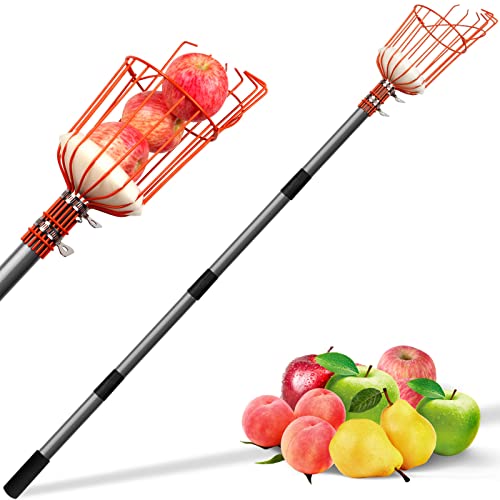
【Gentle Harvesting& Less Bruising】:This fruit picker basket features a cushioned foam pad that gently absorbs impact when fruits drop, helping reduce bruising and damage. The large-capacity metal basket is suitable for fruits ranging from 1-5.5 inches in diameter. Such as apples, mangoes, cherries, and other fruits, it ensures cleaner and safer picking with less waste.
Timing the Pruning
Prune during late winter or early spring when the tree is dormant. This timing favors healing and minimizes the risk of disease. Look for a clear day when temperatures are above freezing. Avoid pruning if your area has had a late frost, as this can damage new cuts.
Basic Pruning Techniques
- Assess the Tree Structure: Start by inspecting your tree’s shape and size. Look for weak, crossing, or inward-growing branches.
- Remove Dead or Diseased Wood: Cut off any brown or brittle branches. Dispose of these properly to prevent spreading diseases.
- Thin Out Crowded Areas: Eliminate branches that crisscross or grow too close together. This improves air circulation and light penetration.
- Tip Pruning: Trim the tips of overly long branches. This encourages branching and boosts fruit production.
- Limit Your Cuts: Aim to prune no more than 20% of the tree each year. This helps prevent shock.
- Choose a Dominant Leader: Identify the main trunk and maintain it as the dominant leader. Remove competing leaders to encourage a strong central structure.
- Create an Open Center: For an open-center shape, remove branches that grow inward. This allows sunlight to reach the inner branches.
- Balance the Canopy: Ensure an even distribution of branches around the tree. Aim for a symmetrical shape.
- Encourage Lateral Growth: Trim vertical branches to foster horizontal growth, which is more productive for apple trees.
These steps promote healthy, fruitful apple trees, leading to bountiful harvests. Regular attention to your tree’s shape and health ensures it remains productive for years.
Common Mistakes to Avoid
Pruning an apple tree can enhance its fruit production, but certain mistakes can hinder your efforts. Avoid these common pitfalls to ensure a healthy, fruitful tree.
Recommended Products

Preschool Learning Educational Activities Toys: This Montessori apple picking tree toy introduces kids to hands-on learning, allowing them to practice life skills like picking, sorting, and matching while boosting their hand-eye coordination and concentration

VERSATILE PRUNING AND CUTTING SET: 2-tool combo helps tackle both live green growth and deadwood, making it easy to prune branches, trim plants, and cut through tougher material
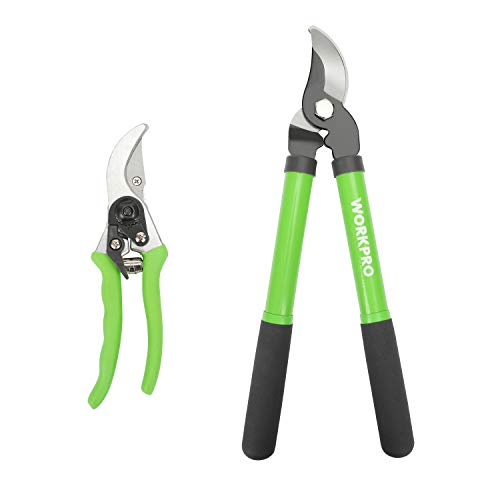
Ideal for pruning flowers and other garden plants
Over-Pruning
Over-pruning can stress your apple tree. Removing too many branches leads to shock and may reduce fruit yield. Limit pruning to about 20% of the tree each year. Focus on removing dead or diseased wood and thinning crowded areas instead of drastically shaping the tree. This method promotes recovery and strengthens the tree, supporting its growth and fruiting capacity.
Neglecting Tree Health
Neglecting the overall health of your apple tree can result in poor fruit production. Always assess the tree’s condition before pruning. Look for signs of disease, pest infestations, or nutrient deficiencies. Address these issues first, as a healthy tree withstands pruning better. Additionally, ensure proper watering and fertilization practices throughout the year. A well-nourished tree thrives and produces more fruit, making these foundational care steps essential before you start pruning.
Conclusion
Pruning your apple tree might feel daunting but it’s a vital step toward a fruitful harvest. By following the right techniques and timing you’ll set your tree up for success.
Remember to keep it simple and focus on removing the weak and diseased branches. This will not only improve air circulation but also allow more sunlight to reach the healthy parts of the tree.
With the right tools and a little patience you’ll be well on your way to enjoying a bountiful crop of delicious apples. Happy pruning and here’s to a thriving apple tree in your garden!
Frequently Asked Questions
Why aren’t my apple trees producing fruit?
Apple trees may not produce fruit due to improper pruning, insufficient sunlight, poor soil health, or pest infestations. Ensuring regular maintenance, including proper pruning, can significantly improve their productivity.
How often should I prune my apple trees?
It’s recommended to prune apple trees annually, ideally in late winter or early spring while the tree is dormant. This timing encourages healthier growth and better fruit production.
What tools do I need for pruning apple trees?
Essential tools include bypass pruners, loppers, a pruning saw, rakes, tarps, garden gloves, pole pruners, safety goggles, and protective clothing. Having the right tools ensures an efficient and safe pruning process.
What are common mistakes to avoid while pruning?
Avoid over-pruning, as it can stress the tree and lead to reduced fruit yield. Limit pruning to about 20% of the tree each year and focus on removing dead or diseased wood for better growth.
How can I promote healthy growth in my apple trees?
Promote healthy growth by maintaining good tree structure, ensuring adequate sunlight and air circulation, and regularly assessing tree health. Watering, fertilization, and pruning are crucial for optimal development.
When is the best time to prune apple trees?
The best time to prune apple trees is in late winter or early spring when the tree is dormant. This timing supports healthy growth and minimizes potential damage to the tree.
How much of the tree should I prune each year?
Prune about 20% of the tree each year to avoid shock and promote recovery. Focus on dead or diseased wood while maintaining a balanced structure for better sunlight access and airflow.
