

Have you ever wondered when your plum tree will finally reward you with its sweet, juicy fruit? You’re not alone! Many new gardeners face this question, eager to enjoy the delicious harvest from their hard work.
Key Takeaways
- Timeframe for Fruiting: Plum trees typically begin producing fruit 4 to 6 years after planting, varying by species and care.
- Types of Plum Trees: Different varieties, such as European, Japanese, and Wild plums, have distinct growth patterns and maturity timelines.
- Growth Stages: Understanding the growth stages (establishment, flowering, fruit set, harvesting) is key to anticipating fruit production.
- Environmental Requirements: Plum trees thrive in full sun with optimal temperature (70°F to 80°F), well-drained soil, and consistent watering.
- Proper Care Practices: Regular maintenance, including pruning, watering, and fertilization, is essential for encouraging fruit production.
- Choosing Grafted Trees: Grafted plum trees typically yield fruit quicker than those grown from seeds or seedlings, enhancing productivity.
Understanding Plum Trees
Plum trees are a rewarding addition to any garden, providing delicious fruit with proper care. Knowing the types of plum trees and their growth stages helps you understand when to expect fruit production.
Types of Plum Trees
Plum trees come in several varieties, each with distinct characteristics. Here are a few popular types:
- European Plums: These plums thrive in cooler climates, producing sweet, juicy fruit. Varieties like ‘Italian’ and ‘Stanley’ are well-known.
- Japanese Plums: Known for their vibrant colors, Japanese plums bear fruit earlier. Varieties such as ‘Satsuma’ and ‘Santa Rosa’ are common choices.
- Wild Plums: Native to various regions, wild plums are often smaller and tart. They can serve as excellent rootstocks for grafting other varieties.
Consider your climate and available space when selecting a plum tree variety, as these factors heavily influence growth and fruit yield.
Growth Stages of Plum Trees
Understanding the growth stages of plum trees is crucial for tracking their progression toward fruit production:
- Planting: After selecting a suitable variety, plant your plum tree during early spring or fall. Ensure the location has full sun and well-drained soil.
- Establishment: In the first 1-2 years, the tree focuses on root development and growth. Water regularly and apply mulch to retain moisture.
- Flowering: By year 3-5, you can expect blooming, depending on the variety and growing conditions. Flowers may appear in late winter or early spring.
- Fruit Set: Once flowering occurs, pollination leads to fruit set. You may see small plums develop within a few weeks.
- Harvesting: Depending on the type and conditions, fruit typically matures 3-6 months post-pollination. Most varieties produce fruit 4-6 years after planting.
Monitor your plum tree’s health throughout each stage with careful watering, pruning, and fertilizing practices. Patience is key as you await your first harvest.
Factors Influencing Fruit Production
Several factors affect when plum trees start producing fruit. Understanding these factors helps you nurture your tree better and enjoy a fruitful harvest.
Recommended Products

100% Natural: Custom blend for Fiddle Leaf Fig Tree (Lyre Leaf Fig Tree); no artificial ingredients

A premium, value added potting mix
Tree Age and Maturity
Tree age plays a significant role in fruit production. Generally, plum trees start bearing fruit between 4 and 6 years after planting. Younger trees focus on root and foliage growth. They establish a healthy foundation before producing fruit. If you want to enhance your tree’s chance of fruiting, consider planting a grafted tree. Grafted trees often yield fruit quicker than seeds or seedlings.
Environmental Conditions
Environmental conditions heavily influence fruit production. Factors include sunlight, temperature, soil type, and water availability.
- Sunlight: Plum trees thrive in full sun, requiring at least 6 hours of direct sunlight daily to produce fruit.
- Temperature: Usual fruiting takes place when temperature ranges between 70°F and 80°F.
- Soil Type: Well-drained, sandy loam soils boost root health and support fruit development.
- Water Availability: Consistent watering, particularly during fruit set, encourages healthy fruit growth.
Ensuring optimal conditions can significantly enhance your plum tree’s fruit production. Regular monitoring can help identify and address any environmental challenges that arise.
When Do Plum Trees Start Producing Fruit?
Plum trees typically begin producing fruit 4 to 6 years after planting. This timeframe can vary based on species, age, and care. Patience plays a crucial role as you watch your tree mature.
Recommended Products

Down to Earth Fruit Tree is a five pound box of all natural fertilizer with 6-2-4 formula and is listed by the Organic Materials Review Institute (OMRI) for use in organic production

24 Plum tree cuttings, each approximately 6–8 inches tall

Mature Size: Reaches 15-20 ft in height with a 15-20 ft spread at full maturity
General Timeline for Fruiting
- First Year: Focus on establishing roots. Your tree may produce a few flowers, but fruit set is unlikely.
- Second to Third Year: Your tree continues to grow. Watch for more flowers as it gains strength.
- Fourth to Sixth Year: Expect your first significant harvest. Fruit set occurs during this period, assuming optimal conditions.
- European Plums: Generally, these trees start fruiting around 4 to 6 years after planting. Popular varieties include ‘Damson’ and ‘Greengage’.
- Japanese Plums: Expect fruit production in 3 to 5 years. Varieties like ‘Satsuma’ and ‘Shiro’ are common choices.
- Wild Plums: These often take longer, with fruiting starting after 6 years. They offer unique flavors and are more drought-tolerant.
Monitoring the growth and health of your trees through proper care is vital. Adjust your approach based on the specific variety and conditions in your garden.
Tips for Encouraging Fruit Production
Encouraging fruit production in your plum trees requires a balanced approach to care and maintenance. Implementing the right strategies helps maximize your harvest potential.
Recommended Products

Package contains 4 Pounds organic fruit and citrus fertilizer grains and is produced to avoid wasteful runoff, mess, hazards and smells

🍋 EXPLOSIVE HARVEST: GardenWise ignites a remarkable yield boost. Its scientific blend, featuring 6% nitrogen for growth, 4% phosphorus for flowering, and 6% potassium for fruit quality, culminates in an abundance of flavorful, aromatic fruits. This is more than growth; it's a nutrient-powered revolution in your citrus yield.
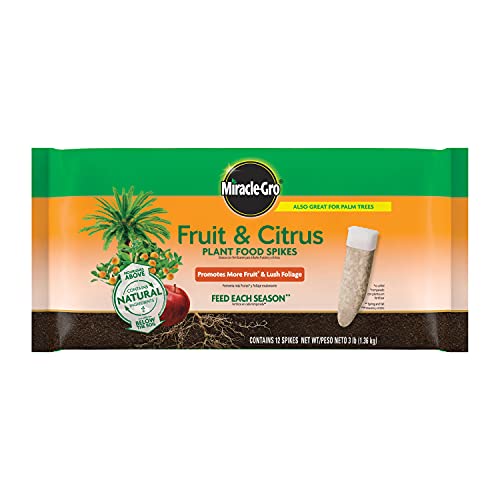
FORMULATED FOR CITRUS AND FRUIT TREES: Use these citrus fertilizer spikes on apple, orange, lemon, lime, and avocado trees; this formula is also great for feeding palm trees
Proper Care and Maintenance
Ensure your plum trees receive proper care throughout their growth stages. Water them consistently, especially during dry spells. Aim for deep watering rather than frequent, shallow applications. Monitor for pests and diseases; act quickly if you spot any issues. Prune your trees annually to remove dead or damaged branches and to improve airflow. This practice boosts sunlight exposure to leaves, which encourages fruit development. Finally, choose a suitable planting location that provides at least 6 hours of direct sunlight daily.
Fertilization Recommendations
Fertilization plays a critical role in promoting fruit production. Use a balanced fertilizer specifically formulated for fruit trees in early spring. Look for a formula with an N-P-K ratio of 10-10-10 or similar. Apply according to the package instructions, ensuring proper distribution around the root zone. Additionally, consider adding organic compost or well-rotted manure to enrich the soil. This practice enhances soil structure and nutrient availability. Avoid over-fertilization, as it can lead to excessive leaf growth at the expense of fruit. Regular soil testing can help determine additional nutrient needs.
Conclusion
Your journey with plum trees is filled with excitement and patience. As you nurture your trees through their early years you’ll be rewarded with the sweet taste of success. Remember that each variety has its own timeline and care requirements so staying attentive to their needs is key.
With the right conditions and a little love your plum trees will eventually bear fruit. Enjoy the process and look forward to those delicious harvests in the years to come. Happy gardening!
Frequently Asked Questions
When will my plum trees start to produce fruit?
Plum trees typically start producing fruit 4 to 6 years after planting. This timeline can vary based on the species, tree age, and care provided. Japanese plums may fruit sooner, usually in 3 to 5 years, while wild plums often take longer, usually starting after 6 years.
What factors influence the fruit production of plum trees?
Fruit production is influenced by several factors including the tree’s age and maturity, environmental conditions (sunlight, temperature, soil type), and care practices. Consistent watering, nutrient management, and proper pruning are crucial for enhancing fruit yield.
How much sunlight do plum trees need?
Plum trees require at least 6 hours of direct sunlight daily to thrive and produce fruit. Adequate sunlight is essential for photosynthesis and overall tree health.
What type of soil is best for plum trees?
Plum trees thrive in well-drained sandy loam soils. This soil type provides necessary nutrients while allowing for proper drainage to prevent root rot and other issues.
How often should I water my plum trees?
Plum trees need consistent watering, especially during dry spells. Deep watering is recommended over frequent shallow applications to encourage healthy root growth and support fruit development.
Can I encourage my plum trees to produce fruit faster?
To encourage faster fruit production, ensure optimal care by providing sufficient sunlight, consistent watering, balanced fertilization, and annual pruning to improve airflow and light exposure.
Should I fertilize my plum trees?
Yes, fertilizing plum trees is essential for promoting healthy growth and fruit production. Apply a balanced fertilizer in early spring and consider incorporating organic compost to enrich the soil, but avoid over-fertilization.
What are the main types of plum trees?
The main types of plum trees include European plums, Japanese plums, and wild plums. Each type has unique characteristics and growth requirements, so consider your climate and space when selecting a variety.
