

Have you ever wondered when your lemon or lime tree will reward you with its tangy fruits? If you’ve planted one of these vibrant trees in your garden, you’re likely eager to know when you can finally enjoy that fresh citrus flavor.
Key Takeaways
- Fruit Production Timeline: Lemon trees produce fruit in three to five years, while lime trees typically bear fruit within two to three years after planting.
- Flowering Seasons: Lemon trees bloom primarily in spring and fall, whereas lime trees can flower year-round, affecting their harvest frequency.
- Optimal Conditions: Both trees thrive in warm climates (70°F to 85°F) with well-draining, organic-rich soil and pH levels between 5.5 and 6.5 to enhance fruit production.
- Care Techniques: Regular watering, appropriate fertilization, strategic pruning, and ensuring adequate sunlight are essential for maximizing fruit yield and tree health.
- Pest and Disease Management: Early identification of pests and implementing good hygiene practices help protect trees from diseases and ensure a fruitful harvest.
Overview Of Lemon And Lime Trees
Lemon and lime trees belong to the citrus family and thrive in warm, sunny environments. Both trees produce fragrant flowers that lead to fruit.
Growth and Maturity
Lemon trees typically take three to five years to start producing fruit. Lime trees often bear fruit within two to three years. Factors like tree variety, weather, and care influence fruiting timelines.
Flowering
Flowering seasons differ slightly. Lemon trees usually bloom in spring and again in fall. Lime trees often produce flowers throughout the year. Healthy trees with ample sunlight and water promote more blooms.
Fruit Development
After flowering, fruit development begins. Lemons take six to nine months to mature. Limes can take around three to four months. Warm temperatures and proper nutrients enhance growth.
Seasonal Considerations
You can expect fruit production to vary by season. Mild climates support consistent yields, while colder regions result in limited fruit. Understanding your climate helps in planning for citrus harvests.
Care and Maintenance
Proper care affects fruit yield. Regular watering, well-drained soil, and balanced fertilization help trees thrive. Pruning dead or unhealthy branches also encourages better fruit production.
Common Varieties
Several varieties of lemon and lime trees exist. Popular lemon varieties include Eureka and Lisbon. Key lime and Persian lime are common types. Each variety may have different growth rates and fruiting behaviors.
Keeping these factors in mind helps you anticipate when your lemon or lime trees will produce fruit, ensuring a fruitful gardening experience.
Factors Affecting Fruit Production
Fruit production in lemon and lime trees hinges on several key factors. Understanding these components can help you optimize growth and yield.
Recommended Products

Balanced Organic Nutrition – Supplies a 6‑3‑3 NPK ratio along with calcium, sulfur, iron, and zinc to foster healthy foliage, flowering, and fruit.

Fast Acting Lime – Fast Acting Lime starts working immediately to raise the pH of your soil, helping grass and other plants absorb nutrients more efficiently, and get your lawn back to looking its best.

Made for Lemon & Citrus Trees – Formulated to support healthy growth in lemon and citrus plants.
Climate Requirements
Climate plays a pivotal role in fruit production. Lemon and lime trees thrive in warm, sunny environments where temperatures range from 70°F to 85°F. Frost can harm young plants and fruit set, so planting in frost-free areas is essential. Popular regions for growing these trees include USDA hardiness zones 9 to 11. If you live in cooler climates, consider growing your trees in containers that can be moved indoors during winter.
Soil Conditions
Soil quality directly impacts tree health and fruit production. Well-draining soil rich in organic matter promotes vigorous growth. Ideal pH levels for lemon and lime trees are between 5.5 and 6.5. Incorporating compost or aged manure improves soil structure and nutrition. A soil test may reveal nutrient deficiencies, allowing you to adjust fertilizer applications to enhance fruit yield.
Tree Age
Tree age significantly influences fruit production timelines. Lemon trees typically start bearing fruit at three to five years, while lime trees may yield fruit in just two to three years. As trees mature, their fruiting capability increases. Younger trees may produce fewer fruits or smaller sizes. Regular pruning can help maintain tree health and enhance fruit quality as trees age.
Fruit Production Timeline
Lemon and lime trees each follow a distinct timeline for fruit production, influenced by various factors.
Recommended Products

Let our professionally formulated plant food help your citrus tree grow healthy, strong AND abundantly producing

FOR USE ON: Use Citrus-tone organic fertilizer for all citrus trees, including lemon, lime, orange, Meyer Lemon Trees as well as for avocado & nut trees
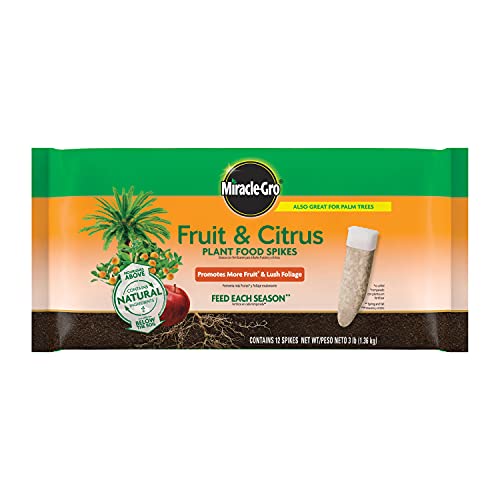
FORMULATED FOR CITRUS AND FRUIT TREES: Use these citrus fertilizer spikes on apple, orange, lemon, lime, and avocado trees; this formula is also great for feeding palm trees
Lemon Tree Fruit Production
Lemon trees typically start producing fruit three to five years after planting. Once they flower, lemons take about six to nine months to ripen. Lemon trees bloom in both spring and fall, with each blooming cycle potentially leading to new fruit. Ensure proper care through consistent watering, sunlight, and adequate fertilization to maximize yield. Providing proper pruning promotes healthier growth and improves fruit quality.
Lime Tree Fruit Production
Lime trees bear fruit more quickly, usually within two to three years from planting. After flowering, limes mature in about three to four months. Unlike lemon trees, lime trees can flower year-round, allowing for multiple harvests annually. Regular maintenance, including watering and nutrient management, supports healthy fruit growth. Additionally, protecting lime trees from cold temperatures enhances their fruit production potential.
Tips For Optimizing Fruit Yield
Optimizing fruit yield for lemon and lime trees involves a combination of proper care techniques and effective pest and disease management.
Recommended Products

Gentle Plant Wash Made with Neem Oil & Peppermint Oil

Premium Neem Oil Plant Wash – 8 oz Bottle – Infused with neem oil and a natural blend of essential oils (tea tree, clove, sage, thyme, cedarwood, lemongrass, peppermint, garlic, and capsicum)

Gentle Plant Wash Made with Neem Oil & Peppermint Oil
Proper Care Techniques
- Watering Regularly: Ensure consistent moisture without waterlogging. Water deeply once a week, increasing frequency during dry spells.
- Fertilizing Appropriately: Use a balanced citrus fertilizer with equal parts nitrogen, phosphorus, and potassium. Apply every 6 to 8 weeks during the growing season.
- Pruning Strategically: Trim dead or overcrowded branches to improve airflow and sunlight exposure. Prune in late winter before new growth starts.
- Providing Adequate Sunlight: Place your trees in locations that receive at least 8 hours of direct sunlight daily. This encourages flowering and fruit development.
- Maintaining Ideal Soil Conditions: Use well-draining, organic-rich soil with a pH between 5.5 and 6.5. You can amend soil with compost to enhance fertility.
- Harvesting Timely: Check fruits regularly. Pick lemons when they turn yellow and full-sized, while limes are best when they’re still green and firm.
- Identifying Pests Early: Monitor for pests like aphids, spider mites, and scale. Use a magnifying glass to inspect leaves regularly.
- Using Organic Pesticides: When pests appear, apply neem oil or insecticidal soap. These are effective and less harmful to beneficial insects.
- Practicing Good Hygiene: Clean up fallen leaves and fruit to reduce disease risk. Dispose of any affected plants or plant parts immediately.
- Implementing Companion Planting: Grow marigolds or basil near your trees. These plants can deter pests and promote a healthier ecosystem.
- Monitoring for Diseases: Look for signs of common citrus diseases, such as powdery mildew or root rot. Remove infected areas promptly and ensure good drainage.
- Regularly Checking Soil Moisture: Use a moisture meter to determine soil conditions. Avoid letting soil dry out completely, but also avoid overwatering.
By implementing these tips, you create an environment that maximizes the fruit yield of your lemon and lime trees, ensuring a bountiful harvest.
Conclusion
Growing lemon and lime trees can be a rewarding journey filled with fresh flavors and delightful aromas. By understanding their unique timelines and care requirements you can set yourself up for success. Whether you’re eagerly waiting for your first harvest or enjoying the fruits of your labor remember that patience and proper care are key.
With the right conditions your trees can thrive and yield delicious citrus fruits for years to come. So keep nurturing your plants and soon enough you’ll be savoring the taste of homegrown lemons and limes right from your garden. Happy gardening!
Frequently Asked Questions
How long does it take for lemon trees to bear fruit?
Lemon trees typically start producing fruit within three to five years after planting. Various factors like climate, soil quality, and tree age can affect this timeline.
When do lime trees start producing fruit?
Lime trees usually bear fruit within two to three years of planting. They can flower throughout the year, allowing for multiple harvests annually.
What conditions do lemon and lime trees need to thrive?
Both trees prefer warm temperatures between 70°F and 85°F and should be planted in frost-free areas. Well-draining, organic-rich soil with a pH of 5.5 to 6.5 is ideal for their growth.
How long does it take for lemons and limes to mature?
Once flowers bloom, lemons take six to nine months to mature, while limes mature in about three to four months.
What are key maintenance tips for citrus trees?
To maximize yield, regularly water without waterlogging, use balanced citrus fertilizer, prune for airflow, ensure adequate sunlight, and maintain optimal soil conditions.
How can I manage pests and diseases in my citrus garden?
Early identification of pests is crucial. Use organic pesticides, maintain good garden hygiene, and monitor plants regularly for any signs of diseases to keep your trees healthy.
