

Are you struggling to grow fruit trees in your shady backyard? You’re not alone. Many gardeners face the challenge of limited sunlight but still want to enjoy fresh fruit from their own trees.
Key Takeaways
- Fruit Trees for Shade: Several fruit trees, including apple, cherry, plum, pawpaw, and fig, can thrive in partial shade, offering potential for garden harvesting even in less sunlight.
- Sunlight Needs: Most recommended varieties require at least four to six hours of direct sunlight daily; morning sun exposure is particularly beneficial for growth.
- Soil Quality: Well-draining, nutrient-rich soil is essential. Enrich with compost and maintain a pH between 6.0 and 6.8 for optimal tree health.
- Watering Practices: Consistent moisture is crucial; water deeply but infrequently to avoid waterlogging and promote healthy root development.
- Pruning Importance: Regular pruning enhances air circulation and light penetration, ultimately supporting better fruit production in shaded areas.
- Pest Management: Monitor trees for pests and diseases, use natural predators for control, and apply organic pesticides as necessary to maintain tree health.
Overview of Fruit Trees in Partial Shade
Growing fruit trees in partial shade can be rewarding. Many gardeners face limited sunlight but still want fresh fruit from their own yards. Certain fruit trees thrive in shaded areas, providing you with a fruitful harvest despite the challenge of limited light.
Recommended Fruit Trees
- Apple Trees
- Apple trees tolerate partial shade and can produce good yields. Varieties like ‘Liberty’ and ‘Gravenstein’ perform well in less-than-full sun.
- Cherry Trees
- Consider sour cherry trees like ‘Montmorency.’ They tolerate some shade and are easier to grow than sweet varieties.
- Plum Trees
- European plum trees, such as ‘Stanley,’ grow well in partial shade. They require fewer sunlight hours compared to other types.
- Pawpaw Trees
- Pawpaw trees excel in shady conditions. They need light, but can thrive with only four to six hours of direct sunlight each day.
- Fig Trees
- Fig trees like ‘Brown Turkey’ can adapt to partial shade. They still yield fruits even with limited sun exposure.
Planting Tips for Success
- Location: Choose an area that receives morning sun. This ensures the tree gets enough light without overheating in the afternoon.
- Soil Preparation: Use well-draining soil enriched with compost for healthy growth. Testing soil pH helps in choosing the right amendments.
- Watering: Keep the soil consistently moist, but avoid waterlogging. Establishing a regular watering schedule aids growth.
- Pruning: Regular pruning improves air circulation and light penetration, even in partially shaded areas.
- Extended Growing Season: Shady areas often have cooler temperatures, allowing for longer fruiting periods.
- Biodiversity: Growing different types of trees promotes a healthier garden ecosystem.
- Fruits for You: Enjoy fresh homegrown fruit, contributing to a sustainable lifestyle and healthier eating habits.
By selecting the right types of trees and caring for them properly, you can enjoy a productive garden, even in partial shade.
Factors to Consider for Growing Fruit Trees
When growing fruit trees in partial shade, specific factors influence their success. Focusing on light, soil, and water ensures optimal growth and fruit production.
Recommended Products

Due to agricultural laws, we CANNOT SHIP TO CA, AZ, AK, or HI - orders will be cancelled if you ship to one of these states

Product Quantity: 180+ premium bonsai fruit seeds across 5 varieties; Individual packs contain 40+ apple, 40+ lemon, 40+ orange, 20+ blueberry, and 40+ cherry seeds; Perfect for starting a diverse miniature orchard

4 kinds of the most popular fruits, individually packaged, 50pcs Lemon seeds 50pcs Cherry seeds 50pcs Orange seeds 50pcs Apple seeds Fresh seeds, all fruit seeds are packed in tear and moisture resistant zipper sealed bags for your long term storage.
Light Requirements
Most fruit trees thrive in at least four to six hours of direct sunlight daily. While partial shade may limit sunlight, some varieties are more adaptable. Choose trees that tolerate lower light levels, such as pawpaw trees and certain apple varieties. Placing your trees in locations where they receive morning sun can enhance their growth and fruit yield.
Soil Quality
Soil quality significantly affects fruit tree health. Aim for well-draining soil rich in organic matter. Incorporate compost to enhance fertility and improve moisture retention. You can test soil pH, aiming for a range between 6.0 and 6.8 for optimal growth. Regular soil amendments ensure that nutrients remain available as your trees grow.
Watering Needs
Maintaining consistent moisture is essential for fruit trees. Water deeply but infrequently to encourage root development. Ensure the soil doesn’t become waterlogged, as this can lead to root rot. Mulching around the base of the trees helps retain moisture while suppressing weeds, making it easier to manage watering needs.
Recommended Fruit Trees for Partial Shade
Growing fruit trees in partial shade can lead to fruitful results with the right choices. Here are some recommended varieties that thrive under these conditions.
Recommended Products

TROPICAL FRUIT TREE: Rollina Deliciosa (Annona mucosa) is a rare tropical fruit tree known for producing sweet, custard-like yellow fruits with unique spiky appearance
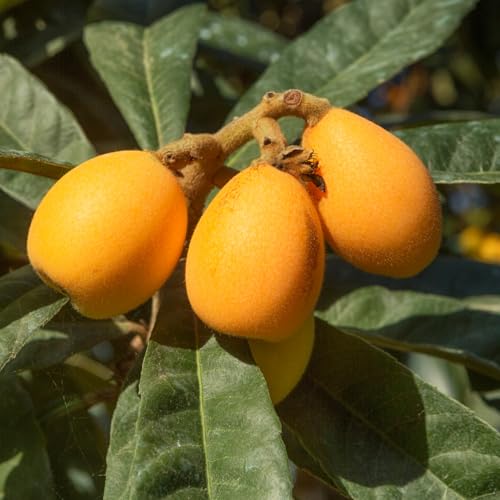
The loquat tree produces sweet, golden orange fruits, with fruit ripening in late winter to early spring

Apple Trees
Apple trees prefer around four to six hours of direct sunlight each day. Varieties like ‘Liberty’ and ‘Gravenstein’ adapt well to partial shade. They produce flavorful fruits despite less sunlight. For best growth, ensure soil is well-draining and enriched with organic matter. Regular pruning encourages airflow and light penetration, which supports healthy fruit production.
Pear Trees
Pear trees flourish in similar conditions, requiring four to six hours of sunlight. Varieties such as ‘Bartlett’ and ‘Bosc’ perform well in partial shade. These trees yield sweet and juicy fruits. Plant them in nutrient-rich soil, and maintain consistent moisture without waterlogging. Pruning is vital to remove dead branches and improve tree structure.
Cherry Trees
Sour cherry trees, particularly ‘Montmorency,’ excel in partial shade. These trees need around six hours of sunlight to produce abundant fruit. They’re hardier than sweet cherry varieties and adapt well to various conditions. Ensure soil quality remains optimal by adding compost. Regularly check for pests and diseases to maintain tree health and fruit quality.
Tips for Successful Cultivation
Cultivating fruit trees in partial shade requires specific techniques and management practices. Implement the following strategies for healthier trees and better fruit production.
Recommended Products

Protect your oasis with 3 garden products in 1 from Captain Jack’s; Captain Jack’s Ready-to-Use Neem Oil spray for plants is a multi-purpose fungicide, insecticide and miticide for your lawn and garden

Protect your oasis with Captain Jack’s Neem Max Ready-to-Use Spray; this multipurpose product acts as a 4-in-1 insecticide, fungicide, miticide and nematicide

100% Pure Neem Oil Extract - Plantonix Neem Bliss is pure, unrefined neem oil that’s been freshly extracted from the seeds of the neem tree. Every bottle is produced with zero additives or synthetic ingredients, ensuring a highly concentrated and effective neem herbal supplement with a huge range of benefits.
Pruning Techniques
Pruning promotes healthy growth and improves light penetration. Follow these steps for successful pruning:
- Remove Dead or Diseased Wood: Inspect trees annually. Cut away any branches that show signs of decay or disease.
- Thin Crowded Branches: Identify overcrowded areas. Remove branches that cross or rub against each other to promote air flow.
- Shape Your Tree: Aim for an open center if space allows. This encourages light access and makes maintenance easier.
- Cut at the Right Time: Prune during dormant season, typically late winter or early spring before new growth starts. This minimizes stress on the tree.
Pest and Disease Management
Managing pests and diseases is essential for healthy fruit production. Consider these practices:
- Monitor Regularly: Check your trees weekly for signs of pests or diseases, such as discolored leaves or unusual growths.
- Employ Natural Predators: Introduce beneficial insects like ladybugs or lacewings. These help control harmful pests naturally.
- Use Organic Pesticides: If needed, apply organic options like neem oil or insecticidal soap. These are less harmful to beneficial insects and the environment.
- Practice Crop Rotation: Change planting locations each season to disrupt pest life cycles. This reduces the chance of infestations.
By applying these cultivation tips, you can successfully grow fruit trees in partial shade and enjoy the fruits of your labor.
Conclusion
Growing fruit trees in partial shade can be a delightful challenge that rewards you with fresh produce. By selecting the right varieties and following some simple planting and care tips you can create a thriving oasis even in less-than-ideal sunlight.
Don’t forget to keep an eye on soil quality and moisture levels to ensure your trees stay healthy and productive. With a little patience and attention your shady backyard can become a fruitful haven. Enjoy the journey of nurturing your trees and savoring the delicious fruits they produce. Happy gardening!
Frequently Asked Questions
Can I grow fruit trees in a shady backyard?
Yes, you can grow fruit trees in a shady backyard. Certain varieties, like apple trees (Liberty, Gravenstein), sour cherries (Montmorency), and pawpaw, thrive with limited sunlight, needing only four to six hours of direct sun each day.
What fruit trees are best for partial shade?
The best fruit trees for partial shade include apple trees (Liberty and Gravenstein), sour cherry trees (Montmorency), European plum trees (Stanley), pawpaw trees, and fig trees (Brown Turkey). These varieties are more adaptable to lower light conditions.
How much sunlight do fruit trees need?
Most fruit trees require at least four to six hours of direct sunlight daily to thrive. Adequate light is essential for healthy growth and fruit production, especially for trees planted in partial shade.
What type of soil is best for fruit trees?
Fruit trees prefer well-draining soil that is rich in organic matter. Aim for a soil pH between 6.0 and 6.8. Enriching the soil with compost will help support healthy tree growth.
How often should I water fruit trees?
Water fruit trees deeply but infrequently to promote strong root development. Avoid waterlogging. Regularly check the soil moisture and aim for consistent moisture levels, especially during dry periods.
What is the best planting location for fruit trees?
Choose a planting location that receives morning sunlight for optimal growth. This helps prevent disease, as the morning sun dries dew quickly, and provides necessary light for fruit production.
How can I manage pests and diseases in fruit trees?
Regularly monitor your trees for pests and diseases. Use organic pesticides or introduce natural predators, and practice crop rotation to disrupt pest life cycles. Healthy practices and early detection are key.
When should I prune fruit trees?
Prune fruit trees during their dormant season to enhance growth and fruit production. Remove dead or diseased wood, thin crowded branches for better light access, and shape the tree as needed.
