

Key Takeaways
- Nectarine trees are self-pollinating but benefit from having pollinators like bees nearby.
- Bees are primary pollinators that help transfer pollen between flowers, enhancing fertilization and fruit set.
- Planting a variety of nectarine, peach, or plum trees nearby can improve cross-pollination and fruit production.
- Consider the bloom time of different nectarine varieties and plant staggered bloom time trees for efficient pollination.
- Creating a pollinator-friendly environment by avoiding pesticides, providing water sources, and diversifying flowering plants can boost pollination success.
- Factors that impact pollination include proximity to pollinators, weather conditions, tree variety selection, flowering plant diversity, and proper orchard management practices.
Overview of Nectarine Trees
If you’re considering planting a nectarine tree, understanding its pollination requirements is crucial for ensuring successful fruit production. Nectarines are self-pollinating, meaning they do not necessarily require another tree for pollination. However, having a pollinator nearby can enhance fruit yield and quality.
Nectarine trees belong to the same genetic group as peaches, known as Prunus persica. These trees produce attractive, vibrant blossoms that attract bees and other pollinators. The transfer of pollen from the male parts (anthers) to the female parts (stigma) of the flower is essential for fruit development.
In most cases, bees are the primary pollinators of nectarine trees. Their activity helps in moving pollen between flowers, promoting fertilization. While nectarine trees have self-fertile flowers, the presence of bees can increase cross-pollination, leading to more robust fruit set.
Having other nectarine, peach, or even plum trees in the vicinity can further enhance pollination. This diversity can attract a wider range of pollinators and increase the chances of successful fertilization. Additionally, planting flowering plants nearby can attract pollinators, creating a conducive environment for fruit production.
To maximize fruit yield, consider the bloom time of different nectarine varieties when planning your orchard. Planting varieties with staggered bloom times can ensure a more extended period of flower availability for pollinators, improving pollination efficiency.
While a nectarine tree can self-pollinate, having pollinators like bees and other fruit trees nearby can significantly benefit fruit production. Understanding the pollination needs of nectarine trees and creating a pollinator-friendly environment can enhance the overall health and yield of your nectarine orchard.
Importance of Pollination for Fruit Trees
Understanding the importance of pollination for fruit trees, including nectarine trees, is crucial for successful fruit production. While nectarine trees are self-pollinating to some extent, having pollinators like bees nearby significantly benefits fruit yield and quality.
Pollination Basics
Pollination is the process of transferring pollen from the male part of a flower to the female part, leading to fertilization and fruit development. Bees are efficient pollinators that visit flowers in search of nectar and inadvertently transfer pollen between flowers as they move, promoting fertilization.
Increased Fruit Yield
When nectarine trees receive proper pollination, there is a higher chance of each flower being fertilized, leading to the development of more fruits. Adequate pollination can result in larger fruit size, uniform shape, and increased overall yield.
Enhanced Fruit Quality
Improved pollination can also enhance the quality of nectarines. Proper fertilization leads to fruits with better flavor, texture, and nutritional content. Well-pollinated nectarines are less likely to have deformities or issues, resulting in a more desirable harvest.
Attracting Pollinators
To ensure effective pollination, consider planting other trees that bloom around the same time as nectarine trees, such as peach or plum trees. Additionally, incorporating a variety of flowering plants in your garden can attract a diverse range of pollinators, further increasing pollination efficiency.
Creating a Pollinator-Friendly Environment
To maximize fruit yield and overall health of nectarine orchards, focus on creating a pollinator-friendly environment by avoiding the use of pesticides harmful to bees, providing water sources for pollinators, and maintaining a diverse landscape with blooming plants throughout the growing season.
By understanding and promoting the importance of pollination for nectarine trees, you can significantly improve fruit production and quality in your orchard. Embracing the role of pollinators like bees is key to reaping the benefits of a bountiful harvest of delicious nectarines.
Recommended Products

【Efficient Pollination】: This electric flower pollinator is suitable for indoor and outdoor plants, lightweight and compact, and effective pollination

Bee-Friendly Hydration Station: Package inlcudes: 10 * floating bee island. This floating bee island provides a safe, dry landing area for bees and other pollinators to rest and hydrate in bird baths, ponds, or shallow water features.
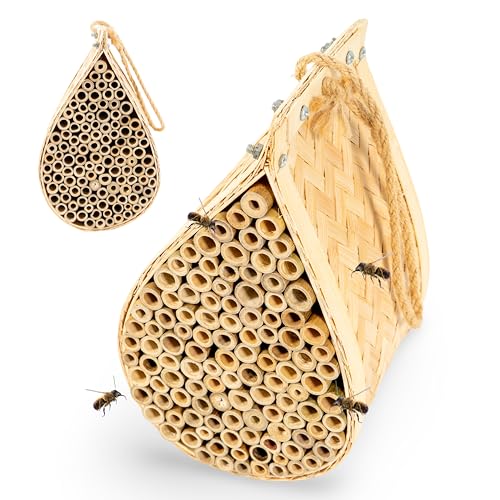
SUPPORT GARDEN POLLINATION: Attract and house native pollinators like mason bees and leafcutter bees to boost fruit, flower, and vegetable growth naturally—no chemicals needed!
Factors Affecting Pollination in Nectarine Trees
Understanding the factors that impact pollination in nectarine trees is crucial for optimizing fruit production. While nectarine trees are self-pollinating, enhancing pollination through various means can significantly improve fruit yield and quality.
Proximity to Pollinators
Ensuring that pollinators like bees are nearby can boost pollination efficiency in nectarine trees. Bees play a vital role in the pollination process by transferring pollen, leading to better fertilization and fruit development.
Weather Conditions
Weather can influence pollination success in nectarine trees. Favorable weather, such as sunny days with mild temperatures during bloom time, promotes pollinator activity and enhances the chances of successful fertilization.
Tree Variety Selection
Planting other trees like peach or plum trees close to nectarine trees can encourage cross-pollination, which can increase fruit yield and improve fruit quality. Having a diverse orchard with compatible tree varieties is beneficial for overall pollination success.
Flowering Plant Diversity
Incorporating a variety of flowering plants around nectarine trees can attract more pollinators to the orchard. Different flower shapes, colors, and scents can appeal to a wide range of pollinator species, enhancing pollination rates.
Orchard Management Practices
Creating a pollinator-friendly environment in the orchard is essential for maximizing pollination in nectarine trees. Avoiding the use of harmful pesticides, providing water sources for pollinators, and maintaining a diverse landscape can support healthy pollinator populations.
Conclusion
Optimizing pollination in nectarine trees involves considering various factors that influence the pollination process. By enhancing pollinator presence, understanding the impact of weather conditions, selecting appropriate tree varieties, diversifying flowering plants, and implementing proper orchard management practices, you can improve fruit yield, fruit size, and fruit quality in your nectarine orchard.
Methods to Ensure Effective Pollination
To ensure successful pollination in your nectarine orchard, you can take specific actions that will enhance fruit production. By following these methods, you can optimize the pollination process and improve the yield and quality of your nectarines.
Enhance Pollinator Presence
- Plant Attractant Flowers:
- Introduce flowering plants that attract pollinators like bees and butterflies to your orchard. Examples include lavender, sunflowers, and coneflowers.
- Avoid Pesticides Harmful to Pollinators:
- Opt for natural or organic pest control methods to protect pollinators in your orchard. This ensures that these vital insects can perform their pollination duties without harm.
Understand Weather Impacts
- Monitor Weather Conditions:
- Stay informed about weather forecasts, especially during the flowering period of your nectarine trees. Be aware of any extreme conditions like frost or heavy rain that can impact pollination.
- Utilize Windbreaks:
- Plant windbreaks like hedges or trees to shield your orchard from strong winds that can disrupt pollination by blowing pollen away.
Select Appropriate Tree Varieties
- Choose Compatible Varieties:
- Plant nectarine tree varieties that bloom around the same time to ensure cross-pollination if needed. Examples are “Arctic Star” and “Red Gold.”
- Consider Self-Pollinating Varieties:
- Opt for self-pollinating nectarine tree varieties to eliminate the need for external pollinators if cross-pollination is a concern. Examples include “Fantasia” and “Almond.”
Diversify Flowering Plants
- Plant Multiple Species:
- Increase pollinator diversity by planting a variety of flowering plants that bloom at different times. This provides a continuous food source for pollinators throughout the growing season.
- Use Native Plants:
- Incorporate native flowering plants into your orchard landscape as they are well-suited for local pollinators and support the ecosystem effectively.
- Prune Trees Effectively:
- Regularly prune your nectarine trees to promote healthy growth and improve flower production, aiding in the pollination process.
- Provide Water Sources:
- Ensure that pollinators have access to water
Conclusion
Ensuring proper pollination in your nectarine orchard is key to maximizing fruit production. By implementing strategies like attracting pollinators with flowers and maintaining a pollinator-friendly environment, you can enhance the pollination process. Factors such as weather conditions, tree selection, and orchard management play crucial roles in achieving optimal fruit yield and quality. Remember to monitor weather patterns, diversify plant species, and provide the necessary resources for your trees to thrive. With the right approach, you can enjoy a bountiful harvest of delicious nectarines from your well-pollinated trees.
Frequently Asked Questions
Why is pollination important for nectarine trees?
Pollination is crucial for nectarine trees as it is necessary for fruit production. Without pollination, the trees won’t bear fruit.
How can I enhance pollination in my nectarine orchard?
Enhance pollination by planting attractant flowers, avoiding harmful pesticides, understanding weather impacts, selecting appropriate tree varieties, and diversifying flowering plants.
What orchard management practices can optimize pollination?
Implement proper orchard management practices like monitoring weather conditions, utilizing windbreaks, choosing compatible tree varieties, diversifying flowering plants, pruning trees effectively, and providing water sources to enhance pollination.
How can I improve fruit yield, size, and quality in my nectarine orchard?
To improve fruit yield, size, and quality, focus on enhancing pollination through the various methods mentioned above.
