

Do you often find yourself struggling to keep your raspberries fresh for more than a day? Picture this: You come home with a punnet of plump, juicy raspberries, only to discover they’ve turned mushy and moldy the next morning. Fret not, as we’re here to share some simple yet effective tips on how to store your raspberries properly.
By learning the best practices for storing raspberries, you’ll be able to extend their shelf life and enjoy these delicate fruits for longer. In this article, we’ll guide you through the process of preserving raspberries so that you can savor their sweetness in various dishes or simply as a healthy snack. Let’s dive into the world of raspberry storage and ensure that each berry stays fresh and flavorful for days to come.
Key Takeaways
- Fresh raspberries should be plump, firm, brightly colored, and have a sweet fragrance.
- Factors like moisture, ventilation, and high temperatures can affect raspberry quality.
- Before storing raspberries, rinse them gently under cold water and pat them dry thoroughly.
- Consider pre-storage treatments like vinegar wash or the dry pack method to extend shelf life.
- Store raspberries in the refrigerator in a shallow container lined with paper towels to absorb excess moisture.
- Frozen raspberries can last up to 10-12 months if stored properly in an airtight container.
Understanding Raspberry Freshness
Raspberries are delicate fruits that require proper handling to maintain their freshness. Here’s what you need to know about ensuring your raspberries stay fresh and flavorful.
Signs of Fresh Raspberries
Identifying fresh raspberries is crucial to enjoying them at their best. Look for berries that are plump, firm, and brightly colored. Fresh raspberries should have a uniform shape without any mushy spots or discoloration. Additionally, a sweet fragrance is a good indicator of ripe and fresh raspberries.
What Deteriorates Raspberry Quality
Several factors can contribute to the deterioration of raspberry quality. Exposure to moisture can lead to mold growth, while improper ventilation may cause the berries to spoil quickly. High temperatures can accelerate the ripening process and result in mushy raspberries. To maintain optimal quality, store your raspberries in a breathable container in the refrigerator and avoid washing them until ready to eat.
Remember, by being mindful of these signs and factors affecting raspberry freshness, you can ensure that your berries last longer and retain their delicious taste.
Preparing Raspberries for Storage
When it comes to storing raspberries, proper preparation is key to ensuring they stay fresh longer. Here are some essential steps to follow before storing your raspberries:
Recommended Products

5 packs : You will get 5 fridge storage containers with colander size from 300 ml to 4200 ml [10 oz - 148 oz ]. Suited for Most fruits, vegetables, berries, meats.

Keep Berries Fresher, Longer: The ventilated, removable inner basket promotes optimal air circulation for freshness – extending the time for delicious snacking and reducing food waste

Airtight Seal Technology – Hinged lid with silicone gasket creates an airtight seal to keep flour, sugar, rice, and other dry goods fresh longer while preventing moisture and pests
Cleaning and Drying Techniques
Before storing your raspberries, gently rinse them under cold running water in a colander. Avoid soaking them as this can lead to faster spoilage. After rinsing, spread the raspberries on a paper towel-lined tray and pat them dry with another paper towel. Make sure they are completely dry before moving on to the next step.
Pre-Storage Treatments to Extend Shelf Life
To extend the shelf life of your raspberries, consider these pre-storage treatments:
- Vinegar Wash: Create a mixture of one part white vinegar and three parts water. Gently wash the raspberries in this solution to help prevent mold growth.
- Dry Pack Method: Place a paper towel at the bottom of an airtight container then add a single layer of raspberries on top. Continue layering with paper towels between each layer of berries to absorb excess moisture.
Storage Methods for Raspberries
When it comes to storing raspberries, following proper methods is essential to maintain their freshness and flavor. Let’s explore some effective storage techniques to help you make the most of your delicious berries.
Recommended Products

[High Quality Material]: Paper towel holder under cabinet made of high-quality stainless steel with a pink finish. Strong and not easily deformed, Waterproof, Rustproof and corrosion-resistant, and built to last. It has good load-bearing and stickiness, and it is not easy to fall off.

【Study Weighted Base With Non-Slip Pad】: This pink kitchen accessories for countertop is a weighted base design to make sure that paper towel holder won't shake when you tearing the paper. Non-slip EV pad at the bottom, which can prevent the tissue holder from sliding and also avoid scratching the countertop.

Material: The paper towel holder is made of waterproof SUS304 stainless steel, waterproof, rust-proof and scratch-proof, anti-oxidation, smooth surface and L-style designs makes it easy to replace the new paper roll, and easy to clean.
Refrigeration Best Practices
To keep your raspberries fresh in the refrigerator, follow these simple steps:
- Do: Place the raspberries in a shallow container lined with paper towels to absorb excess moisture.
- Avoid: Storing them in airtight containers as this can promote mold growth.
- Tip: Check for any spoiled berries regularly and remove them to prevent spoilage of others.
Freezing Techniques
Freezing raspberries is a great way to preserve them for later use. Here’s how you can freeze raspberries properly:
- Spread: Arrange the raspberries in a single layer on a baking sheet.
- Freeze: Place the baking sheet in the freezer until the berries are frozen solid.
- Transfer: Once frozen, transfer the berries to an airtight container or freezer bag for long-term storage.
Using Airtight Containers
When opting for airtight containers to store your raspberries, remember these key points:
- Select: Choose containers that are just big enough to hold the berries without squishing them.
- Store: Keep the sealed container in the refrigerator and consume within a few days for optimal freshness.
- Note: Wash and dry the berries only when you’re ready to eat or use them.
By following these storage methods diligently, you can ensure that your raspberries stay fresh, flavorful, and ready-to-eat whenever you crave their sweet taste.
Tips to Maximize Raspberry Shelf Life
When it comes to maximizing the shelf life of your raspberries, there are a few key factors to consider. By following these tips, you can ensure that your raspberries stay fresh and delicious for as long as possible.
Recommended Products
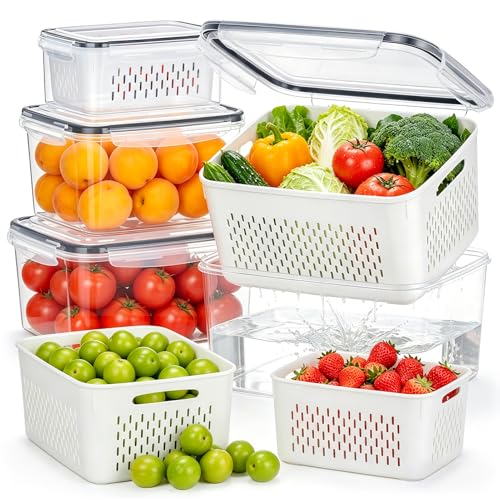
4 PACK FRUIT CONTAINERS FOR FRIDGE: Fruit storage containers for fridge includes include 4 pack of large size 3.4QT + medium size 1.8QT + small size 0.9QT + mini size 0.4QT. Various capacities perfect for most fruit, vegetable, salad, lettuce, bacon, berry, strawberry, cereal, meat, produce and other food storage
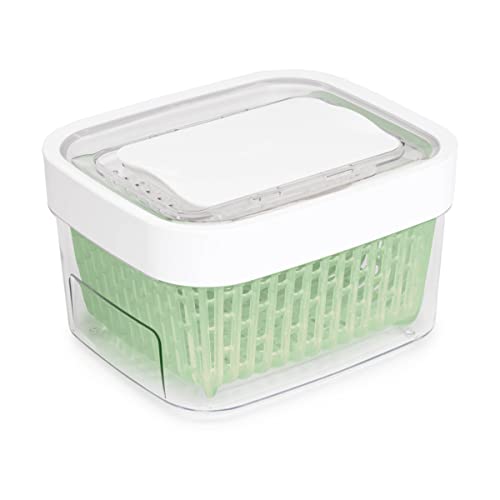
Reduce food waste with an all-in-one system to extend the life of produce

Organized Storage – 2-Pack Design, These strawberry containers for fridge come in a 2-pack, with removable mesh screens to easily store and organize fruits and vegetables, ensuring they stay fresh and dry for longer
Temperature and Humidity Control
To extend the shelf life of your raspberries, it’s crucial to control the temperature and humidity levels in which they are stored. Raspberries are sensitive fruits and require specific conditions to maintain their freshness.
- Keep your raspberries refrigerated at around 32-34°F (0-1°C). Storing them at this temperature slows down the ripening process and helps prevent mold growth.
- Maintain a relative humidity level of 90-95% in the refrigerator. This high humidity mimics the natural environment where raspberries thrive, keeping them plump and juicy.
- Avoid storing raspberries near ethylene-producing fruits like apples or bananas, as ethylene can accelerate ripening and spoilage.
When to Consume Raspberries After Storage
After properly storing your raspberries, it’s essential to know when they are at their best for consumption. Enjoying raspberries at their peak ensures optimal flavor and texture.
- Consume freshly stored raspberries within 3-5 days for the best taste and quality.
- If you’ve frozen your raspberries, they can last up to 10-12 months without significant loss of quality if kept in an airtight container.
- Check for any signs of spoilage such as mold growth, discoloration, or off smells before consuming stored raspberries.
By controlling temperature and humidity levels while being mindful of consumption timelines after storage, you can maximize the shelf life of your beloved raspberries.
Conclusion
Now that you have learned the ins and outs of storing raspberries to maintain their freshness and extend their shelf life, you are equipped with valuable tips for keeping your berries at their best. Remember to store them in a breathable container in the fridge, refrain from washing until ready to eat, and check for spoilage regularly. By following these simple guidelines, you can enjoy delicious raspberries for longer periods either fresh or frozen. With proper handling techniques and storage methods, you can savor the flavor of raspberries while maximizing their longevity. So go ahead, apply what you’ve learned, and relish those vibrant red berries in various culinary delights!
Frequently Asked Questions
How should raspberries be stored to extend their shelf life?
Raspberries should be stored in a breathable container in the refrigerator and only washed right before eating.
What are the recommended cleaning and drying techniques for raspberries?
Clean raspberries by rinsing them under cold water and patting them dry. Consider using a vinegar wash or the dry pack method to prevent mold growth.
What are effective storage methods for raspberries in the refrigerator?
Place raspberries on paper towels in a shallow container, avoid airtight containers, and regularly check for spoiled berries.
How can raspberries be frozen for long-term storage?
Spread raspberries on a baking sheet, then transfer them to airtight containers. Store these containers in the freezer for up to 10-12 months.
What is the ideal temperature and humidity level for storing raspberries?
Refrigerate raspberries at 32-34°F (0-1°C) with a humidity level of 90-95%, while keeping them away from ethylene-producing fruits.
