

Have you ever wondered when mango trees finally reward your patience with their sweet, juicy fruit? If you’re dreaming of biting into a ripe mango, knowing the right time to expect those golden treasures can make all the difference.
Key Takeaways
- Optimal Growing Conditions: Mango trees thrive in warm climates with temperatures between 77°F and 95°F (25°C to 35°C) and require full sunlight for healthy fruit production.
- Fruiting Timeframes: Most mango varieties bloom in spring, with harvests varying by region; tropical areas typically produce ripe mangoes from April to August, while subtropical zones may see fruiting from June to July.
- Varietal Differences: Different mango varieties have unique flowering and harvesting months, such as the ‘Haden’ variety flowering January to March and maturing by July, while ‘Kent’ flowers from February to April, with harvests extending into August.
- Essential Care Practices: Regular watering, balanced fertilization in spring, and annual pruning are crucial for ensuring a bountiful mango harvest.
- Pollination Factors: Adequate temperatures, direct sunlight, moderate humidity, and light wind are vital for proper mango pollination, influencing fruit quality and yield.
- Harvesting Techniques: Monitor color and texture for ripeness, use proper cutting techniques to avoid damage during harvest, and store mangoes in cool, dry conditions to maintain freshness.
Understanding Mango Trees
Mango trees thrive in warm climates, typically enjoying temperatures between 77°F and 95°F (25°C and 35°C). These trees grow tall, reaching heights of up to 100 feet (30 meters) in favorable conditions. They flourish best in well-draining soil rich in organic matter.
Mango trees need full sunlight to produce healthy fruit. Without adequate light, they may not bear fruit or produce smaller, less flavorful mangoes. Most mango varieties flower in spring, with blooming seasons varying by region.
The flowering period usually occurs between January and March, depending on your geographical location. After flowering, fruit can take anywhere from 3 to 6 months to mature. In tropical regions, you can expect ripe mangoes as early as April, while in subtropical areas, the harvest may extend through August.
Here’s a quick overview of common mango varieties and their fruiting times:
| Mango Variety | Flowering Months | Harvest Months |
|---|---|---|
| Haden | January – March | April – July |
| Tommy Atkins | February – April | June – August |
| Kent | March – May | July – September |
| Alphonso | February – March | April – June |
To ensure a good harvest, consider these tips:
- Water Regularly: Young mango trees need consistent moisture. Water deeply, especially during dry spells.
- Fertilize Wisely: Use a balanced fertilizer during spring to encourage growth and fruit set.
- Prune Annually: Remove dead or diseased branches to promote airflow and light access.
You can increase the chances of a fruitful season by paying close attention to these factors. Understanding when mango trees bear fruit enhances your anticipation and enjoyment of this delightful fruit.
Factors Influencing Fruit Bearing
Several factors influence when mango trees bear fruit. Understanding these will help you anticipate your harvest and plan accordingly.
Climate Considerations
Climate plays a crucial role in mango fruit production. Mango trees thrive in warm climates with ample sunlight. Ideal temperatures range from 77°F to 95°F (25°C to 35°C). If the temperature drops below 50°F (10°C), flowering may be delayed. Additionally, mango trees need at least 6 hours of direct sunlight daily to produce healthy fruit. Regions with moderate humidity help promote flowering and fruit set. For example, areas in India and Florida often see abundant mango crops due to their suitable climate conditions.
Varietal Differences
Different mango varieties bear fruit in distinct timeframes. Some varieties bloom early in the season, while others take longer. For instance, the ‘Haden’ variety generally flowers from January to March, maturing in July. In contrast, ‘Kent’ mangos flower from February to April, with harvests in August and September. Familiarizing yourself with local varieties ensures you know when to expect your mangoes and helps tailor care to each type’s needs. Consider planting multiple varieties to extend your mango harvest window.
Typical Fruiting Months
Mango trees typically bear fruit during the warm months of the year. Knowing the fruiting patterns can help you plan your harvest and enjoy the delicious mangoes.
General Trends in Different Regions
Mango fruiting months vary by region due to climate conditions. In tropical areas, fruiting usually starts between April and August. For example, in India, mangoes commonly ripen from May to June. In subtropical zones, like Florida, fruiting might occur from June to July. Variability depends on local temperatures and rainfall patterns, affecting flowering and growth cycles.
Specific Mango Varieties and Their Bearing Months
Different mango varieties have unique fruiting timelines. Here are some common types:
| Mango Variety | Fruiting Months |
|---|---|
| Haden | April to June |
| Tommy Atkins | June to August |
| Kent | July to September |
| Alphonso | May to August |
| Palmer | June to August |
These varieties flourish at different times, so selecting a mix can extend your mango harvest. Understanding these specifics allows you to plant the right types for your region and maximize your enjoyment of fresh mangoes.
Tips for Growing Mango Trees
Mango trees thrive in specific conditions. Knowing how to care for them ensures a bountiful harvest.
Recommended Products

Grow your own apple, a tree of legend that has been cherished and cultivated for thousands of years by people of many cultures from every corner of the world
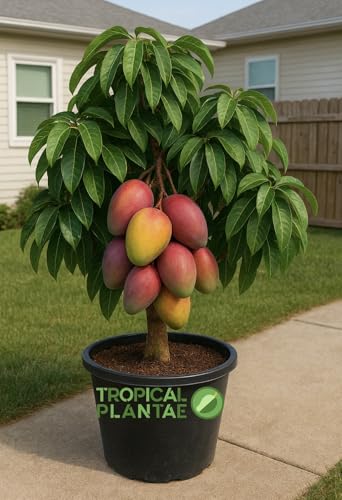
Imagine stepping into your backyard a few months from now and seeing a beautiful grafted Haden mango tree, growing stronger every day — a tree that will soon reward you with one of the most classic, flavorful mangoes ever grown.

Grow your own bonsai tree from seed!
Ideal Conditions for Pollination
Mango trees require specific conditions for effective pollination.
- Temperature: Maintain temperatures between 77°F and 95°F (25°C and 35°C). These temperatures support healthy flowering.
- Sunlight: Ensure your trees receive at least 6 hours of direct sunlight daily. Sunlight is crucial for fruit development.
- Humidity: Moderate humidity levels foster pollination. Regions with around 60% humidity are ideal.
- Wind: Light breezes aid in pollination. Avoid planting your trees in overly sheltered spots where wind exposure is minimal.
Best Practices for Harvesting
Timing affects the quality of your mangoes at harvest.
- Color Check: Monitor the color of the mangoes. Ripe mangoes often transition to a vibrant hue.
- Touch Test: Gently squeeze the mango. A slight give indicates ripeness.
- Harvesting Technique: Use a sharp knife or pruning shears. Cut the stem rather than pulling the fruit, preventing damage.
- Storage: Store harvested mangoes in a cool, dry place. This extends freshness.
- Timing: Harvest mangoes in the early morning or late evening. This prevents heat stress on the fruit.
By following these tips, you can cultivate healthy mango trees and enjoy a delicious harvest.
Conclusion
Getting to know when mango trees bear fruit can truly elevate your enjoyment of this delicious treat. By understanding the flowering and fruiting patterns of different varieties you can better plan for that sweet mango season.
Whether you’re in a tropical or subtropical climate there’s a variety that’ll fit your garden and palate. With the right care and attention your mango trees can thrive and provide you with a bountiful harvest.
So get ready to savor those juicy mangoes and make the most of your growing experience. Happy gardening and enjoy the fruits of your labor!
Frequently Asked Questions
When do mango trees produce fruit?
Mango trees typically bear fruit during the warm months. In tropical regions, fruiting starts between April and August, while subtropical areas like Florida usually see fruiting from June to July. The specific timeline can vary based on the variety and local climate conditions.
How long does it take for mangoes to ripen after flowering?
After a mango tree flowers, it takes about 3 to 6 months for the fruit to mature. This ripening period can differ depending on the mango variety and the climate in which the tree is grown.
What are the ideal conditions for mango trees?
Mango trees thrive in warm climates with temperatures between 77°F and 95°F (25°C and 35°C). They require full sunlight, needing at least 6 hours of direct sunlight each day, and moderate humidity around 60% for optimal growth and fruit production.
What are common mango varieties and their harvest times?
Common mango varieties include Haden, Tommy Atkins, Kent, Alphonso, and Palmer. Each variety has a unique flowering and harvest timeline, encouraging growers to plant multiple types to extend the harvest season throughout the warmer months.
How can I ensure a good mango harvest?
To ensure a good mango harvest, provide regular watering, appropriate fertilization, and annual pruning. Monitoring the tree’s health and maintaining ideal growing conditions, such as temperature and sunlight, are also crucial for maximizing fruit production.
What should I look for to determine when mangoes are ripe?
Check the color, texture, and aroma of the mangoes. Ripe mangoes will change color, feel slightly soft to the touch, and emit a sweet fragrance. It’s important to harvest them at the right time to enjoy their full flavor.
Can mango trees grow in cooler climates?
Mango trees prefer warmer climates and can be affected by temperatures below 50°F (10°C), which can delay flowering. While they can survive in cooler areas, their fruit production may be significantly impacted.
What is the best way to store harvested mangoes?
Store harvested mangoes in a cool, dry place to extend their freshness. Avoid refrigeration until they are fully ripe; once ripe, they can be placed in the fridge for a few days to prolong shelf life.
