

Have you ever wondered which fruit trees thrive in Indiana’s unique climate? If you’re looking to start your own orchard or just add some greenery to your yard, knowing the right trees to plant can make all the difference.
Key Takeaways
- Suitable Fruit Trees: Apple, pear, cherry, peach, and plum trees are among the best options for Indiana’s climate, thriving in USDA zones 5 and 6.
- Soil and Sunlight: These trees prefer well-drained, loamy soil and require full sunlight for optimal growth, ideally six hours a day.
- Pollination Essentials: Planting multiple varieties will enhance pollination and increase fruit yields, especially for pear and cherry trees.
- Pruning and Maintenance: Regular pruning in late winter promotes healthy growth and better fruit production. Utilize sharp, clean tools for effective results.
- Pest Management: Implement integrated pest management by monitoring for pests, using preventive measures, and attracting beneficial insects to maintain tree health.
- Consult Local Resources: Engage with local extension services for tailored advice on tree selection and care practices specific to Indiana’s conditions.
Overview Of Fruit Trees In Indiana
Indiana’s climate provides ideal conditions for a variety of fruit trees. The state features a temperate climate with distinct seasons, allowing you to cultivate many species of fruit-bearing trees. Here’s a look at some popular fruit trees that thrive in Indiana.
Apple Trees
Apple trees flourish throughout Indiana. Varieties like Honeycrisp and Fuji adapt well to local conditions. Plant in areas with full sun and well-drained soil for the best results. Regular pruning encourages healthy growth and fruit production.
Pear Trees
Pear trees also succeed in Indiana. Varieties such as Bartlett and Bosc perform well in this climate. These trees prefer full sunlight and should be planted in fertile, well-drained soil. Expect fruit in three to six years after planting.
Cherry Trees
Cherry trees can add beauty and flavor to your yard. Sweet varieties like Bing and Sour varieties like Montmorency grow well in Indiana. Choose sunny spots with rich soil. Be aware that cherry trees need proper pollination for fruit set.
Peach Trees
Peach trees thrive in southern Indiana. Varieties such as Redhaven and Elberta offer excellent taste. Ensure they receive full sun and grow in well-drained soil. Regular watering during dry periods promotes healthy fruit development.
Plum Trees
Plum trees also grow well in Indiana. Varieties like Stanley are resistant to local pests and diseases. These trees prefer full sun and well-drained soil. Planting at least two varieties encourages cross-pollination and better yields.
Nut Trees
Nut trees like black walnuts and pecans are suitable for Indiana as well. These trees take longer to mature but produce nuts that benefit your landscape and are a source of income. Full sun and well-drained soil support their growth.
- Select disease-resistant varieties to reduce maintenance.
- Ensure adequate spacing between trees for access and airflow.
- Regularly check for pests or diseases to keep trees healthy.
- Consider local extension services for regional advice on variety selection and care.
By understanding which fruit trees thrive in Indiana and how to care for them, you can enhance your orchard or yard, creating a productive and enjoyable space.
Best Fruit Trees For Indiana
Indiana’s climate supports a variety of fruit trees. Here are some of the best options for your garden.
Recommended Products
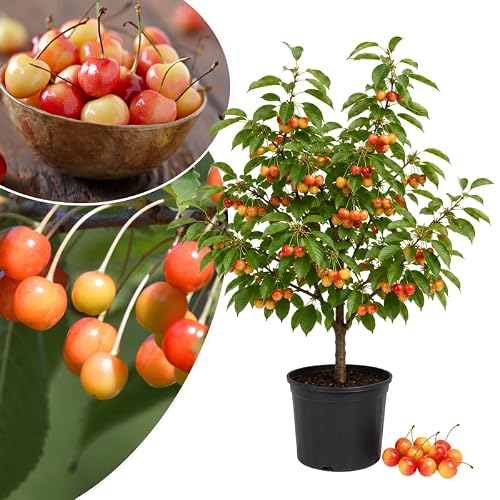
Receive random variety
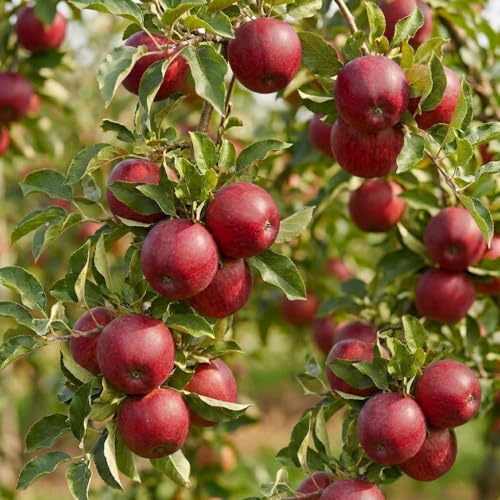
🍎 3 Live Apple Tree Saplings: Receive three healthy young apple tree saplings ready to plant and grow in your garden, backyard orchard, or container. Plants ship dormant (not leaves or fruit) in spring.

Due to agricultural laws, we are unable to ship to CA, AZ, AK, or HI - orders will be cancelled if you ship to one of these states
Apple Trees
Apple trees thrive in Indiana’s temperate climate. Consider varieties like Honeycrisp and Fuji for their crisp textures and flavors. Plant these trees in well-drained soil and ensure they receive full sunlight for at least six hours daily. Prune annually to maintain shape and improve air circulation. Also, select disease-resistant varieties to reduce maintenance and avoid common plant illnesses.
Pear Trees
Pear trees flourish in Indiana, with Bartlett and Bosc being popular choices. These trees prefer slightly acidic soil and need full sun for optimal growth. Ensure proper pollination by planting at least two varieties nearby. Regular pruning is essential for fruit quality and tree health. Watch out for pests like the pear psylla, and implement preventive measures early, such as insecticidal soaps.
Cherry Trees
Cherry trees can also grow well in Indiana, with Bing and Montmorency being standout options. They need well-drained, loamy soil and enjoy full sun. Montmorency is particularly known for its tart flavor, great for pies and preserves. Both varieties require good airflow to minimize disease risk, so space them properly. Be vigilant for fruit flies and other pests, and consider netting to protect your harvest.
Choosing The Right Fruit Tree
Selecting the right fruit tree for your Indiana garden involves understanding local conditions. Assess factors like climate and soil to ensure your tree thrives.
Recommended Products

Produces large, tropical-like fruits with a sweet, custard-like flavor


Not available in CA
Climate Considerations
Indiana’s temperate climate supports a range of fruit trees. Focus on varieties that are hardy to USDA zones 5 and 6. Temperatures can drop in winter, so choose cold-resistant trees like Honeycrisp apples and Montmorency cherries. Ensure trees receive full sunlight for at least six hours daily to promote healthy growth and fruit production.
Soil Requirements
Soil conditions play a crucial role in fruit tree health. Most fruit trees prefer well-drained, loamy soil rich in organic matter. Test your soil pH; apple and cherry trees thrive in slightly acidic soils (pH 6.0 to 6.8), while peaches prefer a pH of 6.0 to 7.0. If your soil lacks nutrients, amend it with compost or well-rotted manure to improve fertility. Proper drainage is essential; avoid planting in areas that retain water to prevent root rot.
By considering climate and soil, you can select fruit trees that grow successfully in Indiana.
Care And Maintenance
Caring for fruit trees in Indiana requires specific practices to maximize growth and fruit production. Focus on pruning and pest management techniques to keep your trees healthy and productive.
Recommended Products

PROFESSIONAL GARDENING GRAFTING TOOLS: Including 2 in 1 grafting pruning tools, 3 replaceable blades, a grafting knife, a screwdriver, a wrench, 2 grafting films, 160 rubber bands, 40 wide rubber bands, and 50 colorful tag cards

★ 1. What you get: Professional convenient grafting tool set including a dual-use grafting pruner tool contain 2 extra replaceable blades, a wrench and a screwdriver, along with 36pcs wide rubber bands, 150 thick rubber bands and 1 grafting tape, packed in a black wallet to meet all your needs

✂Multifunctional -2 in 1 Garden Grafting Tools-Professional grafting set allows you to pruning and grafting at the same time, saving more time and effort than traditional grafting methods, easy to use and more efficient. It allows you to trim away excess leaves and twigs and prepare the plants to be grafted. At the same time, you can make a precise cut into the grafting stock with the special grafting blade.
Pruning Techniques
Pruning promotes healthy growth and improves fruit production. Use the following techniques:
- Timing: Prune fruit trees in late winter or early spring when trees are dormant. Wait until the threat of severe frost is over.
- Tools: Invest in sharp, clean pruning shears, loppers, and saws. Use sterilizing solution between cuts to prevent disease.
- Removing Dead Wood: Cut out dead, damaged, or diseased branches. This encourages new growth.
- Shaping the Tree: Aim for an open-center or modified leader shape. This allows sunlight to reach all parts of the tree and improves air circulation.
- Thinning Fruit: Thin your fruit clusters to improve fruit size and quality. Leave space for air circulation between clusters.
Regularly assess your trees to determine if pruning is necessary each year.
Pest Management
Integrated pest management keeps your trees safe from harmful pests. Incorporate these steps:
- Monitoring: Regularly check trees for signs of pests like aphids, spider mites, or fruit flies. Look for unusual leaf damage or discoloration.
- Cultural Practices: Maintain tree health through proper watering and fertilization to reduce pest infestations.
- Preventive Measures: Use insecticidal soaps or neem oil to treat pests. Follow the label instructions for application rates and frequency.
- Physical Barriers: Employ nets or row covers to protect young fruits from birds and insects.
- Beneficial Insects: Attract natural predators like ladybugs and lacewings. These insects help control pest populations without chemicals.
Adopt these practices to ensure a flourishing fruit orchard throughout Indiana.
Conclusion
Growing fruit trees in Indiana can be a rewarding experience. With the right choices and care you can enjoy a bountiful harvest right from your yard. Whether you opt for apples pears or cherries each tree brings its own unique flavor and beauty to your landscape.
Remember to provide them with plenty of sunlight and well-drained soil while keeping an eye on pests. By following the tips shared you’ll be well on your way to cultivating a thriving orchard. So grab your gardening gloves and get started on this fruitful journey. Your future self will thank you for the delicious rewards!
Frequently Asked Questions
What fruit trees grow well in Indiana’s climate?
Indiana’s temperate climate supports several fruit trees, including apple trees (Honeycrisp, Fuji), pear trees (Bartlett, Bosc), cherry trees (Bing, Montmorency), peach trees (Redhaven, Elberta), and plum trees (Stanley). These trees thrive in USDA zones 5 and 6 and prefer full sun and well-drained soil.
Do I need multiple fruit trees for pollination?
Yes, many fruit trees, especially pear and apple trees, require cross-pollination for optimal fruit production. Planting different varieties nearby can enhance pollination and increase fruit yield.
How often should I prune my fruit trees?
Pruning should ideally be done in late winter or early spring. Regular pruning helps maintain tree health, encourages new growth, and removes dead or diseased branches, promoting better fruit production.
What soil conditions are best for fruit trees in Indiana?
Fruit trees prefer well-drained, loamy soil rich in organic matter. Testing the soil pH is important; apple and cherry trees thrive in slightly acidic soils, while peach trees enjoy neutral pH levels.
How can I manage pests on my fruit trees?
Effective pest management includes regular monitoring for common pests, maintaining tree health through watering and fertilization, and using preventive measures like insecticidal soaps and physical barriers, such as netting.
What are some essential care tips for growing fruit trees?
Ensure your trees receive enough sunlight, typically at least six hours a day. Regular watering, proper fertilization, timely pruning, and pest management are crucial for optimal growth and fruit production.
Can nut trees grow in Indiana?
Yes, nut trees such as black walnuts and pecans can thrive in Indiana’s climate. Ensure they are planted in suitable conditions with well-drained soil for the best results.
