

Have you ever wondered when your banana tree will finally bear fruit? If you’ve been nurturing one in your garden or dreaming of planting a few, you’re not alone. Many people are excited to see those vibrant yellow bananas hanging from their trees but often find themselves puzzled about the timing.
Key Takeaways
- Fruiting Timeline: Banana trees typically begin to bear fruit 9 to 18 months after planting, with variations depending on factors such as banana variety and care provided.
- Growth Stages: The life cycle includes stages of planting, shoot development, leaf formation, flowering, fruit development, and harvesting, each with specific timeframes.
- Optimal Conditions: Ideal growth conditions include warm temperatures (75°F to 95°F), moderate humidity (50% to 80%), and full sunlight exposure for 6 to 8 hours daily.
- Soil and Nutrients: Nutrient-rich, well-drained soil is crucial. Regular fertilization, particularly with potassium, and proper watering techniques significantly enhance fruit production.
- Variety Differences: Different banana varieties, such as Cavendish and Red Banana, have distinct fruiting timelines; researching the specific type is essential for accurate expectations.
- Care and Maintenance: Regular monitoring of environmental conditions, proper pruning, and pest management are vital for healthy banana plants and maximizing yield.
Understanding Banana Trees
Banana trees, often mistaken for traditional trees, are large herbaceous plants. These tropical plants grow quickly, reaching about 10 to 30 feet tall depending on the variety. Understanding their structure helps in anticipating fruiting.
Banana plants develop from a corm, which is an underground part that stores energy. The visible part includes a tall pseudostem made of tightly packed leaves. As the plant matures, it produces a flower cluster known as an inflorescence.
You can expect fruiting to commence 9 to 18 months after planting. This timeline depends on environmental conditions like temperature, humidity, and sunlight. For optimal results, banana trees thrive in tropical climates and require well-drained, nutrient-rich soil.
In addition to essentials like water and sunlight, proper care encourages fruit production. Fertilizer, particularly potassium, supports flower and fruit set. Regular watering prevents stress, which can delay fruiting.
It’s essential to note the difference between varieties. For example, the Cavendish banana matures slower than the red banana variety, which fruits quicker. Researching specific types will aid in setting accurate expectations for your planting timeline.
Recommended Products
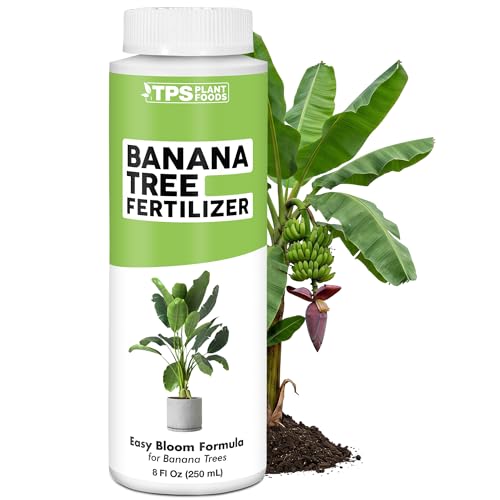
Made for Banana Trees – Specially formulated banana fertilizer designed to support the nutrient needs of banana plants.

PREMIUM FUEL LIQUID FERTILIZER: Wellspring Gardens Banana Fuel Liquid Fertilizer Concentrate provides a quality nutrient blend with minor elements that could grow your plants. Its 3-1-6 formula ratio is the ideal fertilizer ration according to University of Florida which is what our product is made of.

2X MORE VALUE: The 16 oz bottle of Banana Plant Fertilizer makes 16 gallons of banana fertilizer for fruit trees, while the bigger size 32 oz bottle makes 32 gallons for lasting care of your banana trees.
Life Cycle of Banana Trees
Banana trees undergo several clear stages in their life cycle. Understanding these stages helps you predict when your banana plants will start to bear fruit.
Stages of Growth
- Planting: You start the life cycle by planting a corm or banana pup in well-drained soil. This initial stage sets the foundation for growth.
- Shoot Development: After a few weeks, you’ll see shoots emerge from the soil. These are the first signs of life, growing rapidly.
- Leaf Formation: As the shoots grow, they develop lush green leaves. Each leaf contributes to photosynthesis, essential for energy production.
- Flowering: After about 6 to 8 months, the banana plant flowers. The flower cluster, or inflorescence, appears at the top of the plant. It’s a stunning sight that signals fruiting is near.
- Fruit Development: Once flowering occurs, fruit starts to develop within 2 to 6 months. You’ll see the bananas grow in clusters, hanging down from the flower stalk.
- Harvesting: The bananas mature and are ready for harvesting, typically between 9 to 18 months after planting.
Timeframe for Each Stage
Here’s a breakdown of the timeframe for each growth stage:
| Stage | Timeframe |
|---|---|
| Planting | Day 0 |
| Shoot Development | 2 to 4 weeks |
| Leaf Formation | 1 to 2 months |
| Flowering | 6 to 8 months |
| Fruit Development | 2 to 6 months |
| Harvesting | 9 to 18 months |
These timeframes can vary based on climate, care, and banana variety. Keeping your banana trees well-watered and nourished can help optimize growth and ensure a successful harvest.
Factors Influencing Fruit Production
Banana trees depend on several factors for healthy fruit production. Understanding these elements helps you optimize growth and maximize yield.
Recommended Products
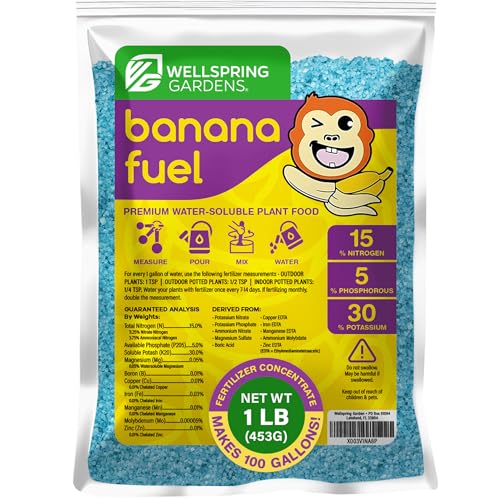
PREMIUM WATER SOLUBLE FERTILIZER: Wellspring Gardens Banana Fuel Fertilizer provides a water-soluble and high-quality nutrient blend with minor elements to promote optimal growth for your banana plants. Its premium 15-5-30 blend ensures that your banana plants are healthy and happy.

🌿 BALANCED 6-4-6 FORMULA FOR HEALTHY PLANTS: Give your plants balanced nutrition with a professional 6-4-6 NPK fertilizer formulated to support strong roots, greener foliage, healthy leaf development, flowering, and vigorous overall growth. A versatile plant food for a wide variety of indoor and outdoor plants.

Let our professionally formulated plant food help your fruit tree grow healthy, strong AND abundantly producing
Climate Conditions
Banana trees thrive in warm, tropical climates. Temperatures between 75°F and 95°F (24°C to 35°C) promote healthy growth. Humidity levels around 50% to 80% benefit the plants by preventing stress. Full sun exposure enhances photosynthesis, contributing to fruiting. If you live in cooler areas, consider using greenhouse methods or selecting cold-tolerant varieties, like the Dwarf Brazilian.
Nutrient Requirements
Nutrient-rich soil plays a significant role in fruit production. Banana trees benefit from well-drained, organic matter-rich soil. Key nutrients include nitrogen, potassium, and phosphorus. These elements support growth, flowering, and fruit development. You can enhance soil quality by adding compost or using balanced fertilizers. Regularly check nutrient levels, and amend your soil as necessary to promote robust growth.
When Do Banana Trees Fruit?
Banana trees begin fruiting 9 to 18 months after planting. This timeframe varies based on several factors: the banana variety, care provided, and environmental conditions.
Growth Stages Leading to Fruiting
- Planting: Start by planting a corm or pup in well-drained soil.
- Shoot Development: Expect shoots to develop within 2 to 4 weeks.
- Leaf Growth: Lush green leaves appear as the plant matures. These leaves are vital for photosynthesis.
- Flowering: After approximately 6 to 8 months, the plant flowers. This flowering stage indicates that fruiting is approaching.
- Fruit Development: Within 2 to 6 months after flowering, the bananas grow. Harvesting typically occurs 9 to 18 months post-planting.
Key Factors Influencing Fruiting Timeline
- Climate: Banana trees thrive best in warm, tropical environments. Ideal temperatures range from 75°F to 95°F (24°C to 35°C). Moderate humidity levels of 50% to 80% also improve growth.
- Sunlight: Full sun exposure is crucial for photosynthesis and fruit production. Ensure your banana plant receives at least 6 to 8 hours of sunlight daily.
- Soil Quality: Nutrient-rich, well-drained soil promotes healthy fruit production. Key nutrients include nitrogen, potassium, and phosphorus. Regularly amend your soil with compost or balanced fertilizers.
Common Banana Varieties and Their Fruiting Timelines
| Variety | Fruiting Time (Months) |
|---|---|
| Cavendish | 9 to 18 |
| Red Banana | 10 to 15 |
| Dwarf Brazilian | 12 to 16 |
Researching specific banana varieties is essential for accurate expectations regarding fruiting timelines.
- Watering: Keep the soil moist but avoid waterlogging. Optimal watering practices include deep watering once a week.
- Fertilizing: Use fertilizers that are high in potassium to support flower and fruit development.
- Temperature Management: For colder climates, consider using greenhouse techniques or growing cold-tolerant varieties like the Dwarf Brazilian.
By understanding these timelines and factors, you can maximize your chances of enjoying a fruitful banana harvest.
Tips for Successful Banana Cultivation
Recommended Products

Let our professionally formulated plant food help your fruit tree grow healthy, strong AND abundantly producing

🌿 BALANCED 6-4-6 FORMULA FOR HEALTHY PLANTS: Give your plants balanced nutrition with a professional 6-4-6 NPK fertilizer formulated to support strong roots, greener foliage, healthy leaf development, flowering, and vigorous overall growth. A versatile plant food for a wide variety of indoor and outdoor plants.

PREMIUM QUALITY INGREDIENTS – Cz Garden Muriate of Potash is a water soluble, high purity, premium phosphate fertilizer for all indoor/outdoor flowers, lawn, and garden vegetables.
Choose the Right Variety
Select a banana variety that suits your climate. Varieties like Cavendish thrive in warmer regions, while Dwarf Brazilian adapts well in cooler climates. Research varieties to ensure a suitable fit for your environment.
Planting Techniques
Plant banana corms or pups in nutrient-rich, well-draining soil. Ensure the planting depth is about 4 to 6 inches, allowing enough space for root development. Avoid waterlogged soil to prevent root rot.
Watering Practices
Water regularly, keeping the soil consistently moist but not soggy. During dry spells, bananas require more water. Use mulch around the base to retain moisture and regulate soil temperature.
Fertilization Schedule
Use a potassium-rich fertilizer every 4 to 6 weeks during the growing season. Incorporate compost for organic matter, enhancing soil fertility. Monitor nutrient levels, ensuring the plant receives sufficient nitrogen, phosphorus, and potassium.
Sunlight Requirements
Position banana plants in full sunlight for at least 6 to 8 hours each day. Adequate sunlight promotes strong leaf growth and improves fruit production.
Monitor Environmental Conditions
Pay attention to temperature and humidity levels. Ideal conditions range from 75°F to 95°F (24°C to 35°C) and 50% to 80% humidity. If you live in a cooler area, consider using a greenhouse for your banana plants.
Pruning Practices
Prune banana plants by removing dead or damaged leaves. This encourages healthy growth and improves airflow around the plant. Trim excess pups to support the main plant’s development.
Pest and Disease Management
Keep an eye out for pests like aphids or spider mites. Use organic insecticidal soap if needed. Regularly inspect plants for signs of disease and act quickly to manage any issues that arise.
Timing for Harvesting
Harvest bananas when they turn a full yellow with a hint of green at the ends. Check for firmness. If they feel soft, they may be overripe. Use a sharp knife to cut the bunch.
By following these tips, you can successfully cultivate bananas and enjoy a bountiful harvest. Always research specific care requirements for the variety you’ve chosen, as needs can differ.
Conclusion
Growing banana trees can be a rewarding journey filled with anticipation. By understanding the growth stages and the specific needs of your chosen variety you can set yourself up for success. Remember that patience is key as it usually takes between 9 to 18 months to see those delicious fruits.
With the right care including proper watering and nutrient management you can create an environment that encourages healthy growth. So whether you’re nurturing a Cavendish or a Dwarf Brazilian keep an eye on those climate conditions and watch your banana tree thrive. Enjoy the process and soon enough you’ll be reaping the sweet rewards of your hard work.
Frequently Asked Questions
How long does it take for banana trees to bear fruit?
Banana trees typically begin to bear fruit 9 to 18 months after planting. The exact time depends on various factors like climate, care, and the specific variety of banana.
What are banana trees classified as?
Despite being called trees, banana plants are actually large herbaceous plants. They grow from a corm and can reach heights between 10 to 30 feet, depending on the variety.
What conditions do banana trees thrive in?
Banana trees thrive in warm, tropical climates with temperatures ranging from 75°F to 95°F (24°C to 35°C) and humidity levels between 50% to 80%. They require well-drained, nutrient-rich soil and full sun exposure.
How should I care for my banana tree?
Proper care for banana trees includes consistent watering, applying potassium-rich fertilizers, and ensuring adequate sunlight. It’s important to maintain nutrient levels in the soil and monitor for pests and diseases.
What are the different banana varieties and their fruiting times?
Common banana varieties include the Cavendish, which fruits in 9 to 18 months; the red banana, which fruits in 10 to 15 months; and the Dwarf Brazilian, which typically fruits in 12 to 16 months.
What is the planting process for banana trees?
To plant a banana tree, start with a corm or banana pup in well-drained soil. Shoot development begins within 2 to 4 weeks, followed by lush leaf growth. Flowering occurs around 6 to 8 months, leading to fruiting.
How do I know when to harvest bananas?
Bananas are typically ready for harvest when they are plump and the fruit has developed a uniform color. Keep an eye on the growth stages and harvest between 9 to 18 months after planting, depending on the variety.
