

Wondering when the best time is to prune your fruit trees? You’re not alone. Many gardeners face the challenge of figuring out the right timing to keep their trees healthy and productive. Pruning at the wrong time can lead to poor growth or even damage your trees, so knowing when to take action is key.
In this article, you’ll discover the optimal seasons for pruning different types of fruit trees. You’ll learn how proper pruning can enhance fruit production and improve the overall health of your trees. Whether you’re a seasoned gardener or just starting out, understanding when to prune will help you enjoy a bountiful harvest year after year.
Key Takeaways
- Optimal Pruning Times: Winter (December to February) and summer (June to August) are the best seasons for pruning fruit trees, with each serving specific purposes for tree health and productivity.
- Benefits of Pruning: Regular pruning promotes improved air circulation, enhanced sunlight exposure, better tree shape, increased fruit production, effective disease management, and stimulation of new growth.
- Signs to Prune: Look for indicators like dense canopies, crossing branches, damaged limbs, pest infestations, and weak growth patterns to determine when your fruit trees need pruning.
- Essential Tools: Utilize pruning shears, loppers, pruning saws, pole pruners, and safety gear to ensure effective and safe pruning practices.
- Pruning Techniques: Make clean cuts just above a bud, thin crowded branches, and avoid topping to maintain a healthy tree structure and encourage vigorous growth.
- Continuous Monitoring: After pruning, monitor the tree’s growth and health to adjust your approach in future years, ensuring ongoing productivity and vitality.
Importance Of Pruning Fruit Trees
Pruning fruit trees plays a crucial role in promoting healthy growth and enhancing fruit production. Regular pruning helps remove dead or diseased branches, allowing the tree to focus its energy on healthy parts. Here are key reasons why pruning matters:
Improved Air Circulation
Improved air circulation encourages healthier foliage. By removing crowded branches, you reduce the risk of fungal diseases thriving in damp conditions. Opt for thinning cuts to maintain a balanced structure.
Enhanced Sunlight Exposure
Increased sunlight exposure fosters better fruit ripening. Prune to eliminate shaded areas that may hinder photosynthesis. This results in sweeter, more flavorful fruit, benefiting your harvest.
Better Shape and Structure
Maintaining a better shape and structure supports overall tree stability. Pruning helps develop strong scaffold branches that can support the weight of fruit. Aim for a central leader system for taller varieties to encourage upward growth.
Encouraged Fruit Production
Encouraged fruit production leads to larger yields. Regularly pruning can stimulate new growth, which results in more blossoms and fruits. Focus on pruning during the tree’s dormant season to maximize this effect.
Disease Management
Effective disease management is achieved through regular inspections and pruning. Remove any infected branches promptly, which helps prevent the spread of disease. Use clean, sterilized tools to minimize contamination.
Stimulating New Growth
Stimulating new growth occurs when you prune correctly. Cutting back overgrown branches encourages the development of fresh shoots, leading to a more vibrant tree. This fresh growth can also enhance fruit quality.
Healthy Root Development
Healthy root development springs from a balanced canopy. By pruning above, you lessen the strain on root systems. This ensures adequate resources are available to support fruiting activities.
By understanding the importance of pruning, you set your fruit trees up for success. Keeping these guidelines in mind can lead to a bountiful harvest and robust tree health.
Best Times For Pruning Fruit Trees
Pruning fruit trees at the right time increases their health and productivity. Understanding the best seasons for pruning, such as winter and summer, enables you to optimize growth and fruit yield.
Recommended Products

★ 1. What you get: Professional convenient grafting tool set including a dual-use grafting pruner tool contain 2 extra replaceable blades, a wrench and a screwdriver, along with 36pcs wide rubber bands, 150 thick rubber bands and 1 grafting tape, packed in a black wallet to meet all your needs


Package Includes: Contents 1 Manual gardening grafting cutter and 2 rolls of 2 sizes of grafting tape, meeting your needs.
Winter Pruning
Winter pruning occurs during the dormant season, typically from December to February. During this time, trees are less stressed, allowing for easier cuts and quicker healing.
- Identifying Damaged Wood: Look for broken or dead branches. Remove these first to improve tree health.
- Shaping the Tree: Focus on creating an open center to allow sunlight and air circulation. Trim back overlapping or inward-growing branches.
- Encouraging Growth: Cut back around 20-30% of the tree’s previous growth. This encourages new growth in the spring.
Summer Pruning
Summer pruning takes place from June to August, during the active growing season. This method helps control tree size and promotes fruit production.
- Managing Tree Size: Trim small branches and suckers. This helps maintain manageable tree height and form.
- Enhancing Sun Exposure: Remove excessive foliage to ensure fruit receives adequate sunlight. Aim to create a balanced structure.
- Fostering Fruit Ripening: Lightly prune to redirect energy towards fruit development instead of excess foliage. This can lead to sweeter, better-quality fruit.
Signs That It’s Time To Prune
Recognizing the right time to prune your fruit trees ensures their health and productivity. Look for these signs to determine when pruning is necessary.
Recommended Products
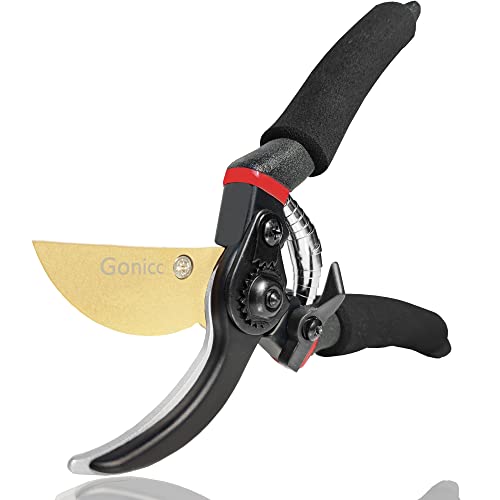
Drop-forged construction delivers exceptional durability and sturdiness for long-term heavy garden use.

Sharp & Rustproof: Our garden scissors are made of premium stainless steel material, which has corrosion resistance and good hardness. Sharp blades can quickly finish pruning tasks for gardens, vegetable gardens, orchards, and indoor plants

CLEAN CUTS FOR LIVE GROWTH: Bypass blade design is ideal for pruning delicate flower stems and green growth, helping reduce crushing and plant damage while cutting stems and small branches up to 5/8” in diameter
Overgrowth Indicators
- Dense Canopy: A tree with a thick canopy blocks sunlight from reaching lower branches. Pruning enhances light penetration, encouraging uniform growth.
- Crossing Branches: Branches that rub against each other create wounds. Reducing this friction prevents damage and promotes better structure.
- Supersized Growth: If branches extend excessively, they might weigh down the tree. Cutting back 20-30% helps maintain the tree’s shape and robustness.
- Damaged Limbs: Look for broken, cracked, or diseased branches. Removing these prevents the spread of disease and promotes overall tree health.
- Pest Infestations: Noticeable signs of pests on branches call for pruning. Trim affected areas to protect the rest of the tree from infestations.
- Weak Growth Patterns: Stunted or abnormal growth signals a potential issue. Pruning encourages fresh growth and addresses underlying problems.
By closely observing your fruit trees for these signs, you can determine the optimal times for pruning, ensuring strong growth and fruitful harvests.
Tools And Techniques For Pruning
Pruning fruit trees efficiently requires specific tools and techniques. By using the right equipment and proper methods, you can ensure a clean cut, which promotes healthy growth.
Recommended Products

✂Multifunctional -2 in 1 Garden Grafting Tools-Professional grafting set allows you to pruning and grafting at the same time, saving more time and effort than traditional grafting methods, easy to use and more efficient. It allows you to trim away excess leaves and twigs and prepare the plants to be grafted. At the same time, you can make a precise cut into the grafting stock with the special grafting blade.

Pruning Trees Shrubs and Vines No 54 By Gardenway Editors

PROFESSIONAL GARDENING GRAFTING TOOLS: Including 2 in 1 grafting pruning tools, 3 replaceable blades, a grafting knife, a screwdriver, a wrench, 2 grafting films, 160 rubber bands, 40 wide rubber bands, and 50 colorful tag cards
Essential Tools for Pruning
- Pruning Shears: Use these for small branches, usually up to ¾ inch in diameter. They provide precise cuts and are easy to handle.
- Loppers: These are ideal for thicker branches, up to 2 inches in diameter. Loppers offer more leverage and longer handles, making cutting easier.
- Pruning Saw: Utilize a pruning saw for branches greater than 2 inches. They’re designed for quick cuts and can handle larger limbs effectively.
- Pole Pruner: Use a pole pruner to reach high branches. This tool allows you to make cuts from the ground without climbing.
- Safety Gear: Always wear gloves and safety glasses. Protect your hands and eyes when handling sharp tools.
Pruning Techniques
- Making Clean Cuts: Ensure cuts are clean and angled. This helps the tree heal faster and reduces the risk of disease.
- Cutting at the Right Spot: Always cut just above a bud, facing outward. This encourages growth away from the center of the tree, improving air circulation.
- Removing Suckers: Eliminate suckers (growth from the base of the tree) regularly. These consume energy that should go to fruit production.
- Thinning: Thin crowded branches to improve airflow. This encourages healthier growth and reduces the risk of fungal infections.
- Topping: Avoid topping trees. Cutting off the top of the tree creates weak growth, leading to more problems down the line.
- Assess the Tree: Start by observing the tree. Identify dead, damaged, or crowded areas that need attention.
- Plan Your Cuts: Decide which branches to remove before you start. Prioritize those that impede light and air.
- Begin Pruning: Start with the thickest branches, moving down to the smaller ones. Follow the techniques mentioned for clean cuts.
- Clean Up: Collect and discard pruned branches to prevent pest infestations.
- Monitor Growth: After pruning, observe how the tree responds. Adjust your approach in subsequent years based on the tree’s health.
Using the right tools and techniques significantly enhances the pruning process. A well-pruned tree thrives, setting the stage for a productive harvest.
Conclusion
Pruning your fruit trees at the right time can make a world of difference in their health and productivity. By paying attention to the seasons and the specific needs of your trees you can promote better growth and a more abundant harvest.
Don’t forget to look for the signs that indicate when it’s time to prune and always use the right tools for the job. With a little planning and care your fruit trees will thrive and reward you with delicious fruits for years to come. Enjoy the journey of nurturing your garden and watching it flourish!
Frequently Asked Questions
When is the best time to prune fruit trees?
The best time to prune fruit trees is during the dormant season, typically from December to February. This allows for easier cuts and quicker healing. Summer pruning is also beneficial and is done from June to August, focusing on managing size and enhancing fruit quality.
Why is pruning fruit trees important?
Pruning is essential for promoting healthy growth and improving fruit production. It enhances air circulation, sunlight exposure, and the overall shape of the tree, while also managing diseases and stimulating new growth for better harvests.
What are the signs that indicate it’s time to prune?
Look for signs like a dense canopy blocking sunlight, crossing branches, excessive growth, damaged limbs, pest infestations, and weak growth patterns. These indicators suggest that pruning will benefit the tree’s health and productivity.
What tools do I need for pruning fruit trees?
Essential tools for pruning include pruning shears for small branches, loppers for thick branches, pruning saws for larger limbs, and pole pruners for high branches. Don’t forget to wear safety gear such as gloves and safety glasses to ensure protection.
How much should I prune my fruit trees?
Aim to cut back 20-30% of previous growth during winter pruning. This encourages robust new growth in spring and helps maintain the tree’s overall structure and health without overwhelming it.
Can I prune fruit trees anytime?
While some minor pruning can be done year-round, it’s best to avoid extensive pruning outside of the recommended winter and summer seasons to prevent stressing the tree and hindering growth.
