

Have you ever wondered how long it takes for an apple tree to bear fruit? If you’re thinking about planting one or already have a young tree in your yard, you’re not alone. Many new gardeners share the same curiosity, eager to enjoy the sweet rewards of their hard work.
Understanding the timeline for apple trees can help manage your expectations and guide your care. This article will walk you through the various factors that influence when your apple tree will start producing fruit. By the end, you’ll have a clearer picture of what to expect and how to nurture your tree for a bountiful harvest.
Key Takeaways
- Time to Fruit: Most apple trees start bearing fruit between 3 to 10 years, depending on the variety; dwarf varieties yield in 3-4 years, semi-dwarf in 4-6 years, and standard varieties in 6-10 years.
- Growth Factors: Key factors influencing fruit production include the tree’s age, rootstock type, soil quality, watering practices, sunlight exposure, and fertilization.
- Proper Care: Regular pruning, nutritional support, and monitoring for pests and diseases are essential for promoting healthy growth and optimal fruit yield.
- Environmental Considerations: Adequate soil nutrition, sufficient sunlight (6-8 hours daily), and consistent watering (about 1 inch per week) are critical to ensure apples develop properly.
- Variety Selection: Choose the right apple tree variety based on your patience and gardening goals, as different varieties can significantly impact fruiting times and tree size.
- Challenge Awareness: Be aware of common challenges like pests, diseases, and adverse weather conditions to implement effective management strategies and ensure a bountiful harvest.
Understanding Apple Tree Growth
Apple tree growth involves various factors that dictate when trees bear fruit. Knowing these factors helps you set realistic expectations for your apple tree’s performance.
Factors Influencing Growth Rate
- Age of the Tree: Young trees take time to mature. Most apple trees start bearing fruit between 3 to 6 years after planting.
- Rootstock: Different rootstock types affect growth rates. Dwarf rootstocks produce earlier but yield smaller trees, while standard rootstocks take longer to bear fruit.
- Soil Quality: Nutritious, well-drained soil supports faster growth. Amending soil with organic matter enhances fertility and drainage.
- Watering Practices: Adequate watering promotes healthy growth. Ensure consistent moisture, especially during dry spells, but avoid waterlogging.
- Sunlight Exposure: Apple trees thrive in full sun. Aim for at least 6 to 8 hours of direct sunlight daily to enhance growth and fruit production.
- Fertilization: Proper fertilization boosts tree vitality. Use balanced fertilizers in spring to encourage growth and fruit set.
- Pest and Disease Management: Protect trees from pests and diseases. Regular monitoring and appropriate treatments prevent stress that can delay fruiting.
Varieties of Apple Trees
Different apple tree varieties come with unique growth habits. Here are a few common types:
- Standard Varieties: These trees grow large and typically take 6 to 10 years to bear fruit. Examples include ‘McIntosh’ and ‘Granny Smith.’
- Semi-Dwarf Varieties: These trees bear fruit between 4 to 6 years. They offer a balance of size and yield, like ‘Empire’ and ‘Cortland.’
- Dwarf Varieties: Dwarf apple trees produce fruit in about 3 to 4 years. Options such as ‘Gala’ and ‘Fuji’ are popular among backyard gardeners, offering quick yields from manageable tree sizes.
Consider these factors and varieties when planning your apple tree orchard. Usually, the right combinations lead to fruitful outcomes.
Timeframe for Apple Trees to Bear Fruit
Understanding how long apple trees take to bear fruit helps you manage expectations and plan for your harvest. Several factors play a role in this timeline.
Recommended Products

Down to Earth Fruit Tree is a five pound box of all natural fertilizer with 6-2-4 formula and is listed by the Organic Materials Review Institute (OMRI) for use in organic production

Let our professionally formulated plant food help your fruit tree grow healthy, strong AND abundantly producing

Natural and Organic Hand Crafted Blend
Standard Timeframes by Variety
Most apple trees require different lengths of time before they start producing fruit:
- Standard Varieties: Typically take 6 to 10 years to bear fruit. Examples include ‘Honeycrisp’ and ‘Gravenstein.’
- Semi-Dwarf Varieties: Usually produce fruit within 4 to 6 years. Varieties like ‘Gala’ and ‘Braeburn’ fall into this category.
- Dwarf Varieties: Generally start yielding fruit in about 3 to 4 years. Examples include ‘Fuji’ and ‘Pixie.’
Choosing the right variety based on your patience levels can affect your overall experience with apple farming.
Impact of Growing Conditions
Growing conditions significantly influence when your apple tree bears fruit:
- Soil Quality: Nutrient-rich, well-drained soil promotes faster growth and earlier fruiting. Consider testing your soil and amending it with organic matter as needed.
- Watering Practices: Consistent, deep watering encourages strong root development. Aim for about an inch of water per week.
- Sunlight Exposure: Apple trees thrive in full sun. Ensure your trees get at least 6 to 8 hours of sunlight daily.
- Fertilization: Use balanced fertilizers at appropriate times during the growing season. Regular feeding supports robust growth.
- Pest and Disease Management: Proactively managing pests and diseases contributes to healthy trees that bear fruit sooner. Monitor for signs and treat issues promptly.
By caring for your apple trees with these factors in mind, you can create an environment conducive to earlier fruit production.
Care and Maintenance for Fruit Bearing
Caring for apple trees ensures healthy growth and fruit production. Focus on pruning, training, and meeting nutritional needs to foster fruitful outcomes.
Recommended Products

Long Telescoping Reach: With 5-20FT telescopic extension pole (26FT reach), this fruit picker pole with basket telescoping allows you to reach fruits on tall trees effortlessly, acting as a reliable fruit tree picker tool. Whether you use it as an apple picker or an orange picker, it ensures a safe and efficient picking experience without the need for a ladder.
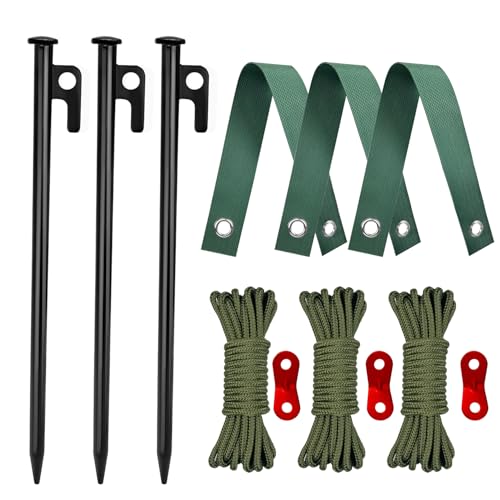
【Value Package】Package comes with 3pcs tree stakes,3pcs tree straps for staking and 3pcs ropes (each 13ft) with 3pcs aluminium tensioners. Complete tree stake kit enable your saplings to grow straight and healthy even in windy conditions
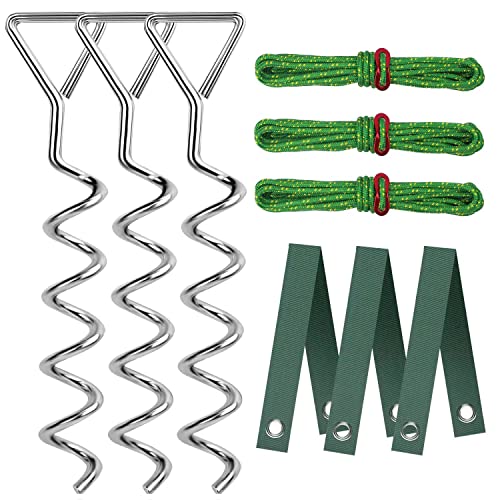
Protect Young Trees from Bad Weather: The heavy duty metal stakes are built to withstand harsh weather conditions and provide superior support to your trees, protecting them from damage caused by strong winds, heavy snowfall, or other environmental factors. In addition, using our tree straightening kits can correct young-leaning trees in time during their growth to ensure that they can grow upright and healthy.
Pruning and Training Techniques
Pruning encourages strong branches and enhances airflow. Start pruning in late winter or early spring. Here’s how to do it:
- Remove Dead Wood: Cut away any dead or diseased branches to promote healthy growth.
- Thin the Canopy: Space branches apart to allow sunlight penetration, which promotes fruit development.
- Shape the Tree: Maintain a central leader and remove competing branches to focus energy on fruit-bearing limbs.
- Train Young Trees: Use stakes or cables to shape the tree as it grows, promoting an open center that supports sunlight exposure.
Regular pruning optimizes fruit quality and increases yield.
Nutritional Needs of Apple Trees
Providing the right nutrients is essential for fruit production. Follow these guidelines to nourish your apple trees effectively:
- Soil Testing: Conduct a soil test to determine nutrient deficiencies. Aim for a pH of 6.0 to 7.0 for optimal growth.
- Fertilization Schedule: Fertilize in early spring with a balanced fertilizer, such as 10-10-10. Apply according to the instructions based on your tree’s age and size.
- Organic Matter: Incorporate compost or well-rotted manure into the soil for added nutrients. This helps improve soil structure and water retention.
- Watering Practices: Provide deep watering regularly, especially during dry spells. Aim for about 1 inch of water weekly.
Meeting these nutritional needs directly influences your apple tree’s ability to bear fruit effectively.
Common Challenges in Fruit Production
Understanding the common challenges in fruit production helps you optimize the care of your apple trees. Focus on pests, diseases, and weather conditions to boost your tree’s health and fruit yield.
Pests and Diseases
Pests and diseases impact fruit production significantly. Common pests include aphids, codling moths, and spider mites. You might notice aphid infestations by the sticky residue left on leaves. To manage pests, consider using insecticidal soap or introducing beneficial insects like ladybugs.
Fungal diseases, such as apple scab and powdery mildew, can also hinder growth. Apple scab appears as dark lesions on leaves, while powdery mildew creates a white, powdery coating. Apply fungicides proactively during wet weather to minimize disease outbreaks. Regularly inspecting your trees helps catch issues early, allowing for timely intervention.
Weather Conditions
Weather plays a crucial role in fruit production. Apple trees thrive in temperate climates, requiring cold winter temperatures for bud development and warm summers for fruit ripening. A late frost can damage blossoms, reducing fruit yield. Use frost cloths to protect sensitive blooms on chilly nights.
Drought conditions can also stress your trees, hindering fruit set. Ensure your trees receive adequate water, especially during dry spells. Mulching around the base of your trees retains moisture and regulates soil temperature. Monitor local forecasts to adjust your care routine as needed, ensuring your apple trees remain healthy and productive.
Conclusion
Growing apple trees can be a rewarding journey filled with anticipation. By understanding the timeline for fruit-bearing and the factors that influence it you’re setting yourself up for success.
With the right care and attention your trees can thrive and produce delicious apples sooner than you might expect. Remember to choose the right variety based on your patience level and be proactive in managing their needs.
Embrace the process enjoy the beauty of your trees and look forward to that first bite of homegrown fruit. Happy gardening!
Frequently Asked Questions
How long does it take for apple trees to bear fruit?
Apple trees typically start producing fruit between 3 to 6 years after planting. The timeframe can vary based on the tree variety, rootstock, and growing conditions.
What factors influence the fruit-bearing timeline of apple trees?
Several factors affect when apple trees bear fruit, including the tree’s age, type of rootstock, soil quality, sunlight exposure, watering practices, and overall care.
What types of apple tree varieties are there based on fruit-bearing age?
Standard apple tree varieties generally take 6 to 10 years to bear fruit, semi-dwarf varieties produce in 4 to 6 years, and dwarf varieties yield fruit in about 3 to 4 years.
How can I promote faster fruit production in my apple trees?
To encourage early fruit production, ensure nutritious, well-drained soil, provide consistent watering, adequate sunlight, and practice proper fertilization and pest management.
What are common pests and diseases affecting apple trees?
Common pests include aphids and codling moths, while diseases like apple scab and powdery mildew can also be problematic. Regular inspections and proactive management are essential.
What weather conditions are best for apple trees?
Apple trees thrive in temperate climates, requiring cold winters and warm summers. Protecting trees from late frosts and drought conditions is crucial for optimal fruit production.
What maintenance practices are important for apple trees?
Key maintenance practices include pruning and training the tree, ensuring proper fertilization, conducting soil tests, and following a balanced watering schedule for healthy growth.
