

Are your fruit trees looking a bit lackluster as spring rolls in? You’re not alone. Many gardeners face the challenge of keeping their trees healthy and productive during this crucial season. With pests and diseases lurking, knowing what to spray can make all the difference.
Key Takeaways
- Importance of Early Spraying: Spraying fruit trees in spring is essential for preventing pest infestations and controlling diseases, setting the stage for a healthy growing season.
- Key Pests and Diseases: Familiarize yourself with common threats such as aphids, spider mites, and fungal infections like powdery mildew to ensure timely intervention.
- Optimal Timing for Application: Early spring, particularly when buds begin to swell, is the best time for applying sprays. Follow local guidelines for specific timing to maximize effectiveness.
- Effective Spraying Techniques: Use appropriate equipment like spray guns and backpack sprayers for thorough coverage, and ensure you wear protective gear during the spraying process.
- Organic and Chemical Spray Options: Options like neem oil and insecticidal soap provide organic solutions, while chemicals like chlorothalonil and pyrethrin offer effective pest control. Always adhere to label instructions.
- Encourage Biodiversity: Healthy fruit trees attract beneficial insects, enhancing pollination and improving yield. Consider companion planting to naturally deter pests and support your fruit trees.
Importance Of Spraying Fruit Trees In Spring
Spraying fruit trees in spring plays a critical role in ensuring tree health and fruit production. Addressing pests and diseases effectively at this stage sets a solid foundation for the growing season.
Prevents Pest Infestations
Spraying early prevents the emergence of pests like aphids, spider mites, and caterpillars. If you act promptly, you can significantly reduce their numbers before they damage the trees.
Controls Diseases
Fungal diseases such as powdery mildew and peach leaf curl threaten fruit trees. Applying appropriate fungicides in spring protects trees from these common ailments. Consistent treatment helps keep trees healthy and productive.
Supports Optimal Growth
Spraying not only protects against pests and diseases but also encourages vigorous growth. Treatments can enhance nutrient absorption, helping trees develop robust foliage and healthy fruit.
Enhances Fruit Quality
Healthy trees yield better quality fruit. Spraying ensures that your harvest is free from undesirable pests. Clean, healthy fruit appeals to consumers and enhances marketability.
Encourages Pollination
Healthy, thriving fruit trees attract beneficial insects. Spraying protects trees while encouraging pollinators like bees to visit. A thriving pollination environment boosts fruit set and yields.
Timing Matters
Early spring applications are crucial. Spraying at the right moment maximizes effectiveness against pests and diseases. Follow local guidelines for specific timing to align your spraying schedule with seasonal changes.
Common Pests And Diseases
Fruit trees face several threats from pests and diseases in spring. Understanding these issues helps protect your trees and ensures a healthy harvest.
Recommended Products

3-in-1 FORMULA: Aphid spray for outdoor plants for use on roses, flowers, shrubs and trees to control listed insects, disease and mites

TRIPLE PROTECTION FORMULA: 3-in-1 solution kills listed insects, controls listed diseases, and controls listed mites with one easy application

Control diseases and insects in your garden with Captain Jack’s Fruit Tree Spray Concentrate! Use on a variety of listed fruits, nuts and citrus plants.
Identification Of Common Pests
Common pests that target fruit trees include:
- Aphids: Small, soft-bodied insects that cluster on new growth and feed on sap.
- Spider Mites: Tiny, spider-like pests that cause stippling on leaves and webbing on branches.
- Codling Moth: Larvae tunnel into fruit, creating holes and render them inedible.
- Scale Insects: Small, immobile pests that attach to branches and leaves, sucking out sap.
Regular inspections can help you spot these pests early. Look for changes in foliage, unusual growth patterns, or visible infestations.
Symptoms Of Common Diseases
Several diseases can compromise the health of your fruit trees:
- Powdery Mildew: White, powdery fungus on leaves, causing them to curl or distort.
- Brown Rot: Appears as brown spots on blossoms and fruit, leading to decay.
- Fire Blight: A bacterial infection that causes branches to wilt and die suddenly.
- Apple Scab: Dark, olive-green spots on leaves that can lead to defoliation.
Monitoring symptoms throughout spring enables early intervention. Treating affected areas promptly can prevent the spread of diseases and protect your trees.
Spraying Methods And Techniques
Spraying fruit trees effectively protects them from pests and diseases in spring. Understanding the right techniques ensures optimal application.
Recommended Products

Control diseases and insects in your garden with Captain Jack’s Fruit Tree Spray Concentrate! Use on a variety of listed fruits, nuts and citrus plants.

KILLS LISTED FRUIT & CITRUS TREE INSECTS: Controls Asian Citrus Psyllid, Whiteflies, Aphids Thrips, Citrus Leafminers, Leafhoppers, Blackfly, Mealybugs, Scales, Avocado Lacebugs, Oriental Beetles, Flea Beetles, Sharpshooters, and Spittlebugs

QUICK KNOCKDOWN & RESIDUAL CONTROL - Monterey Fruit Tree Plus for Control of Insects, Diseases & Mites is a combination of 70% Neem Oil and natural pyrethrins that provide knock down and residual insect control.
Optimal Timing For Spraying
Spray your fruit trees during early spring when buds begin to swell. Target this phase for the best results against pests and diseases. Monitor local weather conditions; apply sprays on dry, calm days to prevent drift and ensure even distribution. If rainfall occurs shortly after application, re-spray to maintain effectiveness. Timing can vary based on your region and specific fruit tree variety, so consult local agricultural extensions for precise recommendations.
Equipment Needed For Spraying
Select appropriate equipment for effective spraying. The following tools assist you in achieving thorough coverage:
- Spray Gun: Use a handheld spray gun for smaller trees; this provides better control and precision.
- Backpack Sprayer: For larger orchards, consider a backpack sprayer, which allows for higher capacity and mobility.
- Hose-End Sprayer: Attach a hose-end sprayer for quick applications on multiple trees without frequent refills.
- Protective Gear: Wear gloves, goggles, and a mask to shield yourself from chemicals.
- Marking Flags: Use marking flags to ensure you cover all areas systematically as you work.
These tools enhance your spraying efficiency and ensure your fruit trees receive necessary treatments.
Recommended Sprays For Fruit Trees
Spraying fruit trees in spring is vital for their health and productivity. You have two main options: organic and chemical sprays. Each serves to protect your trees from pests and diseases effectively.
Recommended Products

FUNGAL DISEASE CONTROL: Prevents and controls black spot on roses, powdery mildew, rust, downy mildew, and other listed fungal diseases when applied on a 7–14 day schedule

Protect your oasis with Captain Jack’s Neem Max Ready-to-Use Spray; this multipurpose product acts as a 4-in-1 insecticide, fungicide, miticide and nematicide
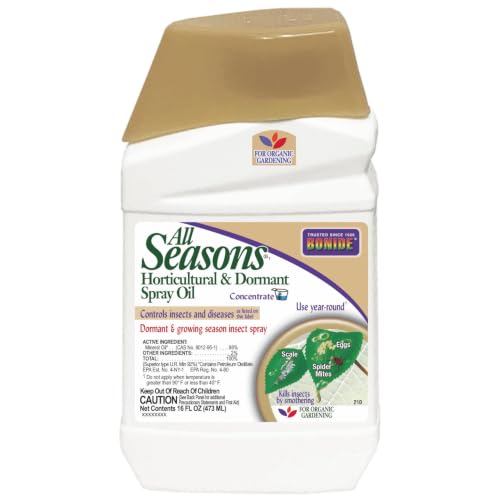
Control insects & diseases in your home garden with All Seasons Horticultural & Dormant Spray Oil Concentrate; use year-round to control listed insects and diseases
Organic Options
- Neem Oil: Neem oil is derived from the seeds of the neem tree. It acts as a natural pesticide, disrupting the life cycle of pests like aphids and spider mites. Mix two tablespoons of neem oil with one gallon of water and apply during the evening to reduce leaf burn.
- Insecticidal Soap: This soap targets soft-bodied insects, including aphids and whiteflies. A solution of 2-3 tablespoons of soap mixed with one gallon of water works well. Spray directly on the insects, ensuring thorough coverage.
- Bordeaux Mixture: This organic fungicide prevents diseases like powdery mildew and apple scab. Combine copper sulfate, hydrated lime, and water according to package instructions. Apply when buds swell for best results.
- Companion Planting: While not a spray, planting certain flowers near fruit trees can repel pests naturally. Marigolds and nasturtiums, for example, attract beneficial insects and deter harmful ones.
- Pyrethrin: Derived from chrysanthemum flowers, pyrethrin is effective against a variety of pests, including thrips and beetles. Dilute according to label instructions and apply when pest populations are high.
- Chlorothalonil: This fungicide targets diseases like brown rot and fire blight. Follow label directions for mixing and application timing to ensure maximum effectiveness.
- Malathion: This pesticide works well against a range of insects. Observe the waiting period before harvesting fruit after spraying. Always wear protective gear when handling this solution.
- Captan: Captan protects against fungal diseases. Mix according to label recommendations and apply during early spring as new leaves emerge.
Select the option that best fits your gardening philosophy and local regulations. Always follow label instructions for dosage and application to safeguard both your trees and the environment.
Conclusion
Taking the time to spray your fruit trees in spring can make a world of difference. By being proactive and choosing the right treatments you’ll not only protect your trees but also enhance their growth and fruit production. Remember to keep an eye on local conditions and monitor your trees regularly for any signs of trouble.
Whether you opt for organic solutions or chemical sprays make sure to follow the instructions closely. Your efforts will pay off with healthy trees and a bountiful harvest. Enjoy the beauty of your fruit trees this season and happy gardening!
Frequently Asked Questions
Why is it important to spray fruit trees in spring?
Spraying fruit trees in spring is crucial for maintaining tree health and maximizing fruit production. Early spraying helps prevent pest infestations and controls diseases like powdery mildew. It also supports optimal growth, enhances fruit quality, and attracts beneficial insects for pollination.
What are common pests that affect fruit trees in spring?
Common pests include aphids, spider mites, codling moths, and scale insects. Regular inspections during spring can help catch these infestations early, allowing for timely treatment to protect tree health.
How can I identify diseases in my fruit trees?
Look for symptoms such as white powdery spots for powdery mildew, dark rot for brown rot, wilting for fire blight, and black spots for apple scab. Monitoring your trees for these signs enables early intervention.
What is the best timing for spraying fruit trees?
The optimal time for spraying fruit trees is early spring, just as buds begin to swell. This timing maximizes the effectiveness of treatments against pests and diseases.
What equipment do I need for spraying?
For effective spraying, you may need a handheld spray gun for smaller trees, a backpack sprayer for larger orchards, and hose-end sprayers for quick applications. Always wear protective gear while spraying.
What types of sprays are recommended for fruit trees?
Recommended sprays include organic options like neem oil, insecticidal soap, and Bordeaux mixture. Chemical options like pyrethrin, chlorothalonil, and malathion are also effective but require careful adherence to safety precautions.
How do I choose between organic and chemical sprays?
Choose sprays based on your gardening philosophy and local regulations. Organic sprays are environmentally friendly, while chemical options may offer faster results. Always follow label instructions for dosage and application.
