

Are you wondering what to plant between your fruit trees? You’re not alone. Many gardeners face the challenge of maximizing space while ensuring their trees thrive. It’s a common scenario—after planting your favorite fruit trees, you might find those bare patches of soil just begging for some greenery.
This article will guide you through the best options for companion planting. By choosing the right plants, you can enhance soil health, attract beneficial insects, and even boost your fruit yield. Let’s explore how you can turn those empty spaces into thriving mini-gardens that benefit both you and your trees.
Key Takeaways
- Maximize Garden Space: Utilize companion planting techniques to efficiently fill spaces between fruit trees, enhancing both aesthetics and productivity.
- Enhance Soil Health: Plant nitrogen-fixing cover crops like clover and vetch to naturally enrich soil, improving its structure and nutrient levels.
- Attract Beneficial Insects: Incorporate flowering plants such as marigolds and nasturtiums to attract pollinators and predatory insects that can help control pests.
- Strategic Plant Pairings: Research and implement specific companion plants, like chives near apple trees, to improve flavor and deter pests.
- Adopt Crop Rotation: Avoid planting the same companions in the same area yearly to reduce pests and promote soil health.
- Monitor Growth: Regularly evaluate the performance of companion plants and adjust your planting strategies based on their growth and health impact on fruit trees.
Understanding the Importance of Companion Planting
Companion planting plays a vital role in maximizing the productivity of your garden space. It involves strategically placing different plants close together for mutual benefit. This method supports healthier soil, attracts helpful insects, and discourages pests.
Enhancing Soil Health
By planting cover crops, such as clover or vetch, between fruit trees, you can naturally enrich your soil. These plants fix nitrogen, improving nutrient levels. As they decompose, they add organic matter to the soil, which enhances soil structure and moisture retention.
Attracting Beneficial Insects
Certain flowers, like marigolds and nasturtiums, draw beneficial insects. These insects, including ladybugs and lacewings, prey on harmful pests. Including these plants near your fruit trees can reduce pests naturally, minimizing chemical use.
Increasing Fruit Yield
Companion planting can also contribute to higher fruit yields. Planting basil near tomato trees, for example, can boost their flavor and growth. Similarly, intercropping with plants that have different root depths ensures that nutrients aren’t over-extracted from the soil, promoting overall productivity.
- Research Specific Pairings: Look up companion plants that thrive with your fruit trees. For instance, plant chives by apple trees to enhance their taste and deter aphids.
- Rotate Crops: Avoid planting the same companions in the same spot each year. This practice reduces pest buildup and promotes soil health.
- Observe Growth Patterns: Evaluate how companion plants affect each other and your fruit trees. Adjust planting strategies based on their performance.
By understanding the benefits of companion planting, you can transform gaps between your fruit trees into productive spaces, enhancing your gardening experience and yields.
Benefits of Planting Between Fruit Trees
Planting between fruit trees offers several advantages that can improve both the health of your garden and the productivity of your trees. This section discusses how you can enhance soil health and improve pest management.
Recommended Products

Early Frosty English Pea seeds garden seeds vegetable seeds bulk

Cover Crop - Large premium packet of Austrian Winter Peas (Pisum sativum subsp. arvense) seeds. Winter-hardy and drought-tolerant cover crops can help cover the soil of your home garden beds during the off season. We've included enough seed in one packet to cover an 8' x 4' garden bed. Minimum of 17 g per packet (about 200 seeds).

Garden vegetable seed Depth: 1". Planting seeds Spacing: 4", Row Distance: 24". Germination temperature: 40 to 70° F
Enhancing Soil Health
You can boost soil health by planting between your fruit trees with strategic companion plants. These plants return essential nutrients back to the soil, support microbial life, and prevent erosion.
- Use Legumes: Consider planting legumes like clover or peas. They fix nitrogen in the soil, enriching it and providing a natural fertilizer for your fruit trees.
- Add Organic Matter: Incorporate plants that mulch quickly, such as comfrey or buckwheat. They increase organic matter, which improves soil structure and moisture retention.
- Attract Beneficial Microbes: Certain flowers, such as chamomile or borage, encourage beneficial microbial activity. This enhances nutrient availability for your trees.
Improving Pest Management
You can improve pest management by selecting plants that help maintain a natural balance within your garden ecosystem.
- Plant Attracting Flowers: Use flowers like marigolds or nasturtiums. These minimize harmful insects and attract beneficial predators like ladybugs and lacewings.
- Employ Companion Planting Strategies: Pair specific herbs, such as basil with fruit trees. Herbs can repel pests while enhancing the growth and flavor of nearby fruit.
- Utilize Diverse Planting: Grow various plants between your trees. This diversity confuses pests, making it harder for them to find their target crops.
By implementing these practices, you can cultivate a healthier environment around your fruit trees, resulting in better yields and reduced pest issues.
Suitable Plants for Interplanting
Choosing the right plants for interplanting between fruit trees boosts soil health, attracts beneficial insects, and maximizes space. Here are some suitable options:
Recommended Products

4 kinds of the most popular fruits, individually packaged, 50pcs Lemon seeds 50pcs Cherry seeds 50pcs Orange seeds 50pcs Apple seeds Fresh seeds, all fruit seeds are packed in tear and moisture resistant zipper sealed bags for your long term storage.

Mulberries are Beautiful Fruit Bearing Plants that will add spectacular beauty to any home or garden
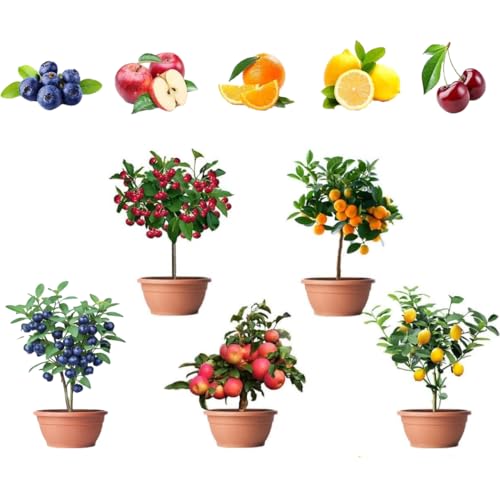
Variety Pack of 5 Fruits: Includes 40 Lemon seeds, 40 Orange seeds, 40 Apple seeds, 20 Cherry seeds, and 20 Blueberry seeds for a colorful and diverse home garden
Herbs to Consider
- Basil: Enhances flavor in nearby tomatoes and repels pests like aphids. Plant it around the base of your trees for dual benefits.
- Chives: Their strong scent deters pests while attracting pollinators. Use them as a border plant around fruit tree areas.
- Mint: Acts as a natural pest repellent. Contain mint in pots to prevent unwanted spreading while enjoying its aromatic qualities.
- Lavender: Attracts pollinators and helps deter moths. Position it along pathways near your fruit trees to encourage beneficial insects.
Ground Covers for Fruit Trees
- Clover: Grows low and fixes nitrogen in the soil, improving nutrient levels. Use white clover between trees for both aesthetics and benefits.
- Thyme: Drought-resistant and fragrant, thyme helps suppress weeds while attracting beneficial insects. It thrives in sunny spots beneath trees.
- Strawberry: Provides delicious fruit and acts as a living mulch, retaining moisture in the soil. Plant them strategically as edible ground cover.
- Vetch: A legume that enriches the soil with nitrogen. Use it in rotation with other ground covers for continual soil enhancement.
- Peas: These legumes fix nitrogen in the soil and can be planted at the base of trees during cooler months as a seasonal cover crop.
- Fava Beans: Offer significant nitrogen benefits. Incorporate fava beans into your garden plan for optimal soil health and a bountiful harvest.
- Lentils: Fast-growing and beneficial, lentils enrich soil while providing edible seeds. Divide your planting space to include lentils alongside your trees.
- Alfalfa: A hardy perennial that deeply roots to access nutrients. Grow it in the alleys between your trees for lasting soil improvement.
Incorporating these plants will create a thriving ecosystem around your fruit trees, enhancing their growth and productivity.
Best Practices for Planting Between Trees
Maximizing space between fruit trees involves strategic planting for the best results. Following a few best practices ensures optimal growth and health for all plants involved.
Recommended Products

Light: Thrives in full sun for best fruit production.


Spacing and Arrangement Guidelines
- Space plants adequately: Ensure vegetables, herbs, and flowers have enough room to grow without overshadowing fruit trees. Typically, leave 12-24 inches around each tree for maximum access to sunlight and air circulation.
- Arrange plants wisely: Consider height and spread when arranging plants. Taller plants like sunflowers or corn should be positioned on the north side to avoid shading shorter plants.
- Group compatible species: Plant companions that benefit each other. For instance, place nitrogen-fixing legumes like peas or clover near fruit trees to enrich the soil. This improves overall tree health.
- Rotate planting regularly: Alternate plant types each season to prevent soil depletion and manage pests. This helps maintain balanced soil nutrients and disrupts pest life cycles.
- Plant according to seasons: Choose plants that thrive in your local climate during specific seasons. Cool-weather crops like kale or spinach work well in spring and fall, while heat-loving crops like beans or basil thrive in summer.
- Monitor flowering times: Pay attention to flowering periods of companion plants. Schedule planting to ensure that flowering herbs and flowers, such as borage, bloom when trees flower, attracting pollinators.
- Adjust for temperature fluctuations: Be aware of early frosts or late heat waves that may affect growth. Use protective covers or mulch to shield sensitive crops during unexpected weather changes.
- Consider harvesting times: Coordinate planting and harvesting schedules with the trees’ fruiting times. This ensures your interplants don’t compete with fruit trees during critical growth periods.
By adhering to these best practices, you’ll cultivate a vibrant ecosystem that supports healthy fruit trees and provides additional harvests in the space between.
Conclusion
Maximizing the space between your fruit trees can transform your garden into a thriving ecosystem. By thoughtfully selecting companion plants you’ll not only boost soil health but also attract beneficial insects and improve pest management.
Experiment with different combinations and watch how they interact. You might be surprised by the results. With a little planning and observation you can create a vibrant and productive garden that supports your fruit trees while giving you extra harvests.
So go ahead and get creative with your interplanting. Your garden will thank you for it!
Frequently Asked Questions
What is companion planting?
Companion planting is the practice of growing different plants close together for mutual benefits. This technique can improve soil health, attract beneficial insects, and enhance the growth and yield of plants, particularly fruit trees.
How does companion planting benefit soil health?
Companion plants, like legumes, can fix nitrogen in the soil, enriching it and adding organic matter. Plants such as cover crops improve soil structure and promote a healthy microbial community, which supports tree growth.
What types of plants should I use with fruit trees?
For effective companion planting, consider using legumes like clover and vetch for nitrogen fixation, herbs like basil and mint for pest control, and flowering plants like marigolds to attract beneficial insects.
How does planting flowers help fruit trees?
Planting flowers such as chamomile or borage attracts beneficial insects that prey on harmful pests. This natural pest management reduces the need for chemical treatments, promoting a healthier ecosystem around the fruit trees.
What spacing should I consider for planting between trees?
It is recommended to space companion plants 12-24 inches around each fruit tree. This spacing ensures adequate growth and nutrient access for both trees and companion plants without overcrowding.
Can I rotate crops around my fruit trees?
Yes, rotating crops is beneficial as it prevents soil depletion and pest buildup. Regularly changing plant varieties in the interspaces can maintain balanced soil nutrients and improve overall plant health.
Are some plants more effective than others for pest management?
Certain herbs and flowers are particularly effective in repelling pests. For example, basil, chives, and nasturtiums can deter harmful insects while attracting beneficial predators, contributing to healthier fruit tree growth.
How can I improve fruit yields through companion planting?
By strategically planting compatible species, particularly herbs and flowering plants, you can enhance pollination and nutrient availability for fruit trees. This combination ultimately leads to better growth, flavor, and higher fruit yields.
What are ground covers and how do they help?
Ground covers, such as clover and thyme, enrich the soil, retain moisture, and suppress weeds. They also provide a habitat for beneficial insects and enhance the overall health of the garden ecosystem when planted between fruit trees.
How can I monitor the success of my companion planting?
Keep track of growth patterns, flowering times, and pest activity in your garden. Adjust planting strategies according to seasonal changes, and observe how different plant pairings affect the fruit trees’ health and yields.
