

Are you frustrated with your pear tree not bearing fruit? You’re not alone. Many gardeners face this challenge, watching their trees grow lush and green but waiting in vain for that sweet harvest.
Key Takeaways
- Choose the Right Variety: Select pear tree types suited for your region, such as European, Asian, or hybrid pears, to enhance fruit production.
- Ensure Ideal Conditions: Provide full sunlight, well-draining loamy soil, and proper spacing to support healthy growth and fruiting.
- Promote Cross-Pollination: Plant multiple pear varieties nearby to improve pollination and maximize fruit yield.
- Implement Proper Care Techniques: Use effective pruning and consistent watering practices to encourage healthy growth and fruit production.
- Manage Pests and Diseases: Monitor your tree for common pests and diseases like aphids and fire blight, addressing issues promptly to prevent damage.
- Address Environmental Stress: Mitigate the effects of temperature fluctuations, watering inconsistencies, and nutrient deficiencies to foster a thriving and productive pear tree.
Understanding Pear Trees
Understanding the essential aspects of pear trees helps you cultivate a fruitful harvest. You’ll soon discover the factors influencing pear fruit production.
Types of Pear Trees
Different types of pear trees exist, and each type has unique characteristics. Here are the most common types:
- European Pears: These trees bear sweet, juicy fruit. Varieties include ‘Bartlett,’ ‘Bosc,’ and ‘Conference.’
- Asian Pears: Round and crisp, these pears differ from their European relatives. Varieties include ‘Shinsui’ and ’20th Century.’
- Hybrid Pears: Crossbreeding produces these trees, resulting in diverse flavors and textures. A notable variety is ‘Kieffer.’
Selecting the right type of pear tree for your region and preferences encourage successful fruit production.
Ideal Growing Conditions
To thrive, pear trees require specific growing conditions. Focus on these essentials:
- Sunlight: Pear trees need full sun for at least 6-8 hours daily. More sunlight promotes fruit development.
- Soil: Well-draining, loamy soil offers the best growth environment. Aim for a pH between 6.0 and 7.5.
- Watering: Deep watering encourages strong root growth. Water regularly during dry spells, especially in the first few years.
- Spacing: Plant pear trees at least 15-20 feet apart to allow ample air circulation and sun exposure.
Creating the right conditions enables your pear tree to flourish and bear abundant fruit.
Key Factors for Fruit Production
Understanding the essential factors for fruit production is crucial for encouraging your pear tree to bear fruit. Here are the key elements to focus on:
Recommended Products

35 Premium Pear Tree Seeds: Start your own home orchard with our collection of 35 premium pear seeds. Grow these classic fruit trees that will provide delicious, sweet pears for fresh eating, canning, and baking

Grafted for quality fruit taste and fruit yield

Tropical Flavor Profile: Dragon fruit has a tropical flavor, tasting like a cross between pear and kiwi. Used both as an ornamental vine and as a fruit crop, it is a fast-growing, sprawling or vining, terrestrial or epiphytic cactus
Pollination Requirements
Pollination plays a significant role in fruit production. Most pear trees require cross-pollination to set fruit effectively. This means having at least two different pear varieties nearby enhances the chances of successful pollination. For example, if you plant a Bartlett pear tree, pairing it with a Bosc or Anjou tree will boost fruit yield. Choose varieties that bloom at the same time for optimal results.
Soil and Nutrient Needs
Soil quality directly affects your pear tree’s health and fruit production. Well-draining loamy soil is ideal, as it retains moisture while preventing root rot. Test your soil pH; pear trees prefer a range of 6.0 to 7.5.
Nutrient requirements are also crucial. Provide a balanced fertilizer with nitrogen, phosphorus, and potassium in early spring. Consider organic options like compost or well-rotted manure for a nutrient boost. Regularly check for signs of nutrient deficiency, such as yellowing leaves or poor growth. Adjust your care routine accordingly to meet these needs.
Care Techniques for Fruit Bearing
Proper care techniques greatly influence your pear tree’s ability to bear fruit. Focus on the right pruning methods and watering practices to support your tree’s growth and productivity.
Recommended Products
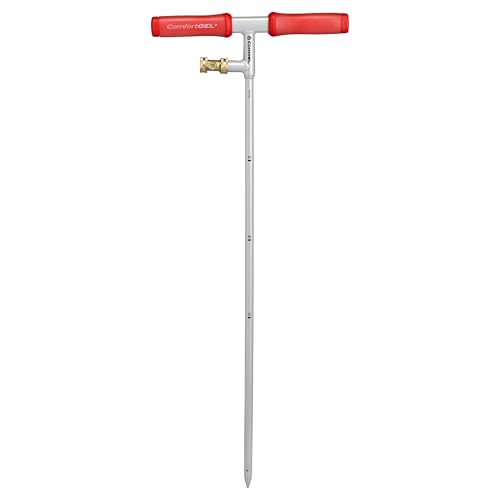
Targeted Deep Root Irrigation – Delivers water directly to the root zone, reducing runoff and evaporation while promoting deeper, healthier root growth for trees, shrubs, and garden plants.

【Unique Design Deep Root Tree Watering Tool】 Our root watering tool have four exit hole for the water,won't got clogged easily,It made of stainless steel,not rusting from the inside out.It can leave in the soil and is strong enough to drive through gravel,help your plants build a strong root system .

4-Hole Side Design: This high-performance tree watering spike makes it easy to deliver water and fertilizer directly to the root zone. The upgraded side-hole design helps improve watering efficiency, while the sharp tip makes it easy to push into hard or compact soil. The 4 side outlets help reduce clogging and distribute water more evenly for deep root watering and feeding.
Pruning Methods
Pruning enhances your pear tree’s shape and encourages fruit production. Start pruning in late winter when the tree is dormant. Follow these steps:
- Remove Dead or Diseased Branches: Check your tree for any dead or damaged wood. Cut these branches back to healthy tissue to improve airflow and reduce disease risk.
- Thin Out the Canopy: Open up the center of the tree by trimming back crowded branches. This improves light penetration and air circulation, promoting healthier growth.
- Shape the Tree: Aim for an open center or a central leader shape to allow sunlight to reach more fruit-bearing branches. Keep the overall height manageable for easier harvesting.
- Limit Fruit Spurring: Avoid excessive pruning since new growth produces fruit. Focus on maintaining a balance between strong growth and fruiting ability.
Pruning not only shapes your pear tree but also encourages better fruit production.
Watering Practices
Consistent watering supports robust fruit development. Follow these guidelines for proper watering:
- Deep Watering: Water your pear tree deeply once a week, especially during dry spells. This encourages deep root growth, critical for nutrient uptake.
- Moisture Check: Check the soil moisture about 2 inches below the surface. If it’s dry, it’s time to water.
- Avoid Overwatering: Ensure proper drainage. Waterlog can harm the roots and lead to poor fruit production. Let the top inch of soil dry between waterings.
- Mulch Application: Apply a layer of organic mulch around the base of the tree. Mulch retains moisture, regulates soil temperature, and suppresses weeds.
Implement these watering practices to maintain healthy hydration levels and promote fruitful harvests from your pear tree.
Common Problems and Solutions
Your pear tree may face issues preventing fruit production. Recognizing and addressing these common problems can lead to better yields.
Recommended Products

Control diseases and insects in your garden with Captain Jack’s Fruit Tree Spray Concentrate! Use on a variety of listed fruits, nuts and citrus plants.
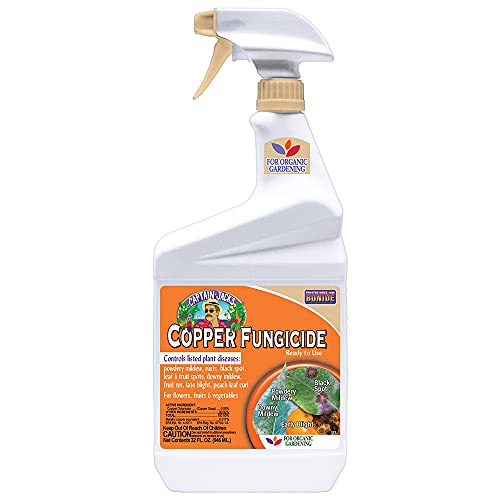
Control fungus and disease in your garden with Captain Jack’s ready-to-use Liquid Copper Fungicide!

3-IN-1 FLOWER CARE: All-In-One Rose & Flower Plant Care provides insect control, disease control, and plant mite control all in one; Rainproof protection starts in 4 hours and lasts up to 14 days
Pests and Diseases
Pests and diseases can significantly hinder the fruiting process of your pear tree.
- Aphids: These small insects suck sap from leaves, leading to wilting. Control them by spraying with insecticidal soap or introducing beneficial insects like ladybugs.
- Pear Psylla: This pest creates sticky honeydew, attracting sooty mold. Use neem oil to manage their population during the growing season.
- Fire Blight: This bacterial disease causes branches to wilt, akin to being scorched. Prune infected branches at least 8-12 inches below the affected area and sterilize tools between cuts.
Monitor your trees closely for symptoms of these pests and diseases. Early intervention can prevent more severe damage.
Environmental Stress Factors
Environmental stress factors impact fruit development on your pear tree.
- Temperature Fluctuations: Pear trees thrive in USDA hardiness zones 5-9. Late spring frosts can damage blossoms, reducing fruit set. Protect young blossoms with row covers if frost is forecasted.
- Watering Inconsistencies: Inadequate or excessive watering can stress the tree. Water deeply once a week, ensuring the soil remains moist but not waterlogged.
- Nutrient Deficiencies: Deficiencies in nitrogen or potassium can stunt growth and fruiting. Test your soil and apply a balanced fertilizer in early spring to address nutrient needs.
Addressing these environmental stress factors fosters a healthy tree that’s more likely to bear fruit.
Conclusion
Growing a fruitful pear tree takes patience and care but it’s absolutely worth it. By understanding the unique needs of your tree and providing the right conditions you can enjoy a bountiful harvest. Remember to focus on proper pollination soil quality and consistent care.
Keep an eye out for pests and diseases and address any issues promptly. With a little effort and attention your pear tree can thrive and reward you with delicious fruit for years to come. Happy gardening and here’s to your future pear harvests!
Frequently Asked Questions
Why isn’t my pear tree producing fruit?
Pear trees may not produce fruit due to several factors, including inadequate pollination, poor soil quality, incorrect watering, or lack of sunlight. Understanding these factors can help diagnose the problem.
What types of pear trees are there?
There are several types of pear trees, including European, Asian, and hybrid varieties. Each type has its own characteristics concerning growth habits, fruit size, and flavor profiles.
How can I improve pollination for my pear trees?
To improve pollination, it’s essential to plant at least two different varieties of pear trees nearby. Cross-pollination between different varieties enhances fruit yield significantly.
What are the ideal growing conditions for pear trees?
Pear trees thrive in full sunlight, well-draining loamy soil with a pH of 6.0 to 7.5, and require regular deep watering. Proper spacing is crucial for healthy growth and fruit production.
When should I prune my pear trees?
Prune pear trees in late winter to remove dead or diseased branches. This practice also helps thin out the canopy for better light penetration and shapes the tree for easier harvesting.
How often should I water my pear trees?
Water pear trees deeply once a week, checking the soil moisture to avoid overwatering. Applying organic mulch can help retain moisture and regulate soil temperature.
What common pests affect pear trees?
Common pests include aphids, pear psylla, and fire blight. Regular monitoring and implementing control measures can help manage these issues to protect fruit production.
How can environmental stress affect my pear trees?
Environmental stress from temperature fluctuations, inconsistent watering, and nutrient deficiencies can hinder fruit development. Recognizing these stressors is vital to maintaining healthy trees.
