

Have you ever wondered how long you’ll be waiting for that delicious homegrown avocado? If you’ve planted an avocado tree or are thinking about it, you’re not alone. Many people dream of enjoying fresh avocados from their own backyard, but the timeline can be a bit tricky.
Key Takeaways
- Avocado trees generally start bearing fruit between 2 to 6 years after planting, depending on the variety and care provided.
- Mexican avocado varieties typically produce fruit faster (3 to 5 years), while Guatemalan varieties may take longer (4 to 6 years).
- Key growing conditions include well-draining soil, at least six hours of sunlight daily, and consistent watering to support healthy root systems.
- Environmental factors like temperature and pest control significantly influence avocado tree health and fruit production.
- Grafting can accelerate fruit production, allowing trees to bear fruit within 2 to 3 years.
- Implementing best practices such as proper fertilization, pruning, and attracting pollinators can enhance fruit yield and quality.
Understanding Avocado Trees
Avocado trees are unique and fascinating. They offer not only beautiful foliage but also the delicious fruit many enjoy. Understanding these trees helps you manage your expectations regarding fruit production and care.
Types of Avocado Trees
Avocado trees primarily fall into three types:
- Mexican Varieties: Known for their cold tolerance, these trees thrive in warmer climates. Their fruit matures more quickly, so you can expect results sooner.
- Guatemalan Varieties: These trees prefer slightly cooler temperatures and may take longer to produce fruit. They are less hardy than Mexican types but offer a rich, creamy fruit.
- Hybrid Varieties: These trees combine traits from both Mexican and Guatemalan types. They show adaptability to various conditions and produce avocados that mature at different times.
Using the right variety for your climate can significantly impact fruit production timelines.
Growing Conditions
Avocado trees require specific conditions for optimal growth:
- Sunlight: These trees love sunlight. Aim for at least six hours of direct sun each day to encourage healthy growth.
- Soil: Well-draining soil is crucial. Consider sandy loam or clay loam mixed with organic matter for best results.
- Water: Young avocado trees need consistent watering to establish roots. Aim for deep, infrequent watering, rather than frequent shallow watering.
- Temperature: Ideal temperatures range between 60°F and 85°F. Protect trees from frost, especially young ones.
Maintaining these conditions helps your avocado tree thrive and increases the likelihood of fruit production sooner.
Factors Influencing Fruit Bearing
Several key factors affect how quickly an avocado tree bears fruit. Understanding these components helps you manage your expectations and optimize growth.
Recommended Products

FOR USE ON: Use Citrus-tone organic fertilizer for all citrus trees, including lemon, lime, orange, Meyer Lemon Trees as well as for avocado & nut trees

HEALTHY AVOCADO PLANTS: Our Avocado Fruit Fertilizer is formulated to nourish your avocado plants with micronutrients for lush growth and vibrant leaves while preventing yellowing and stunted growth.
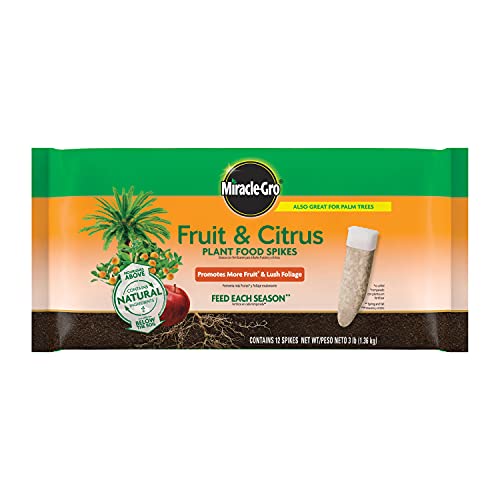
FORMULATED FOR CITRUS AND FRUIT TREES: Use these citrus fertilizer spikes on apple, orange, lemon, lime, and avocado trees; this formula is also great for feeding palm trees
Age of the Tree
Age plays a significant role in fruit-bearing. Generally, avocado trees start producing fruit between 3 to 5 years after planting, depending on the variety. For instance, hybrid varieties may bear fruit sooner than their Mexican or Guatemalan counterparts. If you graft a tree, it can begin producing within 2 to 3 years. Keeping track of your tree’s age can help you anticipate harvest time.
Environmental Factors
Environmental conditions heavily influence fruiting. Avocado trees thrive in specific climates. Ideal temperatures range from 60°F to 85°F. Sudden temperature drops or prolonged heat can stress the tree. Additionally, proper sunlight exposure is essential. Aim for at least six hours of direct sunlight daily. Well-draining soil also promotes healthy root systems, which is critical for fruit development.
Care and Maintenance
Care and maintenance significantly impact fruit production. Consistent watering, especially in dry periods, encourages healthy growth. Apply mulch to retain moisture and regulate soil temperature. Fertilization every 4 to 6 weeks during the growing season provides essential nutrients. Prune your tree to enhance airflow and remove unhealthy branches. Observing your tree’s health and adjusting care routines can lead to a better yield.
The Timeline for Fruit Bearing
Growing avocados takes patience. Understanding the typical timelines for fruit-bearing can set realistic expectations for your journey.
Recommended Products

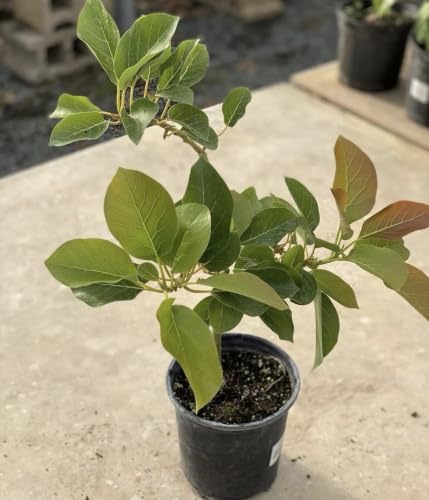
MATURE SIZE: Pre-grown Hass avocado tree stands 5-7 feet tall, perfect for immediate fruit production and landscape impact

From Seed to Tree
When you plant an avocado seed, it can take about 10 to 15 years before it bears fruit. It requires a nurturing environment, appropriate care, and specific conditions like warmth and moisture. If you choose to propagate from a seed, be prepared for a lengthy wait. Alternatively, grafted avocado trees can deliver fruit in just 3 to 5 years after planting. Grafting combines the best traits of two trees, resulting in a tree that flourishes more quickly.
Expected Timeframes for Different Varieties
The fruit-bearing timeline varies among different avocado varieties. Here’s a breakdown:
| Variety Type | Time to Bear Fruit |
|---|---|
| Mexican | 3 to 5 years |
| Guatemalan | 4 to 6 years |
| Hybrid | 2 to 4 years |
Mexican varieties often mature faster, thriving in warmer climates. Guatemalan avocados tend to take a bit longer and prefer cooler environments. Hybrid varieties, like the popular Hass, usually bear fruit relatively early.
Monitoring your tree’s health and ensuring proper care, such as fertilization and pest control, can positively influence your timeline. By providing the right conditions, you increase the chances of enjoying delicious homegrown avocados sooner.
Tips for Encouraging Fruit Production
Encouraging your avocado tree to bear fruit involves practical care and attention. Implementing the right practices can significantly impact when your tree produces avocados.
Recommended Products
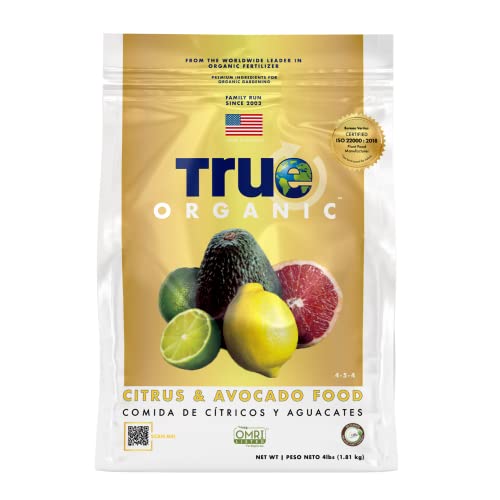
Lush Foliage and Abundant Fruit: Designed to promote vibrant green leaves, plentiful blossoms, and bountiful citrus and avocado harvests.

Supports Strong Roots & Growth – This avocado fertilizer helps promote deep root development, healthy foliage, and overall plant strength.

Package contains 4 Pounds organic fruit and citrus fertilizer grains and is produced to avoid wasteful runoff, mess, hazards and smells
Best Practices for Care
- Water Regularly: Provide deep watering once or twice a week, especially during dry spells. Ensure the soil stays moist but not waterlogged.
- Use Quality Soil: Plant your avocado tree in well-draining soil. Amend it with organic matter to improve drainage and nutrient content.
- Fertilize Appropriately: Apply a balanced fertilizer formulated for fruits during the growing season. Aim for 1-2 pounds of fertilizer per year for young trees.
- Prune Wisely: Trim dead or overcrowded branches to promote air circulation. Pruning helps focus the tree’s energy on fruit production.
- Watch for Pests: Keep an eye out for pests like aphids or spider mites. Use organic insecticides or neem oil to control infestations promptly.
- Understand Pollination Types: Avocado trees feature unique flower behavior, typically opening as female in the morning and male in the afternoon. Cross-pollination between different avocado varieties can increase fruit yield.
- Plant Compatible Varieties: For optimal pollination and fruit production, plant both Type A (e.g., ‘Hass’) and Type B (e.g., ‘Fuerte’) avocado varieties nearby. This allows them to benefit from each other’s pollen.
- Attract Pollinators: Encourage bees and other pollinators by planting flowers nearby. Pollinator-friendly plants can enhance the likelihood of successful fruit set.
These tips can significantly enhance your avocado tree’s productivity, leading to a bountiful harvest in a shorter time frame.
Conclusion
Growing your own avocado tree can be a rewarding journey filled with anticipation. While it takes time for your tree to bear fruit you can speed up the process by providing the right care and conditions. Remember to keep an eye on factors like sunlight watering and soil quality to support your tree’s health.
With patience and dedication you’ll eventually enjoy the fruits of your labor. Whether you planted a seed or a grafted tree the wait will be worth it when you finally get to taste your homegrown avocados. Happy gardening and may your avocado tree thrive!
Frequently Asked Questions
How long does it take for an avocado tree to bear fruit?
An avocado tree typically starts producing fruit between 3 to 5 years after planting, especially if it’s a grafted variety. In contrast, trees grown from seed may take 10 to 15 years to bear fruit. The specific variety also influences the timeline, with Mexican varieties taking 3 to 5 years, Guatemalan 4 to 6 years, and hybrids 2 to 4 years.
What types of avocado trees are there?
There are three primary types of avocado trees: Mexican, Guatemalan, and hybrid varieties. These types differ in their fruit production timelines and climate preferences. Choosing the right type for your climate can help ensure a successful harvest.
What conditions do avocado trees need to thrive?
Avocado trees thrive in well-draining soil, ample sunlight, and consistent watering. Ideal temperature ranges are also essential. Providing these conditions increases the likelihood of successful fruit production and overall tree health.
How can I encourage my avocado tree to produce fruit?
To encourage fruit production, ensure deep watering, use quality well-draining soil, and fertilize appropriately. Pruning for air circulation, controlling pests, and planting compatible varieties nearby can also help enhance fruit yield.
Can I grow an avocado tree indoors?
Yes, you can grow an avocado tree indoors, but it requires plenty of sunlight, ideally around 6 hours a day. Ensure adequate pot drainage, regular watering, and proper fertilization for optimal growth and fruiting potential indoors.
