

Have you ever wondered how long it takes for a mango tree to start bearing those delicious fruits? If you’ve planted a mango tree or are thinking about it, you’re probably eager to know when you can enjoy that sweet reward.
Understanding the timeline for mango trees can save you a lot of anticipation and help you plan your garden better. In this article, we’ll break down the stages of growth and fruiting, giving you insights on what to expect. Whether you’re a seasoned gardener or a newbie, you’ll find useful tips to ensure your mango tree thrives and produces fruit sooner.
Key Takeaways
- Fruit Bearing Timeline: Mango trees typically start bearing fruit 3 to 6 years after planting, with optimal production reached after 7 years.
- Varietal Differences: Certain mango varieties, like Tommy Atkins and Haden, fruit sooner; selecting the right type can influence your harvesting time.
- Growing Conditions Matter: Optimal care, including temperature, soil type, and sunlight exposure, is crucial for promoting healthy growth and fruit production.
- Effective Care Practices: Proper pruning and balanced fertilization are key practices that enhance fruit yield and tree health.
- Monitoring for Issues: Regularly check for pests and diseases, as well as environmental stress factors, to maintain tree vitality and fruit quality.
Understanding Mango Trees
Mango trees are popular for their delicious fruit and tropical beauty. Understanding these trees helps you cultivate them for optimal fruit production.
Types of Mango Trees
Mango trees come in several varieties, each with unique traits:
- Tommy Atkins: This variety produces a long, sweet fruit with a red-yellow skin. It’s widely grown for commercial use due to its disease resistance.
- Haden: Known for its aromatic flavor, the Haden mango has a vibrant red skin with green-yellow undertones. It offers excellent quality for fresh consumption.
- Kent: This type features a green skin with a touch of red and yields a juicy, fiber-free flesh. Kent mangos are popular for desserts and smoothies.
- Palmer: Characterized by its large size and purple skin, the Palmer mango is mildly sweet and fiberless. It’s often used in salads and salsas.
- Kesar: Originating from India, Kesar mangos are small and have a golden-yellow skin. Their sweetness and unique aroma make them highly sought after.
Growing Conditions
Mango trees thrive in specific growing conditions, crucial for fruit production:
- Climate: Mango trees prefer a tropical or subtropical climate. They need temperatures around 70°F to 100°F for optimal growth.
- Soil: Well-draining sandy loam soil supports mango trees. Soil pH should range from 5.5 to 7.5 for best results.
- Sunlight: Full sun exposure ensures healthy growth. Aim for at least 6 hours of sunlight daily for your mango tree.
- Watering: Monthly watering suffices once established. Overwatering can lead to root rot, while insufficient watering can stress the tree.
- Fertilizing: Use a balanced fertilizer during the growing season to nourish your mango tree. Incorporate organic matter to enhance soil health and drainage.
Understanding the types and growing conditions for mango trees sets a solid foundation. With proper care, these trees provide delicious fruit for years to come.
Timeframe for Fruit Bearing
Mango trees take time before they start producing fruit. Understanding the timeline helps you plan your gardening efforts effectively.
Recommended Products
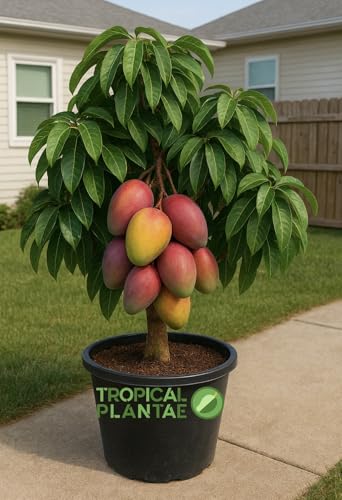
Imagine stepping into your backyard a few months from now and seeing a beautiful grafted Haden mango tree, growing stronger every day — a tree that will soon reward you with one of the most classic, flavorful mangoes ever grown.

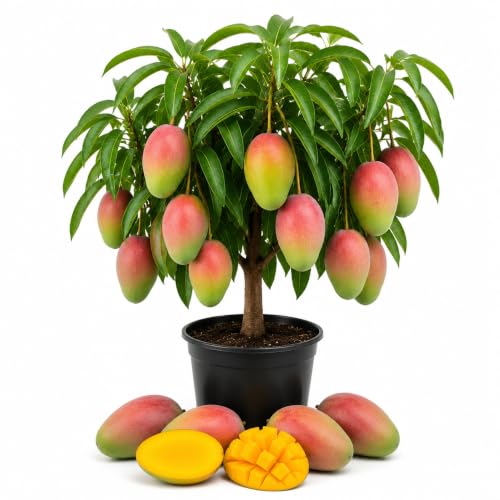
The Ivory Mango Tree, a grafted variety of Mangifera indica, is a highly sought-after tropical fruit tree known for its unique elongated fruit, creamy texture, and exceptional flavor. This premium mango variety is native to Southeast Asia and has become a favorite among mango enthusiasts worldwide. Its grafted nature ensures reliable fruit quality, early fruiting, and adaptability, making it an excellent choice for home gardens and orchards.
Age of Mango Trees
Mango trees typically bear fruit between 3 to 6 years after planting. Younger trees may not produce as reliably as mature ones. Here’s a breakdown of fruit-bearing timelines based on age:
- 1-2 years: Mango trees remain too young to bear fruit.
- 3-4 years: Trees start to yield small quantities of fruit, often lower in quality.
- 5-6 years: Trees begin to produce larger crops.
- 7+ years: Trees reach peak fruit-bearing capacity, providing generous harvests annually.
Selecting grafted varieties can speed up this timeline, as these trees often mature faster than seedlings.
Factors Affecting Time to Bear Fruit
Several factors influence when mango trees bear fruit. Key elements include:
- Variety: Some mango varieties, like Tommy Atkins and Haden, fruit sooner than others. Pick a variety that aligns with your timeline.
- Climate: Mango trees thrive in tropical to subtropical climates. Optimal temperatures encourage faster growth and fruiting.
- Soil Type: Well-draining, sandy loam soil promotes healthy roots. Avoid heavy clay soils that can stifle growth.
- Watering: Consistent watering supports tree health. Ensure you don’t overwater; mango trees prefer drier conditions during their growth.
- Fertilizing: Proper fertilization boosts growth. Use a balanced fertilizer, especially high in potassium, to enhance fruit production.
By considering these factors, you can create an environment conducive to quicker fruit-bearing.
Care for Fruit Production
Caring for mango trees enhances fruit production. Implementing proper techniques ensures healthy growth and plentiful yields.
Proper Pruning Techniques
Pruning is crucial for mango trees, promoting healthy growth and increased fruit yield. Start pruning in late winter or early spring before new growth begins.
- Remove Dead Branches: Cut away any dead or damaged branches to improve airflow and reduce disease risks.
- Shape the Tree: Trim to maintain an open canopy. This allows sunlight to penetrate and helps manage tree height.
- Thin Out Excess Growth: Eliminate overcrowded branches. Fewer branches direct energy towards fruit production instead of excessive foliage.
- Use Clean Tools: Ensure all pruning tools are sanitized to prevent disease transmission.
Importance of Fertilization
Fertilization significantly affects mango fruit production. Providing the right nutrients supports healthy growth and fruit development.
- Balanced Fertilizers: Use fertilizers containing nitrogen, phosphorus, and potassium in equal proportions. This supports overall tree health.
- Organic Options: Consider organic fertilizers like compost or well-rotted manure. These options improve soil quality and provide essential nutrients.
- Timing is Key: Fertilize your mango tree twice a year—once in early spring and once in late summer. This timing aligns with the growth cycles of the tree.
- Water After Fertilizing: Always water the tree after applying fertilizer to help distribute nutrients to the roots.
Proper care, including effective pruning and appropriate fertilization, leads to healthier mango trees and abundant fruit.
Common Issues Impacting Fruit Bearing
Mango trees face several challenges that can affect their ability to produce fruit. Addressing these issues promptly can enhance your tree’s health and fruit yield.
Pests and Diseases
Pests and diseases can significantly hinder fruit production. Common pests include:
- Mealybugs: These small, white insects feed on sap, weakening the tree.
- Mango fruit flies: These pests damage ripe mangoes, leading to premature fruit drop.
- Scale insects: These pests suck fluids from the tree, causing stress and reduced yields.
Prevention is key. Monitor your tree regularly for signs of infestation. Using organic insecticides or introducing beneficial insects like ladybugs can help control pest populations. Diseases, such as powdery mildew and anthracnose, require immediate attention. Ensuring good air circulation and not overcrowding your trees can minimize disease spread. Remove any infected leaves promptly to maintain tree health.
Environmental Stress
Environmental factors also play a crucial role in fruit bearing. Issues include:
- Temperature extremes: Mango trees thrive in warm climates. Temperatures below 40°F (4°C) can damage blossoms, while excessive heat may cause fruit drop.
- Water management: Both overwatering and underwatering stress mango trees. Aim for well-drained soil and water when the top inch feels dry.
- Nutrient deficiencies: Lack of essential nutrients, particularly nitrogen, phosphorus, and potassium, can lead to poor fruit development. Regular soil testing helps you determine nutrient needs.
To mitigate environmental stress, provide adequate protection during cold spells. Mulching can conserve soil moisture and regulate temperature. Regularly fertilize with a balanced product to support healthy growth and fruiting.
Conclusion
Growing a mango tree can be a rewarding journey. With the right care and attention you can enjoy delicious fruit for years to come. Remember that patience is key as these trees typically start bearing fruit between 3 to 6 years after planting.
By choosing the right variety and providing optimal growing conditions you can help your mango tree thrive. Regular maintenance like pruning and proper fertilization will also play a significant role in boosting fruit production.
Keep an eye out for pests and environmental stresses to ensure your tree remains healthy. With a little love and dedication your mango tree will soon be a fruitful addition to your garden.
Frequently Asked Questions
How long does it take for mango trees to bear fruit?
Mango trees typically start bearing fruit between 3 to 6 years after planting. However, younger trees may not produce reliably. Trees that are 7 years or older reach their peak fruit-bearing capacity.
What factors influence mango fruit production?
Several factors, including the variety of mango, climate, soil type, watering practices, and fertilization, influence fruit production. Optimizing these elements can help create a better environment for quicker fruiting.
What are the best conditions for growing mango trees?
Mango trees thrive in warm climates with well-draining soil, full sunlight, and adequate watering. Fertilization with balanced fertilizers also supports healthy growth and fruit development.
What pruning techniques help mango trees?
Effective pruning for mango trees includes removing dead branches, shaping for sunlight penetration, and thinning excess growth. This helps direct more energy towards fruit production.
How can I control pests on my mango trees?
Monitor your mango trees for common pests like mealybugs and mango fruit flies. Use organic insecticides or introduce beneficial insects for control, ensuring a healthier tree and better fruit yield.
What are the signs of environmental stress in mango trees?
Signs of environmental stress include poor fruit yield or quality, leaf discoloration, and drooping branches. These can be caused by temperature extremes, improper watering, or nutrient deficiencies.
Which mango varieties are best for home growing?
Some popular mango varieties for home gardens include Tommy Atkins, Haden, Kent, Palmer, and Kesar. Each variety has unique characteristics, making them suitable for different climates and tastes.
