

Are your fruit trees struggling to produce the juicy harvest you dream of? You’re not alone. Many gardeners find themselves wondering what kind of fertilizer will give their trees the boost they need. Choosing the right fertilizer can feel overwhelming with so many options out there.
Key Takeaways
- Understand Fertilizer Types: Familiarize yourself with organic, synthetic, slow-release, and foliar fertilizers to choose the best option for your fruit trees.
- Focus on Key Nutrients: Prioritize essential nutrients like nitrogen, phosphorus, and potassium to support healthy growth and optimize fruit production.
- Timing is Crucial: Fertilize in early spring and consider a second application in late summer for optimal results, based on your tree’s growth and soil conditions.
- Utilize Application Techniques: Employ effective application methods such as broadcasting, incorporating into soil, or foliar feeding to ensure nutrients reach the roots efficiently.
- Monitor Nutrient Levels: Conduct soil tests and observe your trees regularly to adjust fertilization strategies based on nutrient deficiencies or growth patterns.
- Choose the Right Fertilizer: Select fertilizers with suitable N-P-K ratios and micronutrients tailored to your specific fruit tree needs for enhanced yields and health.
Understanding Fertilizer Types
Selecting the right fertilizer for your fruit trees involves understanding the different types available. Each type offers unique advantages.
Recommended Products

Down to Earth Fruit Tree is a five pound box of all natural fertilizer with 6-2-4 formula and is listed by the Organic Materials Review Institute (OMRI) for use in organic production
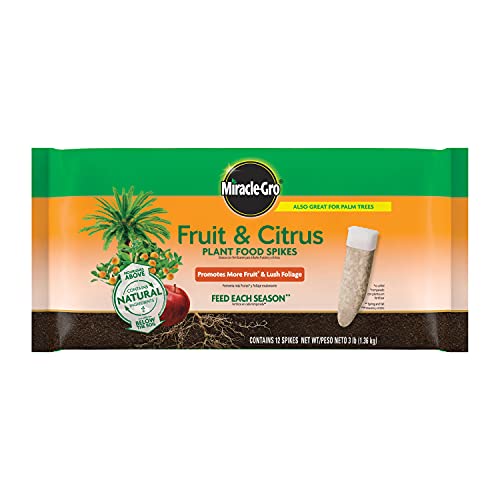
FORMULATED FOR CITRUS AND FRUIT TREES: Use these citrus fertilizer spikes on apple, orange, lemon, lime, and avocado trees; this formula is also great for feeding palm trees

🌿 Balanced 10-10-10 Granular Fertilizer for Outdoor & Indoor Plants: All-purpose plant food with 10% Nitrogen, 10% Phosphorus, and 10% Potassium. Perfect for outdoor vegetable gardens, fruit trees, evergreens, shrubs, lawns, and flowers. Also great for potted plants and indoor gardening. One solution for all your plant needs!
Organic Fertilizers
Organic fertilizers come from natural sources. They improve soil health over time, promoting beneficial microorganisms. Common examples include:
- Compost: Enriches soil with nutrients while improving texture.
- Manure: Provides essential nutrients and strengthens soil structure.
- Bone Meal: Supplies phosphorus, enhancing root development and flowering.
Synthetic Fertilizers
Synthetic fertilizers deliver nutrients quickly. They often contain specific ratios of nitrogen, phosphorus, and potassium, known as N-P-K ratios. Examples include:
- Granular Fertilizers: Easy to apply, these dissolve slowly for a steady nutrient supply.
- Liquid Fertilizers: Fast-acting solutions ideal for immediate nutrient uptake.
Slow-Release Fertilizers
Slow-release fertilizers gradually provide nutrients over time. They reduce the risk of nutrient leaching during heavy rain. Examples include:
- Pelleted Fertilizers: Coated granules that dissolve slowly, ensuring a consistent nutrient flow.
- Controlled-Release Fertilizers: Release nutrients based on soil temperature and moisture.
Foliar Fertilizers
Foliar fertilizers are applied directly to leaf surfaces. This method allows quick absorption of nutrients. Common types include:
- Liquid Nutrient Solutions: Effective for correcting deficiencies like iron or magnesium.
- Spray Fertilizers: Ideal for boosting nutrient levels during key growth phases.
Key Nutrients for Fruit Trees
Focusing on essential nutrients supports healthy growth. Fruit trees mainly require:
- Nitrogen: For lush foliage and overall tree vigor.
- Phosphorus: Critical for root development and flower production.
- Potassium: Enhances fruit quality and disease resistance.
Application Timing
Timing affects fertilizer effectiveness. Fertilize in early spring as trees begin to grow. A second application may be beneficial in late summer for certain varieties.
Conclusion (Not Included)
Incorporate these insights to optimize your fruit tree growth and yields.
Essential Nutrients for Fruit Trees
Fertilizing fruit trees requires an understanding of their nutritional needs. You can optimize fruit production by providing the right nutrients, which come in two categories: macronutrients and micronutrients.
Macronutrients
Macronutrients are vital for fruit tree health. These nutrients include nitrogen, phosphorus, and potassium, often represented as the N-P-K ratio on fertilizer packages.
- Nitrogen: Promotes leafy growth and overall vigor. Look for fertilizers high in nitrogen during the early growth phase.
- Phosphorus: Supports root development and flower production. Use phosphorus-rich fertilizers when your trees are preparing to flower.
- Potassium: Enhances fruit quality and increases resistance to disease. A potassium-heavy fertilizer is ideal as fruits begin to develop.
Timing your application of these macronutrients is crucial. Fertilize in early spring when trees wake from dormancy. Assess your trees’ growth and symptoms to determine if a mid-season application is necessary.
Micronutrients
Micronutrients, though needed in smaller quantities, are equally important for fruit trees. Common micronutrients include iron, manganese, zinc, and boron.
- Iron: Essential for chlorophyll production and overall plant health. Look for iron in soil tests to prevent deficiencies.
- Manganese: Supports photosynthesis and enzymatic functions. Apply manganese when you notice interveinal chlorosis in leaves.
- Zinc: Important for growth hormones and various metabolic processes. Use zinc-based fertilizers if you see stunted growth or poor fruit set.
- Boron: Aids in flower formation and fruit set. Ensure to apply boron in the correct amounts, as excess can harm trees.
Check the soil pH and nutrient availability to ensure proper micronutrient absorption. Incorporating a balanced fertilizer with micronutrients can help prevent deficiencies and promote healthy fruit tree growth.
Best Fertilizers for Fruit Trees
Selecting the right fertilizer for fruit trees enhances growth and increases yields. Consider the following types of fertilizers to optimize your tree’s health.
Recommended Products

Package contains 9 fruit and citrus fertilizer spikes and is produced to avoid wasteful runoff, mess, hazards and smells

Package contains 4 Pounds organic fruit and citrus fertilizer grains and is produced to avoid wasteful runoff, mess, hazards and smells
![𝐁𝐄𝐒𝐓𝐒𝐄𝐋𝐋𝐄𝐑 10-10-10 Plant Fertilizer Slow Release | 10 10 10 All Purpose Fertilizer for Fruit Trees, Evergreens, Vegetables, Arborvitae, Fig Trees, Shrubs, Pines, Oaks, Flowers [1 Quart]](https://m.media-amazon.com/images/I/51zxZ41jhBL._SL500_.jpg)
🌱 ALL-PURPOSE PLANT FOOD - Balanced 10-10-10 NPK fertilizer supports strong root development, lush foliage, and vibrant blooms for vegetables, flowers, trees, shrubs, and lawns.
Organic Fertilizers
Organic fertilizers boost soil health and provide nutrients gradually. They improve soil structure and promote beneficial microorganisms. Popular options include:
- Compost: Enriches soil and supplies a balanced mix of nutrients. Use well-decomposed compost around the base of the tree.
- Manure: Rich in nitrogen, it helps foliage grow robustly. Apply aged manure during the early spring.
- Bone Meal: High in phosphorus, it encourages root development and flowering. Mix it into the soil during planting or apply it in spring.
- Fish Emulsion: Provides a quick nutrient boost. Dilute it with water and apply it as a foliar spray or soil drench.
Applying organic fertilizers enhances nutrient retention and promotes a thriving ecosystem in your garden.
Synthetic Fertilizers
Synthetic fertilizers offer immediate nutrient availability, crucial for quick growth. Look for specific N-P-K ratios tailored to fruit trees. Effective types include:
- Balanced Fertilizers: Products like a 10-10-10 formula supply equal amounts of nitrogen, phosphorus, and potassium. Apply them in spring for overall tree health.
- High-Phosphorus Fertilizers: Products, such as a 5-10-5 formula, promote blooming and root strength. Use them when trees are budding.
- Slow-Release Fertilizers: Formulations designed to release nutrients gradually ensure a steady supply over time. Apply in early spring and enjoy sustained growth.
Use synthetic fertilizers according to the product instructions to prevent over-fertilization, which can harm your tree.
Application Methods
Applying fertilizer correctly to your fruit trees enhances growth and production. This process involves timing, frequency, and application techniques, ensuring that nutrients reach the trees effectively.
Recommended Products

【Unique Design Deep Root Tree Watering Tool】 Our root watering tool have four exit hole for the water,won't got clogged easily,It made of stainless steel,not rusting from the inside out.It can leave in the soil and is strong enough to drive through gravel,help your plants build a strong root system .

Made for Citrus Tree Plants – Formulated to support healthy growth for Citrus trees and other indoor plants.

Let Your Plants Thrive with Dack Root Feeder.It is one of the finest tool available for feeding and watering trees shrubs rose and other gardenplants.Root Feeding is the best method of guaranteeing that both fertilizer and water will reach the plants feeding zone.
Timing and Frequency
Fertilization timing plays a crucial role in fruit tree health. Fertilize in early spring as the trees begin active growth. This supports new leaf and flower development. Depending on your soil type and tree species, a second application in late summer may also benefit trees, particularly those that have higher nutrient demands.
Monitor your trees and soil conditions. Observe growth patterns and adjust your frequency based on symptoms like yellowing leaves or reduced fruit yield. Conducting soil tests every few years offers insights for refined fertilization schedules.
Techniques for Application
Several techniques exist for applying fertilizer effectively. Choose a method based on your chosen fertilizer type and tree size.
- Broadcasting: Spread granules evenly around the tree’s drip line, where roots absorb most nutrients. Make sure to keep it away from the trunk to prevent burn.
- Incorporating: Mix granules into the top few inches of soil to enhance nutrient uptake. This method is effective for both organic and synthetic fertilizers.
- Drip Application: Apply liquid fertilizers using a drip system. This allows for exact placement and reduces waste.
- Foliar Feeding: Spray diluted liquid fertilizers directly onto leaves for quick absorption. This method addresses immediate nutrient deficiencies.
- Stake and Water: Create small wells around the base of the tree. Place fertilizer in these wells and water thoroughly to help nutrients penetrate the root zone.
Using the right timing and techniques maximizes your fruit trees’ access to essential nutrients, promoting healthier growth and better yields.
Conclusion
Choosing the right fertilizer for your fruit trees is key to enjoying a bountiful harvest. By understanding the differences between organic and synthetic options and knowing the essential nutrients your trees need, you can make informed decisions that lead to healthy growth.
Remember to keep an eye on your trees and soil conditions. Timing your applications in early spring and possibly again in late summer can make all the difference. With a little care and the right fertilizer, you’ll be well on your way to enjoying delicious fruits straight from your garden. Happy gardening!
Frequently Asked Questions
What are the main nutrients required for fruit trees?
Fruit trees primarily need three macronutrients: nitrogen, phosphorus, and potassium. Nitrogen promotes leafy growth, phosphorus encourages root development and flowering, while potassium enhances fruit quality and disease resistance. Ensuring a balanced supply of these nutrients is crucial for optimal growth and yield.
How often should I fertilize my fruit trees?
Fertilization should generally occur in early spring, with a possible second application in late summer. This timing helps provide necessary nutrients during key growth periods. Monitoring the health of the trees and soil conditions can guide additional fertilization needs.
What is the difference between organic and synthetic fertilizers?
Organic fertilizers, like compost and manure, improve soil health and deliver nutrients gradually, enhancing microbial activity. Synthetic fertilizers offer quick nutrient availability through specific N-P-K ratios, making them effective for immediate growth needs. Choosing the right type depends on your gardening approach and tree needs.
When is the best time to apply fertilizer to fruit trees?
The best time to fertilize fruit trees is early spring, as trees are awakening from dormancy and beginning their growth cycle. A potential late summer application can also support continued growth and fruit development before the trees enter dormancy.
How do I ensure my fruit trees get the right nutrients?
Check your soil pH and nutrient availability regularly to assess what your trees need. Using balanced fertilizers that include both macronutrients and micronutrients, and following application guidelines, can help maintain healthy nutrient levels and prevent deficiencies.
What are foliar fertilizers, and when should I use them?
Foliar fertilizers are nutrient solutions applied directly to leaves for quick absorption. They are best used when trees show signs of nutrient deficiencies or during critical growth periods. Apply them when temperatures are cooler to enhance absorption without stressing the trees.
What application techniques should I use for fertilizing fruit trees?
Common application methods include broadcasting (spreading on the soil surface), incorporating into the soil, using drip applications, and foliar feeding. Creating wells around the tree’s base can also be effective for concentrated nutrient placement, ensuring better access to roots.
