

Have you ever wondered why some fruit trees produce bountiful harvests while others seem to struggle? You might be surprised to learn that a simple practice like pruning can make all the difference. It’s not just about keeping your garden neat; it plays a crucial role in the health and productivity of your trees.
Key Takeaways
- Promotes Healthy Growth: Pruning removes dead or diseased branches, allowing for improved air circulation, sunlight penetration, and the stimulation of new growth, leading to a healthier tree.
- Enhances Fruit Quality: By directing nutrients to vital fruit-bearing branches, pruning results in larger, sweeter fruits and makes harvesting easier by reducing overcrowding.
- Maintains Structure: Regular pruning helps shape the tree, keeping it manageable and facilitating better access for harvesting while promoting overall health.
- Timing is Crucial: The best time to prune fruit trees is early spring or late winter, to minimize stress and encourage vigorous growth as the growing season begins.
- Utilize Proper Techniques: Employ techniques such as thinning, heading back, and suckering with sharp, clean tools to ensure effective pruning and promote tree health.
- Avoid Common Mistakes: Be mindful of timing errors, over-pruning, and neglecting tree shape to maintain balance and maximize fruit production in your fruit trees.
Understanding Pruning
Pruning plays a crucial role in maintaining healthy fruit trees. It involves cutting away dead or overgrown branches to encourage new growth. Below are the key purposes of pruning:
Recommended Products

IDEAL BRANCH TRIMMER: 28" Steel blade garden bypass lopper that glides through up to 1.5" thick branches for easy cuts; Works well for trimming tree branches to maintain your yard and garden, and to encourage overall plant health and appearance

IDEAL BRANCH TRIMMER: Fiskars 28-Inch Power-Lever Bypass Garden Lopper glides through branches up to 1.75" thick for easy cuts; Works well for trimming tree branches to maintain your yard and garden and encourage overall plant health and appearance
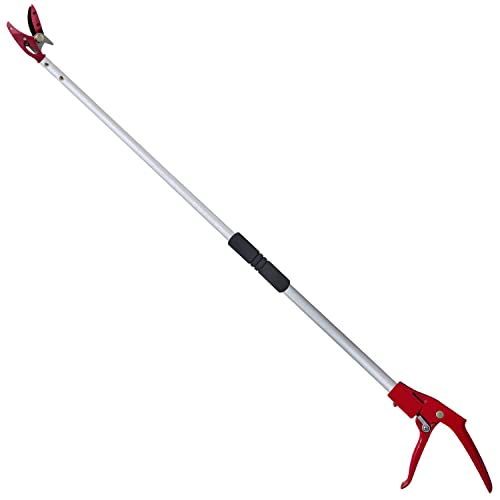
Professional long reach pruners, super lightweight but effective tree trimmer with 4 foot alloy aluminum pole, sturdy and quality construction, ideal for pruning on live branches, small trees, high thin stems and overgrown plants, even picking fruit, without having to bend and kneel, without climbing a ladder, easy low cut or reaching into dense/prickly bushes
Promoting Healthy Growth
- Encourages Air Circulation: Proper spacing helps sunlight reach all parts of the tree and reduces moisture, minimizing disease risks.
- Stimulates Fruit Production: Removing older branches allows for more energy to be directed toward new growth, increasing fruit yield.
Shaping the Tree
- Maintains Structure: Regular pruning shapes the tree, keeping it manageable and supporting its overall health.
- Facilitates Harvesting: A well-pruned tree is easier to harvest from, as branches are more accessible.
Managing Size
- Controls Height and Spread: Pruning keeps the tree at a manageable size, making it easier to maintain and protect.
- Prevents Overcrowding: It reduces competition for resources, allowing trees to thrive and produce better fruit.
Enhancing Quality
- Improves Fruit Quality: Pruning directs nutrients to fewer fruit-bearing branches, leading to larger, sweeter fruits.
- Reduces Pests and Diseases: Thinning out branches removes hiding spots for pests and disease, promoting healthier fruit.
Seasonal Considerations
- Timing Matters: Early spring or late winter is typically the best time to prune. This timing helps avoid shock and encourages vigorous growth as the weather warms.
- Pruning Shears: For small branches, choose sharp, clean shears.
- Loppers: Useful for medium-sized branches, they provide leverage and comfort.
- Saw: A handsaw may be necessary for larger limbs.
By understanding the purpose and techniques of pruning, you can effectively improve your fruit trees’ health and productivity.
Benefits of Pruning Fruit Trees
Pruning fruit trees offers numerous benefits that enhance their growth and the quality of their produce. Understanding these advantages helps you make informed decisions about your gardening practices.
Promoting Health and Growth
Pruning promotes health by removing dead or diseased branches. Cutting away these parts prevents the spread of disease and allows the tree to channel energy into healthy growth. Improved air circulation is another key benefit. Trees with plenty of space between branches receive more sunlight, which encourages even growth and reduces the risk of fungal infections.
Pruning also stimulates new growth by encouraging the development of lateral buds. When you cut back old wood, the tree responds by producing new shoots, leading to a fuller canopy. For optimal results, prune in early spring or late winter, just before the growing season starts. Using sharp, clean tools ensures clean cuts, promoting quicker healing.
Enhancing Fruit Quality
Pruning enhances fruit quality by directing nutrients to the most productive parts of the tree. By removing excess branches, you allow more sunlight to reach the remaining fruiting buds, resulting in larger, sweeter fruits. Additionally, a well-pruned tree can balance its fruit load better. Reducing overcrowding on branches prevents small, misshapen fruits and makes harvesting easier.
You can enhance the ripeness of your fruit by selectively pruning for sun exposure. Focus on branches that overhang others, allowing light to reach all the fruits on the tree. Regular assessment of the tree’s structure ensures it maintains a healthy balance between foliage and fruit production, maximizing quality and yield.
Timing and Techniques for Pruning
Understanding when and how to prune fruit trees enhances their growth and productivity. Proper timing and techniques maximize tree health and fruit quality.
Best Time to Prune
Pruning fruit trees during early spring or late winter is ideal. At this stage, trees are dormant, promoting minimal stress. For specific fruit tree types:
- Apple trees: Prune in late winter, just before new growth starts.
- Peach trees: Prune in late winter to ensure good airflow and sunlight exposure.
- Citrus trees: Prune after harvest in late winter or early spring.
Observing local climate conditions aids in determining the right timing. Generally, avoid pruning during frost periods or extreme heat, as this stresses the trees and can lead to damage.
Common Pruning Techniques
Effective pruning techniques streamline the process and enhance results. Use the following methods:
- Thinning: Remove select branches to improve air circulation and light penetration. Aim to thin out crowded areas without overdoing it.
- Heading Back: Cut back the tips of branches to stimulate new growth. This technique encourages bushier plants and more fruitful spurs.
- Suckering: Remove unwanted sucker growth from the base or branches. This diverts energy from flowering and fruiting.
- Crown Reduction: Reduce the height or spread of the tree for easier harvesting. Trim back to a lateral branch to maintain balance.
Using sharp, clean tools is essential for every pruning session. Tools like shears or loppers ensure clean cuts that heal quickly. Always remember to make cuts at a slight angle to prevent water accumulation and disease.
Common Mistakes in Pruning
Pruning fruit trees requires care and attention. Avoiding common mistakes ensures your trees stay healthy and productive.
Recommended Products

Seal & Protect Tree Wounds Fast: Thick 2X concentrated formula designed to coat and seal cuts, cracks, and bark damage. This tree wound sealer supports natural healing by creating a durable moisture-resistant layer. Works as a reliable tree wound dressing for pruning, storm recovery, or grafting.

PROTECTS PRUNED LIMBS: Tree & Shrub Pruning Seal Spray forms a waterproof protective seal over cuts and damaged areas to help guard trees and shrubs from insects and disease

Bleach-Alcohol free
Timing Errors
Misjudging when to prune can hinder growth. Pruning in late frost can expose fresh cuts to cold damage. Always check local frost dates before deciding to prune.
Cutting Too Much
Over-pruning weakens trees. Removing more than 20-30% of a tree’s canopy in a single year stresses the tree and impacts fruit production. Focus on removing dead or damaged branches, and thin out overcrowded areas gradually.
Poor Tool Maintenance
Using dull or dirty tools introduces diseases to your fruit trees. Ensure tools are sharp and sterilized before each use. Regular maintenance prevents infections and promotes clean cuts.
Wrong Cutting Technique
Improper cutting techniques can cause long-lasting damage. Always make cuts at a slight angle and just above a bud. Avoid leaving large stubs, as they can invite pests and disease.
Neglecting Tree Shape
Ignoring the natural shape of the tree leads to imbalances. Prune to maintain the tree’s shape, focusing on an open center for light exposure and air circulation. A well-shaped tree promotes even fruit ripening.
Inconsistent Pruning
Skipping years between pruning sessions does more harm than good. Implement a regular pruning schedule to maintain tree health. Consistency aids in long-term growth and yield.
Being mindful of these common mistakes enhances your fruit tree pruning efforts. Proper techniques improve overall health and increase fruit production, allowing you to reap the rewards of your hard work.
Conclusion
Pruning your fruit trees isn’t just about keeping them looking nice. It’s a vital practice that can lead to healthier trees and bigger, tastier fruit. By removing dead or overcrowded branches you’re allowing for better air circulation and sunlight exposure which helps your trees thrive.
Remember to prune at the right time and use the proper techniques to maximize growth. Avoid common mistakes like over-pruning or using dull tools to ensure your trees stay strong and productive. With a little care and attention your fruit trees will reward you with bountiful harvests for years to come. Happy pruning!
Frequently Asked Questions
Why is pruning important for fruit trees?
Pruning is crucial for fruit trees as it promotes health and productivity. By removing dead or overgrown branches, you encourage new growth, improve air circulation, and enhance sunlight exposure. This process leads to larger, sweeter fruits and increases overall fruit production.
When is the best time to prune fruit trees?
The ideal time to prune varies by tree type. Generally, late winter or early spring is best for most fruit trees. For instance, apple trees should be pruned in late winter, while citrus trees are best pruned after harvest.
What tools are recommended for pruning?
Essential tools for effective pruning include sharp shears, loppers, and saws. Utilizing clean and sharp tools ensures precise cuts, promotes quicker healing, and reduces the risk of introducing diseases to the tree.
What are common mistakes to avoid when pruning?
Common mistakes include pruning during late frost, over-pruning, and neglecting tool maintenance. It’s also crucial to avoid leaving large stubs, as they can attract pests. Understanding natural tree shape and maintaining a consistent pruning schedule is essential.
How does pruning affect fruit quality?
Pruning improves fruit quality by allowing the tree to focus nutrients on the most productive branches, leading to larger and sweeter fruits. It also maximizes sun exposure and air circulation, which are essential for optimal growth and ripeness.
