

Have you ever strolled through a park and noticed those beautiful linden trees? You might’ve admired their fragrant flowers, but did you know they bear fruit too? If you’re curious about what this fruit is called and what makes it unique, you’re in the right place.
Key Takeaways
- Linden Tree Overview: The linden tree, belonging to the Tilia genus, is recognized for its heart-shaped leaves and fragrant flowers that attract pollinators and produce linden honey.
- Fruit Identification: The fruit of the linden tree is known as “linden seeds,” which are small, heart-shaped, and encased in a leafy bract that aids in seed dispersion.
- Nutritional Benefits: Linden seeds are rich in essential fatty acids, protein, fiber, and vitamins, making them a valuable addition to various herbal remedies and diets.
- Culinary and Medicinal Uses: Linden seeds can be ground into flour, used in baking, added to salads, or steeped for herbal teas that offer calming properties and digestive support.
- Cultural Significance: Historically, linden seeds have been revered in traditional medicine and culinary practices, symbolizing peace, love, and connection in various cultures.
- Ecological Role: Linden trees enhance biodiversity by attracting pollinators and providing food sources for wildlife, underscoring their importance in natural ecosystems.
Overview of the Linden Tree
The linden tree, also known as the lime, belongs to the Tilia genus. It features heart-shaped leaves and is known for its smooth, light gray bark. You can find linden trees in both deciduous forests and urban areas.
Linden trees are famous for their fragrant flowers. These flowers bloom in late spring and release a sweet scent that attracts bees. The nectar from these blossoms is a primary source for making linden honey, which is prized for its flavor and health benefits.
The fruit of the linden tree appears after the flowers fade. Each fruit, called a “linden seed,” is small and heart-shaped, usually about 1 to 2 centimeters in length. These seeds develop within a leafy bract, which helps them glide through the air, enabling the seeds to disperse over longer distances.
When looking for linden trees, you may notice their height. Mature linden trees can grow up to 100 feet tall, making them prominent features in landscapes. Their broad canopy provides ample shade, beneficial for gardens and parks.
Understanding the linden tree helps appreciate its ecological role. The tree supports various wildlife, including insects, birds, and small mammals, fostering biodiversity in its environment.
Recommended Products

Austrian linden blossoms honey: Linden honey is raw and unfiltered from alpine Austrian blossoms; minty and subtly bitter - wild sourced with natural antioxidants and bee pollen; essential for gifts, holidays & daily treats

100% Pure Linden Honey: Smooth, unprocessed, unheated, and unfiltered honey harvested from the nectar of the blossoms of the small-leaved Lime (Tilia Cordata) tree in the Altai Mountain region

TEXTURE: Thick, elegant texture with tiny crystals that form naturally over time. Crystallization is a sign of pure, unadulterated honey and melts smoothly when spread on toast or added to tea or coffee
Characteristics of Linden Tree Fruits
Linden tree fruits, often referred to as linden seeds, possess unique traits that set them apart. Understanding these characteristics helps you appreciate their role in the tree’s life cycle.
Recommended Products
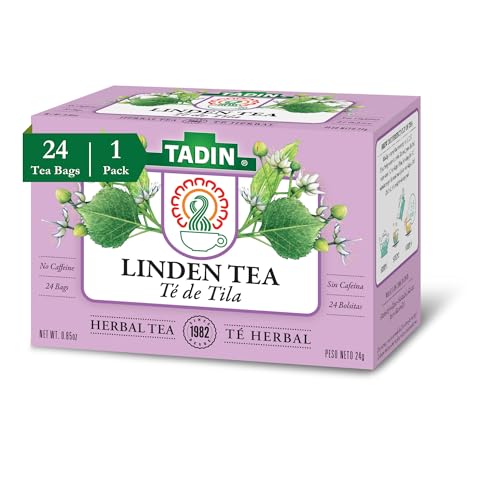
FLAVOR AND AROMA NOTES: Tadin’s linden flower tea blossoms with a light aromatic of honeysuckle. Chrysanthemum and subtle jasmine flavors mingle to create a sweet floral finish. Indulge in the delightful, soothing flavor in every sip.
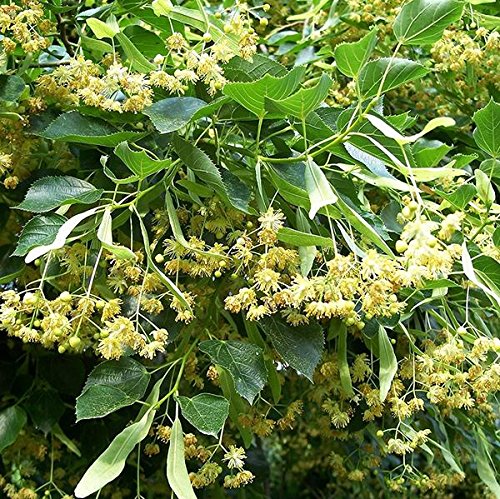
Premium quality native shade tree seeds package containing 2 American Linden Tree seeds. A stately deciduous tree with pale-yellow spring flowers and heart-shaped leaves for elegant street or yard plantings.

🌿 AUTHENTIC MEXICAN TILA | TILA MEXICANA AUTÉNTICA — Sourced from the high-altitude forests of Mexico, our Tila (Ternstroemia lineata) captures the pure essence of ancestral tradition. A premium loose-leaf blend of dried flowers and leaves. / Proveniente de los bosques de altura de México, nuestra Tila captura la esencia pura de la tradición ancestral. Una mezcla premium de flores y hojas secas.
Physical Description
Linden seeds are small, heart-shaped structures that typically measure about 0.5 to 1 inch in size. Each fruit consists of a seed encased in a smooth, greenish casing. After blooming, the fruits emerge in clusters that dangle from the tree. The most notable feature is the leafy bract attached to each seed. This bract acts like a wing, enabling the seeds to disperse through the air as they fall, promoting natural propagation. It’s common to find these seeds clustered together, which aids in their widespread distribution.
Nutritional Value
Linden seeds hold notable nutritional value. They contain essential fatty acids, protein, and fiber. These seeds may also be a source of vitamins, including B vitamins and vitamin E. Though not commonly consumed directly, linden seeds have been historically included in herbal remedies and teas, leveraging their potential health benefits. When fermented, they may be used to create nutritious flour or added to granola mixtures for extra texture and flavor.
Uses of Linden Tree Fruits
Linden tree fruits, commonly known as linden seeds, offer various practical uses that enhance both culinary and medicinal applications.
Recommended Products

Condition of Dried Linden Flowers Herbal Tea: a brand-new, boxed as depicted
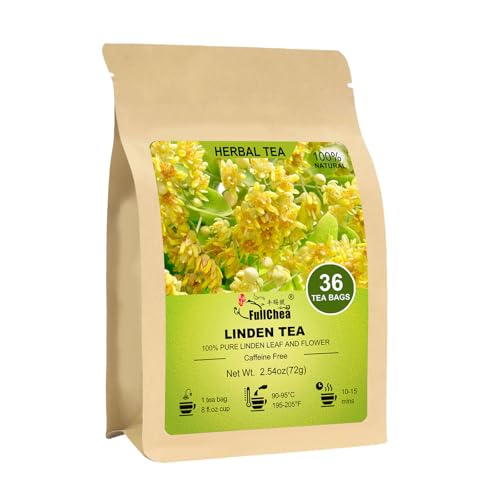
Premium Harvest: Our linden tea is crafted from sun-drenched linden flowers and leaves sourced from pristine woodlands. Each tea bag blends premium linden blossoms and nutrient-rich leaves, to deliver a pure herbal experience

24 tea bags for plenty of relaxing servings
Culinary Uses
Linden seeds serve as a unique ingredient in several culinary creations. You can grind them into flour to use in baking, providing a nutritious option for bread or pancakes. They add a nutty flavor and crunchy texture when sprinkled on salads or incorporated into granola mixes. For a refreshing drink, linden seeds can also be steeped to make herbal tea, infused with a mild, pleasant taste.
Medicinal Uses
Linden seeds have historical significance in herbal medicine. You can create soothing teas from linden seeds to alleviate minor ailments, such as colds and coughs. The seeds contain compounds that support digestive health and promote relaxation, making tea a calming beverage. Additionally, linden seeds have anti-inflammatory properties. Using them in topical preparations may aid in relieving skin irritations or discomfort.
Cultural Significance of Linden Fruits
Linden seeds hold a deep cultural significance across various societies. They’re celebrated for their role in traditional medicine and culinary practices.
Historical Uses
Historical texts date back centuries that mention linden seeds as herbal remedies. Various cultures valued the seeds for their calming properties. In folk medicine, they treat ailments, such as colds and anxiety.
Culinary Applications
Culinary traditions also embrace linden seeds. You can grind them into flour for baking or add them to salads for a crunchy texture. Steeping linden seeds creates a mild herbal tea, enjoyed for its soothing qualities.
Symbolism in Art and Literature
Linden trees often appear in art and literature, symbolizing peace and vitality. Their blooms represent love and connection, adding cultural depth to the unique fruit they produce.
Modern Use
In modern times, linden seeds continue to be used in health food products. They appear in granolas and energy bars, appealing to health-conscious consumers. Their nutritional value enhances meals while maintaining traditional significance.
Ecological Importance
Linden trees support local ecosystems by attracting diverse pollinators, including bees. Their fruits serve as a food source for wildlife, reinforcing their role in environmental sustainability.
Explore the broader cultural and ecological impacts of linden seeds to appreciate their importance fully.
Conclusion
Linden seeds are more than just a product of the beautiful linden tree. They hold a special place in culinary and medicinal traditions while supporting the environment around them. Whether you’re looking to experiment with new recipes or explore natural remedies, linden seeds offer a unique opportunity to connect with nature and enhance your well-being.
Next time you see a linden tree, take a moment to appreciate its contributions. From its fragrant flowers to its nutrient-rich seeds, this tree truly enriches our lives in many ways. So why not consider incorporating linden seeds into your diet or simply enjoy the shade of these magnificent trees?
Frequently Asked Questions
What are linden trees known for?
Linden trees, also called lime trees, are known for their fragrant flowers that attract bees. They can grow up to 100 feet tall and have heart-shaped leaves and smooth, light gray bark. These trees produce linden seeds after flowering, which have various ecological and culinary uses.
What do linden seeds look like?
Linden seeds are small, heart-shaped structures measuring about 0.5 to 1 inch. They are encased in a smooth, greenish covering and usually appear in clusters, each equipped with a leafy bract that helps with aerial dispersion.
Are linden seeds edible?
Yes, linden seeds are edible but not commonly consumed raw. They can be ground into flour for baking, sprinkled on salads, or steeped as a mild herbal tea. Historically, they have been used in herbal remedies for their health benefits.
What health benefits do linden seeds offer?
Linden seeds contain essential fatty acids, protein, and fiber, along with potential vitamins such as B vitamins and vitamin E. They have soothing properties and may help alleviate minor ailments like colds and coughs, as well as promote relaxation when used in teas.
How do linden trees benefit the ecosystem?
Linden trees play a crucial role in the ecosystem by attracting a variety of pollinators like bees and providing food for wildlife. They foster biodiversity and support insects, birds, and small mammals, contributing to a healthy environment.
What is the cultural significance of linden seeds?
Linden seeds have historical significance in traditional medicine and culinary practices across various cultures. They are noted for their calming properties and have been used in folk medicine, as well as in modern health food products like granolas and energy bars.
