

Are you looking to grow delicious raspberries right in your own backyard, but not sure where to start? Picture this: You’re eager to plant raspberries, but the process seems daunting with so much conflicting advice out there. How do you ensure your raspberry plants thrive and yield juicy fruits for years to come?
Key Takeaways
- Choose the right raspberry variety based on your preferred harvesting schedule and local climate conditions.
- Prepare the planting site with well-drained, loamy soil, adequate sunlight, and proper spacing for optimal raspberry growth.
- Plant raspberries in early spring or late fall, ensuring the soil is workable but not frozen, and follow specific planting techniques for success.
- Care for your raspberry plants by watering them properly, mulching to retain moisture, pruning for healthy growth, and managing diseases effectively.
Choosing the Right Raspberry Variety
When it comes to planting raspberries, selecting the right variety is crucial for ensuring a successful harvest. Here’s how you can make the best choice:
Recommended Products
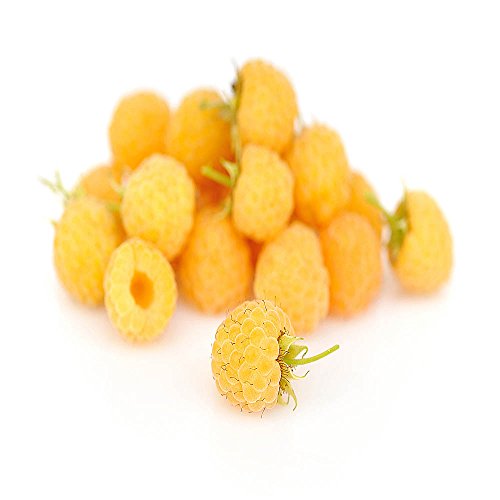
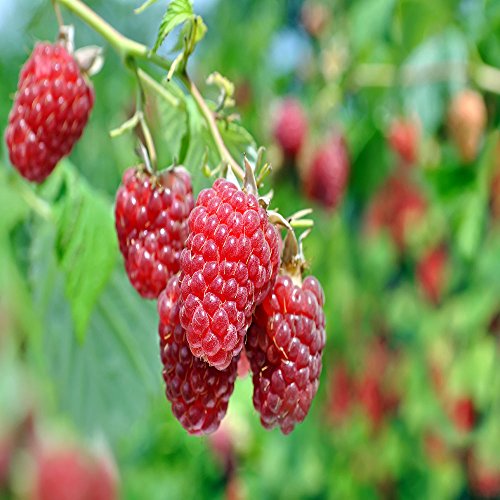
You will receive healthy bare root plants. We always send extra plants. We want to make sure you are completely satisfied.
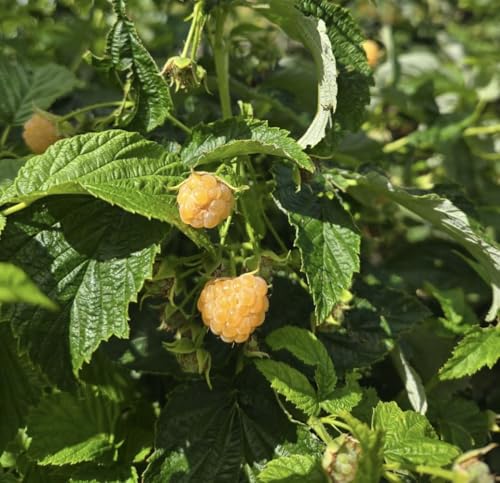
Fall Gold raspberry is an everbearing yellow variety known for its intense sweetness, often described as having hints of apricot or pineapple
Understanding Raspberry Types
Raspberries come in different types: everbearing, summer-bearing, and fall-bearing. Each type has its unique characteristics that influence when they bear fruit.
- Everbearing Raspberries: These varieties produce fruit twice a year – once in early summer and then again in the fall.
- Summer-Bearing Raspberries: They typically yield one large crop during the summer months.
- Fall-Bearing Raspberries: These varieties provide a late-season harvest, usually from late summer into fall.
Understanding these distinctions helps you plan your raspberry garden according to your preferred harvesting schedule.
Selecting Varieties Based on Climate
The climate plays a significant role in determining which raspberry varieties will thrive in your garden. Consider the following factors when choosing:
- Chill Hours: Some raspberry varieties require a certain number of chill hours (hours of cold temperatures) to set fruit properly. Make sure to select varieties that match the chill hours available in your region.
- Temperature Tolerance: Different raspberry varieties have varying tolerance levels to heat or cold. Ensure you choose ones that can withstand the typical temperatures of your area.
By selecting raspberry varieties suited to your local climate conditions, you’ll set yourself up for a bountiful harvest of delicious raspberries.
Preparing the Planting Site
When it comes to planting raspberries, preparing the planting site is crucial for their growth and productivity. Here are some essential steps to consider:
Recommended Products

Quick, at home results for Soil pH, Nitrogen, Phosphorous and Potash Innovative and inexpensive soil test kit features an easy-to-use capsule system and patented color comparators

Kindly NOTE: This soil tester can not be applied to test pH value of any other liquid. If the soil is too dry the indicator will not move, and water it before testing.

KNOW BEFORE YOU GROW | Grow the healthiest, sustainable lawn and garden with the most accurate and easy to use professional soil test kit on the market
Soil Requirements
For optimal raspberry growth, ensure the soil is well-drained and rich in organic matter. Raspberries thrive in loamy soil with a pH between 5.5 and 6.5. Conduct a soil test to determine its pH levels and nutrient content before planting.
To improve soil quality, incorporate compost or well-rotted manure into the top layer of the soil. This helps provide essential nutrients for the raspberry plants’ development. Avoid waterlogged areas as raspberries are susceptible to root rot in overly wet conditions.
Sunlight and Spacing Needs
Raspberries require ample sunlight to produce bountiful fruits. Choose a planting site that receives at least 6-8 hours of direct sunlight daily for optimal growth. Ensure there’s good air circulation around the plants to prevent diseases.
When spacing your raspberry plants, allow enough room between each plant for proper airflow and growth. Space red and yellow varieties about 2-3 feet apart in rows separated by 8 feet, while black varieties should be spaced slightly farther apart at 3-4 feet within rows separated by 10 feet.
By meeting these soil requirements, providing adequate sunlight, and spacing your raspberry plants correctly, you set them up for success in your garden.
Planting Techniques
When planting raspberries, it’s crucial to follow specific techniques to ensure optimal growth and fruit production. Here are some essential guidelines to help you plant your raspberry bushes successfully.
Best Time to Plant Raspberries
Plant raspberries in early spring or late fall when the ground is workable but not frozen. This timing allows the plants to establish themselves before the hot summer months while avoiding extreme cold that can harm young roots.
- Prepare the Soil: Choose a sunny location with well-drained, loamy soil that has a pH between 5.5 and 6.5. Ensure proper drainage by amending heavy soil with organic matter like compost.
- Spacing: Plant raspberry bushes 2-3 feet apart in rows with 8 feet between each row to allow for good airflow, which helps prevent diseases.
- Planting Depth: Dig a hole slightly larger than the root system of your raspberry plant and set it at the same depth as it was in its container.
- Watering: After planting, water thoroughly to help settle the soil around the roots.
- Mulching: Apply a layer of mulch around the plants to retain moisture, suppress weeds, and regulate soil temperature.
- Support Systems: Install trellises or stakes for support if growing trailing varieties of raspberries.
By following these planting techniques diligently, you’ll give your raspberry plants a strong start towards thriving and producing delicious fruits in your backyard garden.
Caring for Raspberry Plants
Taking care of your raspberry plants is crucial to ensure a bountiful harvest. Below are essential tips on watering, mulching, pruning, and disease management to help your raspberry bushes thrive.
Watering and Mulching
When caring for raspberries, proper watering is vital. Ensure your plants receive around 1-2 inches of water per week, especially during dry periods. Mulching can help retain moisture in the soil, suppress weeds, and regulate soil temperature. Apply a 2-3 inch layer of organic mulch like straw or wood chips around the base of the plants while keeping it away from direct contact with the stems.
Pruning and Disease Management
Pruning raspberry plants is necessary to promote healthy growth and increase fruit production. Remove dead or diseased canes in late winter or early spring before new growth appears. Thin out overcrowded canes to improve airflow and sunlight penetration.
To prevent diseases such as powdery mildew or gray mold, practice good garden hygiene by removing any fallen leaves or debris regularly. Consider applying fungicides if necessary but always follow the manufacturer’s instructions.
By following these care practices diligently, you’ll set your raspberry plants up for success and enjoy an abundance of delicious fruits from your backyard harvest.
Conclusion
Now that you’ve learned the ins and outs of planting raspberries, you’re equipped with the knowledge to kickstart your raspberry-growing journey. By following the recommended steps for selecting the right variety, preparing the planting site, and providing proper care, you’re on your way to a successful raspberry harvest. Remember to water diligently, apply organic mulch, prune dead canes when needed, and keep an eye out for common diseases. With these practices in place, you’ll soon be enjoying plump and juicy raspberries fresh from your own backyard. Happy planting!
Frequently Asked Questions
What are the main challenges of growing raspberries in a backyard?
Growing raspberries in a backyard can be challenging due to selecting the right variety, preparing the planting site properly, and managing common pests and diseases.
What guidelines should I follow when planting raspberries?
When planting raspberries, focus on timing, soil preparation, spacing, depth, watering schedule, mulching for insulation and weed control, and installing support systems like trellises or stakes.
How should I care for raspberry plants after planting?
After planting raspberries, provide regular watering to keep the soil consistently moist but not waterlogged. Mulch with organic materials to retain moisture and suppress weeds. Prune dead canes annually to promote new growth. Implement disease management practices like good garden hygiene to prevent issues like powdery mildew or gray mold.
Why is proper watering important for raspberry plants?
Proper watering is crucial for raspberry plants as it ensures consistent moisture levels in the soil essential for healthy growth and fruit production. Overwatering can lead to root rot while underwatering can result in stunted growth and poor fruit development.
How does mulching benefit raspberry plants?
Mulching benefits raspberry plants by retaining soil moisture, regulating temperature extremes, suppressing weed growth that competes with raspberries for nutrients and water, and providing organic matter as it decomposes to improve soil health over time.
