

Have you ever wondered where your favorite tropical fruit comes from? Passion fruit is a delightful treat, but you might be surprised to learn that it doesn’t grow on trees. Instead, this vibrant fruit comes from a climbing vine. If you’ve ever thought about growing it in your backyard or garden, you’re in for a treat.
Key Takeaways
- Passion fruit grows on a climbing vine (Passiflora edulis), not on trees, which is a common misconception.
- The fruit typically measures 2 to 4 inches in diameter, featuring edible pulp that is both tart and sweet, and is rich in vitamins A and C.
- Ideal growing conditions include full sun (6 to 8 hours daily), well-drained soil with a pH of 6.0 to 7.0, and temperatures between 70°F and 90°F.
- Regular care, such as consistent watering, fertilization every 4 to 6 weeks, and proper pruning, is essential for healthy growth and fruit production.
- Passion fruit vines can reach lengths of 10 to 15 feet quickly, requiring trellises or fences for support to thrive effectively.
Overview of Passion Fruit
Passion fruit, known for its unique flavor and aroma, comes from the Passiflora edulis vine. This tropical vine thrives in warm climates, producing fruit typically between 2 to 4 inches in diameter. The fruit’s skin can range from green to purple, depending on the variety.
You may wonder what makes passion fruit special. The edible pulp inside contains numerous seeds, offering both tart and sweet flavors. Passion fruit is a rich source of vitamins A and C, dietary fiber, and antioxidants, enhancing its nutritional value.
Cultivating passion fruit can be a rewarding endeavor. These vines need full sun and well-drained soil. When planting, ensure enough spacing for the vine to spread. Using trellises or fences encourages vertical growth, maximizing space in your garden. Regular watering and occasional fertilization will promote healthy growth and fruit production.
If you’re considering growing passion fruit, remember it prefers a warm climate and requires protection from frost. In cooler areas, it’s best to grow the vine in a pot that you can move indoors or to a sheltered location during chilly months. With proper care, you can enjoy fresh, home-grown passion fruit.
Recommended Products

The tart and sweet juicy pulp of the passion fruit can be eaten fresh or used in juices, smoothies, yogurt toppings, and pastry fillings, adding a unique tropical flavor to various recipes.

Exotic Tropical Flavor from Your Garden - Grow your own passion fruit vine with 400+ heirloom seeds, producing the iconic purple fruit with sweet-tart, aromatic pulp perfect for juices, desserts, and fresh eating.

Grow Exotic Golden Passion Fruit: Cultivate your own supply of unique Golden Passion Fruit from these 15 premium seeds. Enjoy the sweet, aromatic flavor of this tropical delicacy, perfect for fresh eating, juices, and desserts.
The Plant Structure of Passion Fruit
Passion fruit grows on a vigorous climbing vine, not a tree. Understanding its plant structure helps in cultivation and care.
Recommended Products

50 Premium Passion Flower Seeds: Discover the exotic beauty of passion flowers with our collection of 50 premium seeds. Grow these unique flowering vines that produce some of nature's most intricate and fascinating blooms.

USDA Zones: 6-11 (Perennial in 9-11, container in colder)

Hardy Outdoor Growth: Passiflora Caerulea Flower Seeds are suitable for outdoor planting, thriving in various climates and conditions.
Vines vs. Trees
Vines, like the passion fruit, differ significantly from trees. Vines possess long, flexible stems that require support to grow upward. Unlike trees that have a sturdy trunk, passion fruit vines thrive by climbing trellises, fences, or other structures. This climbing habit allows them to reach sunlight more effectively. You won’t see passion fruit forming a canopy like a tree; instead, these vines spread horizontally and vertically, producing fruits alongside their green foliage.
Growth Habits
Passion fruit exhibits unique growth habits. It grows rapidly, often reaching lengths of 10 to 15 feet within a single growing season. The vines develop tendrils that cling to nearby supports, enabling them to scale vertical spaces. Flowers appear in clusters, showcasing distinct white, purple, or lavender petals. Each flower, when pollinated, can produce a round fruit, typically measuring 2 to 4 inches in diameter.
To foster healthy growth, ensure your passion fruit has ample space and sunlight, ideally 6 to 8 hours daily. Regular watering promotes established root systems. Fertilizing every 4 to 6 weeks during the growing season enhances fruit production. By understanding these growth habits, you can create an environment for vigorous vines and bountiful harvests.
Cultivation of Passion Fruit
Growing passion fruit successfully requires an understanding of its needs and preferences. With the right care, your vines can thrive and produce a bountiful harvest.
Recommended Products

Fiberglass Material Raspberry Cross Stake System with 2 Cross-bars, Height Adjustable
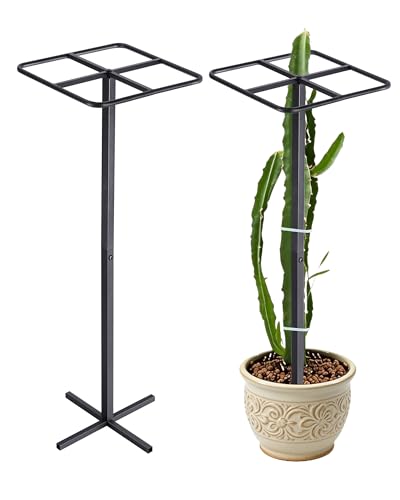
Square Top Design Unlike round trellis tops that let vines tangle together, our 4-section square top gives you four separate areas to train and separate your plants. This design improves air circulation and sunlight exposure while making pruning and harvesting easier.

Passionfruit Plant Live, Passion Fruit Plant, Yellow Passion Fruit Tree, Passion Fruit Tree Live Plant, Passionfruit Tree, Passionfruit Plant, Passionfruit Live Plant, Passion Fruit Plant Live, Passionfruit Vine Live Plant
Ideal Growing Conditions
Passion fruit vines thrive in warm environments and require specific conditions for optimal growth.
- Sunlight: Aim for 6 to 8 hours of direct sunlight daily. Full sun is crucial for flowering and fruiting.
- Soil: Use well-drained soil with a pH level between 6.0 and 7.0. Amend the soil with organic matter to improve drainage and nutrient availability.
- Temperature: The ideal temperature range is 70°F to 90°F. Protect the vines from temperatures below 32°F, as frost can damage them.
Consider planting your vines in a location with good air circulation to prevent disease. If your region experiences cooler winters, use pots for easy relocation indoors.
Care and Maintenance
Taking care of your passion fruit vines is important for healthy growth and fruit production.
- Watering: Water regularly to keep the soil moist but not soggy. During hot periods, check the soil moisture more frequently to prevent dehydration.
- Fertilization: Fertilize every 4 to 6 weeks during the growing season with a balanced fertilizer. Look for options high in potassium to promote fruit development.
- Pruning: Prune vines to encourage bushiness and remove any dead or diseased wood. This helps air circulation and light penetration, crucial for healthy growth.
Use trellises or fences for support as the vines grow. This setup encourages vertical growth, maximizing the space available in your garden.
Common Misconceptions
Misunderstandings about passion fruit occur often. Many believe that passion fruit grows on trees, but this isn’t accurate.
Does Passion Fruit Grow on Trees?
Passion fruit grows on a climbing vine, not on a tree. The Passiflora edulis vine thrives on support structures, using its tendrils to climb. This vine can reach lengths of 10 to 15 feet in a single growing season. Unlike trees, which have a defined trunk and branches, passion fruit vines exhibit flexibility in their growth pattern. They require trellises or fences for optimal growth.
Differences Between Vines and Trees
Vines and trees differ in several key ways:
- Growth Habits: Vines spread horizontally and vertically, while trees grow vertically with a central trunk.
- Support Needs: Vines require support structures to thrive, whereas trees stand freely without external support.
- Lifespan: Most vines are fast-growing with shorter lifespans compared to trees, which can live for decades or centuries.
- Space Utilization: Vines maximize vertical garden space, making them ideal for smaller areas, while trees typically require more ground space for roots.
Familiarizing yourself with these differences enhances your understanding of how to cultivate passion fruit successfully. Use this knowledge to create the best conditions for growing this delicious fruit in your garden.
Conclusion
Growing passion fruit can be a delightful addition to your garden. With its unique flavor and vibrant flowers it’s sure to catch your eye. Remember that these fruits thrive on a climbing vine and not a tree so you’ll need to provide the right support for them to flourish.
By giving your passion fruit plant plenty of sunlight and the right care you’ll be rewarded with delicious fruits that can elevate your culinary creations. So why not give it a try? Your garden will thank you and your taste buds will too. Happy gardening!
Frequently Asked Questions
What is passion fruit and where does it grow?
Passion fruit is the edible fruit of the Passiflora edulis vine, a tropical climbing plant. It thrives in warm climates and can be grown in gardens or backyards provided there is enough sunlight and support for the vine to climb.
How do I grow passion fruit?
To grow passion fruit, plant it in well-drained soil and ensure it receives 6 to 8 hours of direct sunlight daily. Use trellises for support and water regularly to keep the soil moist. Fertilize every 4 to 6 weeks during the growing season for optimal growth.
What are the ideal conditions for passion fruit cultivation?
Passion fruit prefers full sun, well-drained soil with a pH of 6.0 to 7.0, and protection from frost. Regular watering and fertilization are essential to support healthy growth and fruit production.
How tall can passion fruit vines grow?
Passion fruit vines can grow 10 to 15 feet long in a single growing season. They have long, flexible stems that require support, such as trellises or fences, to climb effectively.
What nutrients does passion fruit provide?
Passion fruit is rich in vitamins A and C, dietary fiber, and antioxidants. Its unique flavor combines tart and sweet, making it both delicious and nutritious.
How often should I water passion fruit plants?
Passion fruit plants should be watered regularly to keep the soil consistently moist. It’s important to avoid overwatering, as this can lead to root rot.
Can passion fruit be grown in cooler climates?
Yes, passion fruit can be grown in cooler climates by planting it in pots. This allows for easy relocation indoors or to a sheltered area during frosty months, protecting the vine from cold temperatures.
What are common misconceptions about passion fruit?
A common misconception is that passion fruit grows on trees. In reality, it grows on climbing vines, which require support to thrive and can spread both horizontally and vertically in gardens.
