

Pear trees thrive in Houston, TX, but managing humidity and drainage is crucial for their health. Proper care ensures robust growth and fruit production, preventing common issues like root rot and fungal diseases.
Humidity Management for Healthy Pear Trees
Humidity in Houston can impact pear tree health significantly. High humidity levels create a favorable environment for fungal diseases, which can lead to leaf spot and rot. It is essential to monitor humidity and take preventive measures to protect your trees.
Monitor humidity levels regularly using a hygrometer.
Implement proper spacing between trees to improve air circulation.
Apply fungicides as a preventive measure during high humidity periods.
Assessing Drainage Problems in Pear Trees
In Houston, TX, managing humidity and drainage is crucial for the health of pear trees. Assessing drainage problems is the first step in ensuring these trees thrive in the region’s unique climate. Understanding the signs of poor drainage can help prevent issues that may hinder growth and fruit production.
Drainage is a critical factor in pear tree management. Poor drainage can lead to waterlogged soil, which suffocates roots and promotes disease. Understanding how to assess and improve drainage will help maintain healthy trees.
Check soil texture to determine drainage capacity.
Inspect the planting site for low spots where water may collect.
Consider raised beds if drainage is consistently poor.
| Drainage Condition | Symptoms | Recommended Action |
|---|---|---|
| Poor | Yellowing leaves, wilting | Improve drainage with soil amendments |
| Moderate | Some leaf drop, stunted growth | Adjust watering schedule |
| Good | Healthy growth, fruiting | Maintain current practices |
Watering Strategies for Healthy Pear Trees
Effective watering strategies are crucial for maintaining healthy pear trees in Houston’s humid climate. Understanding the balance between adequate moisture and proper drainage can help prevent root rot and promote vigorous growth. This section explores various techniques to ensure your pear trees thrive despite the challenges posed by local weather conditions.
Proper watering techniques are essential for pear tree health. Overwatering can lead to root rot, while underwatering can cause stress. Establishing a balanced watering schedule is crucial.
Water deeply but infrequently to encourage deep root growth.
Use mulch around the base to retain moisture.
Adjust watering based on seasonal rainfall and humidity levels.
Soil Amendments for Pear Tree Health
To ensure the health and vitality of pear trees in Houston’s humid climate, proper soil amendments are essential. The right mix of organic matter and nutrients can significantly improve drainage and support healthy root development. Understanding the specific needs of pear trees will help gardeners create an optimal environment for growth and fruit production.
Soil amendments can enhance drainage and nutrient availability for pear trees. Choosing the right amendments will support healthy growth and fruit production.
Incorporate organic matter like compost to improve soil structure.
Add perlite or sand to enhance drainage in heavy soils.
Test soil pH and adjust with lime or sulfur as needed.
| Amendment Type | Purpose | Application Rate |
|---|---|---|
| Compost | Nutrient boost | 2-3 inches on topsoil |
| Perlite | Improve drainage | 10-20% of soil mix |
| Lime | Adjust pH | 5-10 lbs per 100 sq ft |
Pest and Disease Control for Pear Trees
Managing pests and diseases is crucial for the health of pear trees in Houston, where humidity can create a favorable environment for various threats. Understanding common pests and diseases, along with effective control measures, can help ensure your trees thrive despite the challenges posed by the local climate. This section outlines key strategies for protecting your pear trees.
Humidity increases the risk of pests and diseases affecting pear trees. Regular monitoring and proactive management are necessary to keep trees healthy.
Inspect leaves and fruit for signs of pests like aphids or pear psylla.
Use insecticidal soap or neem oil for pest control.
Prune affected areas to improve air circulation and reduce disease spread.
Recommended Products

READY-TO-USE CONTACT SPRAY: No mixing required. Thoroughly spray insecticide on all plant parts, including the underside of leaves. Pests must be sprayed directly to achieve control
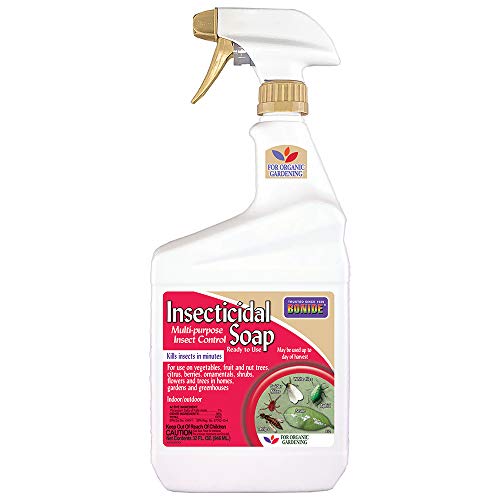
Captain Jack's Insecticidal Super Soap controls species of adelgid, ant, aphid, borer, caterpillar, spider mite, cricket, chinch bug, weevil, fly, thrip, and more

PEST DEFENSE - Insecticidal Super Soap controls species of adelgid, ant, aphid, borer, caterpillar, spider mite, cricket, chinch bug, weevil, fly, thrip, & more.
Optimal Pruning Schedule for Pear Trees
Pruning pear trees is essential for promoting healthy growth and maximizing fruit production, especially in the humid climate of Houston, TX. Understanding the optimal timing and techniques for pruning can significantly impact the overall health of your trees, ensuring they thrive despite the challenges posed by local weather conditions. This section outlines the best practices for pruning pear trees in this unique environment.
Pruning is vital for maintaining pear tree health and productivity. The timing of pruning can influence growth and fruit yield.
Prune during dormancy in late winter to early spring.
Remove dead or diseased branches to promote healthy growth.
Thin out crowded branches to enhance light penetration.
| Pruning Time | Benefits | Recommended Practices |
|---|---|---|
| Late Winter | Encourages spring growth | Focus on shape and health |
| Early Spring | Prepares for fruiting | Remove dead wood and thin |
| Summer | Controls size | Light pruning to maintain shape |
Humidity and Drainage Strategies for Pear Trees
Managing humidity and drainage is crucial for the health of pear trees in Houston, TX, where the climate can pose unique challenges. Understanding how to effectively balance moisture levels and ensure proper drainage will help cultivate robust trees that thrive in this environment. This section explores practical strategies tailored to the specific needs of pear trees in humid conditions.
Managing humidity and drainage is essential for pear tree success in Houston. Regular monitoring and proactive measures will ensure healthy trees and fruitful harvests.
Check humidity levels and adjust watering practices as needed. Implement soil amendments to improve drainage and nutrient availability. Monitor for pests and diseases, and prune at the right times for optimal growth.
Recommended Products

【Well Drainage】This succulent gritty mix is super well in water drainage, best for drought tolerant succulents and cactus, help your plants grow beautiful colors and also effective prevent rover water
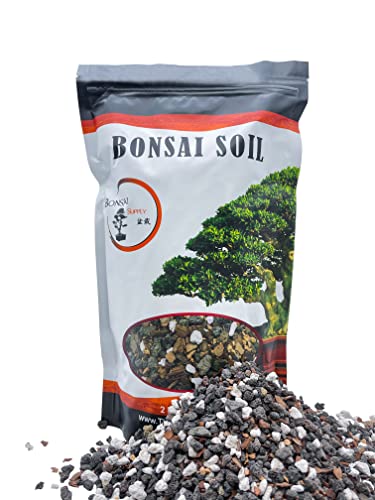
🌱【Ready-to-use Pre-mix】: Simplify repotting your Bonsai and other plants with our premium, fast-draining Bonsai potting soil mix. It comes pre-mixed and sifted for your convenience.

Feed the soil not the plants - stimulate microbial activity in your soil and boost probability of success with all types of plants… like composting but faster
