

Have you ever wondered what happens when you plant fruit trees too close together? It might seem like a great idea to maximize your garden space, but cramming them in can lead to some unexpected issues. Imagine watching your trees struggle to grow while competing for sunlight and nutrients—frustrating, right?
Key Takeaways
- Proper spacing between fruit trees is essential for healthy growth, optimal fruit production, and disease prevention.
- Factors such as tree type, mature size, soil quality, and climate significantly influence required spacing.
- Overcrowding leads to competition for sunlight, nutrients, and water, resulting in stunted growth and reduced fruit quality.
- Specific spacing guidelines exist for various fruit trees, such as 15-20 feet for apple and peach trees and 10-15 feet for citrus trees.
- Implementing best practices in soil preparation and planting techniques enhances the chances of successful growth and fruitful yields.
Understanding Fruit Tree Spacing
Planting fruit trees isn’t just about putting them in the ground. Spacing plays a crucial role in their growth and productivity. Proper spacing allows each tree to flourish without excessive competition.
Importance of Proper Spacing
Proper spacing between fruit trees ensures they receive enough sunlight, air circulation, and nutrients. Overcrowding leads to stunted growth and lowers fruit production. For example, apple trees typically need about 15 to 20 feet between them. This distance promotes a healthy environment, allowing each tree to access resources needed for optimal growth.
Factors Influencing Spacing Requirements
Spacing requirements vary based on several factors:
- Tree Type: Different fruit trees have varying growth habits. Dwarf varieties require less space, about 8 to 10 feet, while standard trees need much more.
- Mature Size: Consider the mature size of the tree. Larger trees like walnuts need ample room, while smaller trees, like peaches, can be planted closer together.
- Soil Quality: Fertile soil allows trees to grow larger and requires more space, while poorer soil may support closer planting but still limits growth.
- Climate: Trees in warmer climates need more space to prevent overheating and encourage transpiration.
Assess these factors when determining how far apart to plant your fruit trees. Make informed choices for a thriving garden.
Consequences of Planting Too Close Together
Planting fruit trees too close together creates several serious issues. Understanding these consequences ensures healthier, more productive trees.
Competition for Resources
Competition for resources becomes a major issue when trees are overcrowded. Trees vie for sunlight, water, and nutrients, which can stunt their growth. For example, when you plant two apple trees just 10 feet apart instead of the recommended 15 to 20 feet, they struggle to access sufficient sunlight. As a result, one tree may overshadow the other, leading to uneven growth and poor fruit yield. To promote optimal growth, plan your garden layout carefully, allowing enough space for each tree to thrive.
Increased Disease Risk
Increased disease risk accompanies closely planted trees. When trees are crowded, air circulation diminishes, creating a humid environment conducive to fungal infections and pests. For instance, if you plant peach trees too closely, the lack of airflow may foster peach leaf curl fungus, compromising tree health. Regularly monitor trees for signs of disease, and ensure proper spacing to maintain airflow and reduce disease risk.
Impact on Fruit Quality and Quantity
Impact on fruit quality and quantity emerges when trees compete for space. Overcrowded trees produce smaller fruits and fewer overall yields. If you plant citrus trees too close, they may not have enough energy to produce large, juicy fruits. Properly spaced trees, like those maintaining a distance of at least 10 feet, yield better fruit quality and quantity. Focus on spacing requirements specific to each fruit tree type, ensuring maximum production potential.
Recommended Spacing Guidelines
Proper spacing is vital for the health and productivity of fruit trees. Follow these guidelines to ensure each tree has enough room to thrive.
Recommended Products

Product Quantity: 180+ premium bonsai fruit seeds across 5 varieties; Individual packs contain 40+ apple, 40+ lemon, 40+ orange, 20+ blueberry, and 40+ cherry seeds; Perfect for starting a diverse miniature orchard
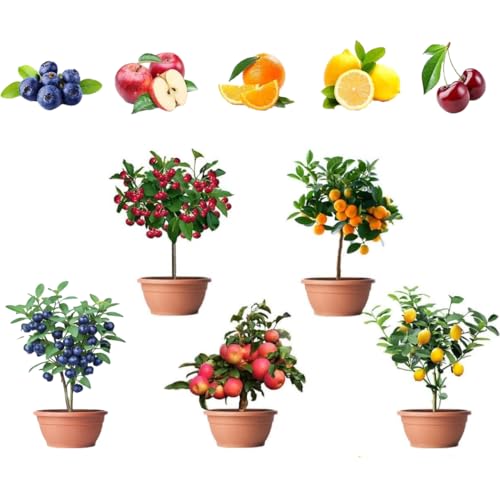
Variety Pack of 5 Fruits: Includes 40 Lemon seeds, 40 Orange seeds, 40 Apple seeds, 20 Cherry seeds, and 20 Blueberry seeds for a colorful and diverse home garden

4 kinds of the most popular fruits, individually packaged, 50pcs Lemon seeds 50pcs Cherry seeds 50pcs Orange seeds 50pcs Apple seeds Fresh seeds, all fruit seeds are packed in tear and moisture resistant zipper sealed bags for your long term storage.
General Guidelines for Common Fruit Trees
- Apple Trees: Space them 15 to 20 feet apart. This allows adequate sunlight and airflow, minimizing disease risk.
- Peach Trees: Place them 15 to 20 feet apart. Proper spacing promotes healthy fruit size and yield.
- Cherry Trees: Space sweet varieties 20 to 25 feet apart and sour varieties 15 to 20 feet apart. This ensures both air circulation and access to nutrients.
- Plum Trees: Position them 15 to 20 feet apart. This spacing helps maintain tree vigor and reduces competition for resources.
- Citrus Trees: Keep them 10 to 15 feet apart. This spacing encourages healthy fruit development and minimizes pest issues.
- Dwarf Fruit Trees: These require less spacing, often needing only 5 to 8 feet between them. They fit well in smaller gardens while still producing abundant fruit.
- Espalier Trees: If you’re training trees against a wall, keep them 4 to 5 feet apart. This method maximizes space while allowing proper airflow.
- Semi-Dwarf Trees: Space these trees 10 to 12 feet apart. They benefit from slightly tighter arrangements but still require space for growth.
- Disease-Prone Varieties: Increase spacing by 2 to 4 feet for varieties particularly susceptible to diseases. This helps improve airflow and reduces moisture accumulation.
Following these spacing guidelines enhances tree health and fruit production. Making informed planting decisions supports a flourishing fruit garden.
Best Practices for Planting Fruit Trees
Planting fruit trees involves several key considerations to ensure healthy growth and productivity. Proper soil preparation and planting techniques contribute significantly to successful results.
Recommended Products

Quick, at home results for Soil pH, Nitrogen, Phosphorous and Potash Innovative and inexpensive soil test kit features an easy-to-use capsule system and patented color comparators

Kindly NOTE: This soil tester can not be applied to test pH value of any other liquid. If the soil is too dry the indicator will not move, and water it before testing.

KNOW BEFORE YOU GROW | Grow the healthiest, sustainable lawn and garden with the most accurate and easy to use professional soil test kit on the market
Soil Preparation Tips
- Test Soil Quality: Test the soil pH and nutrient levels. Most fruit trees thrive in slightly acidic to neutral soil, with a pH of 6.0 to 7.0.
- Amend the Soil: Add organic matter, such as compost or well-rotted manure, to improve soil structure and fertility. Aim for a ratio of one part compost to three parts soil.
- Ensure Drainage: Check for proper drainage. Digging test holes can help identify how quickly water drains. If water sits for days, consider raising your planting area or incorporating sand.
- Clear Weeds: Remove all weeds and debris from the planting site. Weeds compete for nutrients and water, impacting tree growth.
- Loosen Soil: Loosen the soil to a depth of at least 12 inches. This promotes root penetration and encourages healthy growth.
- Choose the Right Time: Plant in early spring or fall when trees are dormant. Avoid planting during extreme heat or frost.
- Dig Properly Sized Holes: Dig holes that are about 2 to 3 times wider than the root ball. The depth should be equal to the root ball height.
- Position the Tree Correctly: Place the tree in the hole so that the root flare is slightly above ground level. This prevents water from pooling around the trunk, which can cause rot.
- Backfill Gently: Fill in around the roots with soil, gently packing it down to eliminate air pockets. Water the tree as you fill to help settle the soil.
- Mulch the Base: Apply a layer of mulch around the base, keeping it a few inches away from the trunk. This conserves moisture, suppresses weeds, and regulates soil temperature.
By following these best practices, you create a favorable environment for your fruit trees, enhancing their likelihood of thriving and producing a bountiful harvest.
Conclusion
Planting fruit trees with the right spacing is essential for their health and productivity. When trees are too close together they compete for vital resources which can stunt their growth and reduce fruit quality. You want each tree to have enough room to thrive and produce a bountiful harvest.
By following the recommended spacing guidelines and best practices, you can create a vibrant garden that not only looks great but also yields delicious fruits. Remember that a little planning goes a long way in ensuring your fruit trees flourish for years to come. Happy gardening!
Frequently Asked Questions
What problems arise from planting fruit trees too close together?
Planting fruit trees too close can lead to competition for sunlight, nutrients, and water, which stunts growth and reduces fruit yield. Overcrowded trees may also become more susceptible to diseases due to poor air circulation, fostering a humid environment that encourages fungal infections.
How much space do apple trees need?
Apple trees should ideally be spaced 15 to 20 feet apart. This spacing allows them to receive adequate sunlight, nutrients, and air circulation, which are essential for healthy growth and optimal fruit production.
What factors influence tree spacing requirements?
Tree spacing depends on several factors, such as the type of tree, its mature size, soil quality, and the local climate. Considering these aspects helps ensure each tree has enough resources to thrive and produce fruit.
What are the spacing guidelines for various fruit trees?
Spacing varies by tree type. For example, apple and peach trees should be 15 to 20 feet apart, sweet cherry trees should be 20 to 25 feet apart, and dwarf fruit trees only need 5 to 8 feet between them, making them ideal for smaller gardens.
How can I prepare my garden for planting fruit trees?
To prepare your garden, test the soil quality, amend it with organic matter, ensure proper drainage, and remove weeds. Planting in early spring or fall is recommended for optimal tree health and growth.
