

Have you ever planted an apple tree and wondered when you’ll finally get to enjoy those crisp, juicy fruits? You’re not alone. Many new gardeners share this excitement and impatience, eager to see their hard work pay off.
Key Takeaways
- Varietal Differences: Apple tree varieties differ in fruiting times; standard trees typically take 4-6 years, while dwarf varieties can bear fruit in 2-3 years.
- Optimized Growing Conditions: Soil quality, sunlight, water, and temperature significantly impact the time it takes for apple trees to fruit; ensuring optimal conditions can speed up production.
- Pruning Practices: Proper pruning techniques, such as timing and thinning branches, encourage healthy growth and quicker fruiting by improving sunlight exposure and airflow.
- Soil Management: Maintaining well-draining soil rich in organic matter and monitoring pH levels (ideally between 6.0 to 7.0) is essential for promoting the vitality and fruiting capacity of apple trees.
- Environmental Factors: Pests, diseases, and environmental stressors play significant roles in apple tree health; proactive management can mitigate these challenges and enhance fruit production.
- Early vs. Late-Bearing Varieties: Selecting early-bearing apple tree varieties can lead to quicker fruit yields, whereas late-bearing ones might offer specific flavors but require patience.
Factors Affecting Apple Tree Fruiting Time
Several factors influence how long it takes for an apple tree to produce fruit. Understanding these factors helps you manage expectations and care for your tree effectively.
Recommended Products

4 FRUIT VARIETIES – 100 SEEDS TOTAL: Includes 30 Apple Seeds, 30 Lemon Seeds, 30 Cherry Seeds, and 10 Banana Seeds, individually separated by variety for an exciting fruit-growing collection.

🌳 3-Pack Fruit Tree Bundle Includes live apple, blueberry, blackberry trees—perfectly paired for a diverse and productive backyard orchard.

Product Quantity: 180+ premium bonsai fruit seeds across 5 varieties; Individual packs contain 40+ apple, 40+ lemon, 40+ orange, 20+ blueberry, and 40+ cherry seeds; Perfect for starting a diverse miniature orchard
Tree Variety
Different apple tree varieties have varying maturation times. Standard apple trees generally bear fruit in 4 to 6 years, while dwarf varieties may do so in 2 to 3 years. Popular varieties include:
- Honeycrisp: Fruits in 3 to 5 years.
- Granny Smith: Fruits in 4 to 5 years.
- Fuji: Fruits in 5 to 6 years.
Select a variety that matches your timeline and gardening goals.
Growing Conditions
Growing conditions play a crucial role in fruiting time. Key elements include:
- Soil Quality: Well-draining soil rich in organic matter promotes healthy growth and earlier fruiting.
- Sunlight: Apple trees prefer full sun, which means at least 6 hours of direct sunlight each day. More sun encourages faster fruit development.
- Water: Consistent watering is vital, especially during dry spells. Deep watering helps roots grow strong, supporting quicker fruit production.
- Temperature: Apple trees thrive in temperatures between 75°F and 85°F during growing seasons. Extreme temperatures may delay fruiting.
By optimizing these conditions, you enhance your apple tree’s chance to bear fruit sooner.
Typical Timeline for Apple Trees
Understanding the typical timeline for apple trees helps you set proper expectations. The journey to fruit-bearing involves several key stages.
Standard Fruiting Ages
Standard apple trees typically start producing fruit between 4 to 6 years after planting. Varieties like Honeycrisp and Fuji follow this timeline. Dwarf apple trees bear fruit sooner, usually within 2 to 3 years. Varieties such as Gala and Dorset Golden fit this category. Choosing the right variety accelerates your wait time.
Early-Bearing vs. Late-Bearing Varieties
Early-bearing varieties offer fruit sooner than late-bearing ones. Early producers like Lodi and Gravenstein can yield fruit within 2 to 4 years. Late-bearing varieties, such as Granny Smith and Northern Spy, may take up to 6 years to bear fruit. Selecting an early-bearing variety suits those eager for quicker results, while late-bearing options might appeal to those seeking specific flavors and textures.
Care and Maintenance to Encourage Fruiting
Caring for your apple tree properly encourages healthy growth and faster fruit production. Focus on pruning techniques and soil management to maximize results.
Recommended Products

Quick, at home results for Soil pH, Nitrogen, Phosphorous and Potash Innovative and inexpensive soil test kit features an easy-to-use capsule system and patented color comparators
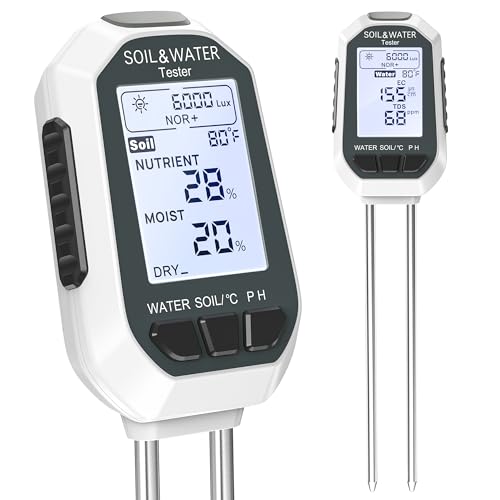
【7-in-1 Features】This is a 7-in-1 multi-function soil tester. Our soil tester quickly measures soil moisture, pH, temperature and light intensity, and its fertility function helps you take better care of your plants. With this device you can measure the soil moisture, pH, temperature and light intensity for your plants and with the EC and TDS functions you will know when it is time to water the soil.

Comprehensive Soil Analysis: Liquid soil test kits offer a comprehensive analysis of essential soil parameters, including pH, ammonia, nitrogen, phosphorus, and potassium. Having all these measurements in one kit provides a holistic understanding of the soil's fertility and health.
Pruning Techniques
Pruning promotes good airflow and sunlight exposure in your apple tree. Follow these steps:
- Timing Matters: Prune in late winter or early spring before new growth starts. This timing minimizes stress on the tree.
- Remove Deadwood: Cut off any dead or diseased branches. This action encourages the tree to direct energy toward healthy growth.
- Thin Out Branches: Remove overlapping branches to improve airflow. Aim for an open center to allow sunlight to penetrate.
- Shape the Tree: Maintain a balanced shape. Aim for a strong central leader with sturdy lateral branches.
- Don’t Overdo It: Avoid taking off more than 25% of the tree’s canopy in one season. Too much pruning can shock the tree.
Soil and Fertilization
Soil quality significantly affects the speed at which your apple tree bears fruit. Consider these factors:
- Assess Soil Type: Aim for well-draining soil with a balance of clay, silt, and sand. Loamy soil promotes healthy roots.
- Test Soil pH: Ideal pH for apple trees ranges from 6.0 to 7.0. Use a soil test kit to check levels and adjust if needed.
- Organic Matter: Incorporate compost or well-rotted manure to improve soil structure and fertility. Do this annually in early spring.
- Fertilizer Application: Use a balanced fertilizer, such as 10-10-10, in early spring. Follow the package instructions for application rates.
- Watering: Ensure consistent moisture, especially during dry spells. Aim for about 1 inch of water per week, adjusting based on rainfall.
By following these care guidelines, you position your apple tree for successful fruit production in a shorter time frame.
Common Challenges in Fruiting
Apple trees face various challenges that may delay or hinder fruiting. Understanding these obstacles helps you take action to promote healthy growth and fruit production.
Recommended Products

3-in-1 FORMULA: Aphid spray for outdoor plants for use on roses, flowers, shrubs and trees to control listed insects, disease and mites

3-IN-1 PLANT CARE: 3-In-1 Insect, Disease & Plant Mite Control provides insect control, disease control, and plant mite control all in one; Rainproof protection starts in 4 hours and lasts up to 14 days
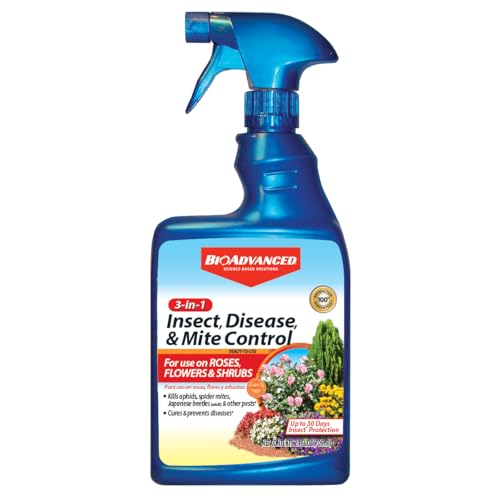
INSECT KILLER: Army worm killer. Also kills insects such as Aphids, Spider Mites, Japanese Beetles, Caterpillars, and other listed insects
Pests and Diseases
Pests like aphids, spider mites, and apple maggots threaten apple trees. These insects can damage leaves and fruit, leading to reduced yields. To combat these pests, you can use insecticidal soap or neem oil as organic solutions. Monitor your trees regularly for signs of infestation.
Diseases such as apple scab and fire blight affect fruit quality and tree health. Apple scab appears as dark spots on leaves, while fire blight causes wilting and blackened branches. To minimize disease risk, you can choose resistant apple varieties, ensure proper spacing for air circulation, and promptly remove infected leaves and branches.
Environmental Stressors
Environmental conditions also impact fruiting. Extreme temperatures, whether too hot or too cold, can stress your apple tree. If you’re in a region with fluctuating temperatures, consider choosing varieties suited for your climate.
Soil quality plays a key role. Poor drainage can lead to root rot. Test the soil for pH, aiming for a range of 6.0 to 7.0, and amend it with organic matter if necessary.
Watering practices matter as well. Overwatering or underwatering stresses the tree. Implement a consistent watering schedule based on the season. In summer, trees often require more water, while spring and fall may need less.
By addressing these common challenges, you can help your apple tree thrive and fruit successfully.
Conclusion
Growing an apple tree is a rewarding journey filled with patience and care. Understanding the timeline for fruiting helps you stay motivated as you watch your tree grow. Remember that with the right variety and proper care you can enjoy delicious apples sooner than you think.
By nurturing your tree and addressing any challenges that arise you’re setting yourself up for success. So keep tending to your apple tree and soon enough you’ll be rewarded with the fruits of your labor. Happy gardening!
Frequently Asked Questions
How long does it take for an apple tree to bear fruit?
Apple trees typically take 4 to 6 years to bear fruit if they are standard varieties. Dwarf varieties usually produce fruit within 2 to 3 years. Factors such as tree variety and growing conditions can influence the timeline.
What factors affect how soon an apple tree produces fruit?
The main factors include the variety of apple tree, soil quality, sunlight, water, and temperature. Proper care and optimal growing conditions are crucial for encouraging early fruit production.
What are the differences between early-bearing and late-bearing apple trees?
Early-bearing apple trees, like Lodi and Gravenstein, may yield fruit within 2 to 4 years. Late-bearing varieties, such as Granny Smith and Northern Spy, can take up to 6 years to produce fruit.
What care do apple trees need to encourage fruit production?
Regular care includes proper pruning, maintaining well-draining soil, testing soil pH, and applying balanced fertilizers. Consistent watering is also vital for healthy growth and quicker fruiting.
How do pests and diseases affect apple tree fruiting?
Pests like aphids and diseases such as apple scab can hinder fruit production. Managing these issues with organic solutions and selecting disease-resistant varieties can help maintain healthy trees.
Can I grow apples in any climate?
While apple trees adapt to various climates, they thrive best in temperate regions with cold winters and warm summers. Ensure your local climate matches the needs of your specific apple variety.
