

Have you ever wondered how long it takes for a mango tree to bear fruit? If you’re dreaming of enjoying fresh, juicy mangoes straight from your garden, you’re not alone. Many aspiring gardeners share this hope, eager to watch their trees grow and flourish.
Key Takeaways
- Maturity Duration: Mango trees take approximately three to five years to begin producing fruit, depending on the variety and growing conditions.
- Growth Stages: The process includes a juvenile stage where the tree focuses on root and foliage establishment before reaching maturity for flowering and fruiting.
- Climatic Needs: These trees thrive in warm, tropical climates with temperatures between 70°F to 100°F; frost can significantly delay fruit production.
- Soil Quality: Well-drained, sandy loam soil with a pH of 5.5 to 7.5 is essential for the healthy growth of mango trees and successful fruiting.
- Varietal Influence: Different mango varieties and whether the tree is grafted or grown from seed can affect the timeline for fruit production.
- Care Practices: Consistent watering, fertilization, pruning, and pest control are crucial for promoting healthy growth and ensuring a fruitful harvest.
Overview of Mango Trees
Mango trees belong to the Anacardiaceae family and thrive in tropical and subtropical climates. They can grow up to 100 feet tall and may take several years before producing fruit.
Growth Stages
- Planting Stage: Choose a sunny area with well-drained soil. Start with a healthy mango seed or grafted sapling.
- Juvenile Stage: For the first few years, the tree focuses on establishing roots and foliage. During this period, you won’t see any fruits.
- Maturity Stage: After three to five years, the tree reaches maturity and begins fruit production.
Factors Affecting Fruit Production
- Climate: Mango trees require warm temperatures to flourish. They produce best in areas with a dry season.
- Soil Quality: Well-drained, sandy soil promotes healthy growth. Heavy clay soils can hinder development and fruiting.
- Watering Needs: Young trees need consistent watering; mature trees require less frequent watering but still thrive with summertime irrigation.
- Pruning: Regular pruning encourages healthy growth and allows better sunlight penetration. Aim to prune during the dry season.
- Fertilization: Use a balanced fertilizer in the early spring to promote growth. Fertilizing too frequently can damage roots.
- Pest Control: Monitor for pests like mealybugs or scale insects. Regular inspections and organic insecticides can help mitigate issues.
Factors Influencing Fruit Production
Several factors determine how long it takes for a mango tree to produce fruit. Understanding these factors can help you cultivate healthy, fruit-bearing trees.
Recommended Products

Kindly NOTE: This soil tester can not be applied to test pH value of any other liquid. If the soil is too dry the indicator will not move, and water it before testing.

KNOW BEFORE YOU GROW | Grow the healthiest, sustainable lawn and garden with the most accurate and easy to use professional soil test kit on the market

✅ 1Dial & 1 LCD Screen - Replace/install all 3 batteries each time. Put button to %RH/°F to - Turn On, and put to LIGHT to - Turn Off. Read the LCD results in 3-5 mins. (Not Water Moisture Meter, so, please don't test liquid)
Climate Requirements
Mango trees thrive in warm climates. They prefer temperatures between 70°F to 100°F. Frost can damage the tree, delaying fruit production. In cooler climates, plant mango trees in sheltered areas or use protective coverings during cold spells. Consistent sunlight, around eight to ten hours daily, boosts growth and fruiting.
Soil Conditions
Soil quality impacts mango tree health and productivity. Well-drained, sandy loam with a pH between 5.5 and 7.5 is ideal. Poorly drained soil can lead to root rot, stunting growth. Conduct a soil test to assess nutrient levels. Incorporate organic matter, like compost, to improve soil structure and nutrition.
Varietal Differences
Different mango varieties produce fruit at varying rates. For instance, the ‘Haden’ variety may bear fruit in three to four years, while the ‘Tommy Atkins’ can take up to five years. Research the specific variety you plan to grow for better expectations on fruit production timelines. Additionally, grafted trees often produce fruit sooner than seed-grown trees, typically within three years of planting.
Timeline for Mango Trees to Produce Fruit
Mango trees generally take a few years to produce fruit, but certain factors affect the timeline. Understanding these stages helps manage expectations and care routines for the trees.
Recommended Products

Let our professionally formulated plant food help your fruit tree grow healthy, strong AND abundantly producing
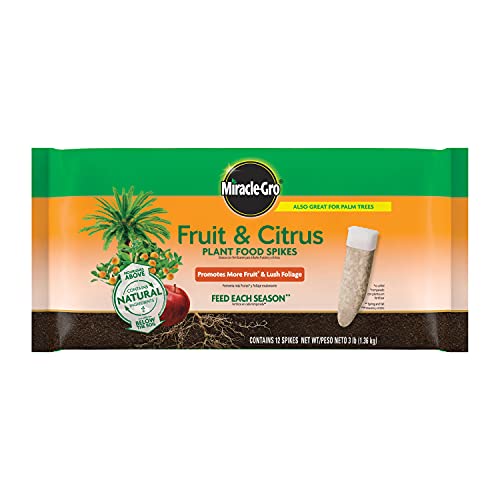
FORMULATED FOR CITRUS AND FRUIT TREES: Use these citrus fertilizer spikes on apple, orange, lemon, lime, and avocado trees; this formula is also great for feeding palm trees

Comes in 5 lb. bag of granules
From Planting to Flowering
Mango trees usually require three to five years from planting to flower. During the first year, focus on establishing strong roots and fostering healthy foliage. Regular care, including adequate watering and proper fertilization, enhances growth. By the third year, many trees develop flowers.
Different mango varieties might impact timing; for example, grafted trees can flower as early as 2 years after planting. If conditions are optimal, some trees may even surprise you with early blossoms.
Flowering to Fruiting
Once flowering occurs, expect fruit to develop approximately three to four months later. The transition from flowering to producing fruit involves pollination, which is often facilitated by bees and other insects.
After pollination, small mango fruits begin to form. The maturation process typically takes another four to six months, depending on specific tree conditions and variety. You’ll see fruit starting to change color when ripe, indicating harvest time. Proper care during this period is crucial for the health and quality of the mangoes you’ll enjoy.
Understanding this timeline equips you for better management of your mango trees, ensuring that when the time comes, you’ll be ready for a fruitful harvest.
Care and Maintenance Practices
Proper care and maintenance practices are crucial for mango trees to thrive and produce fruit. Focusing on watering, fertilization, pruning, and pest control ensures your tree grows strong and healthy.
Recommended Products
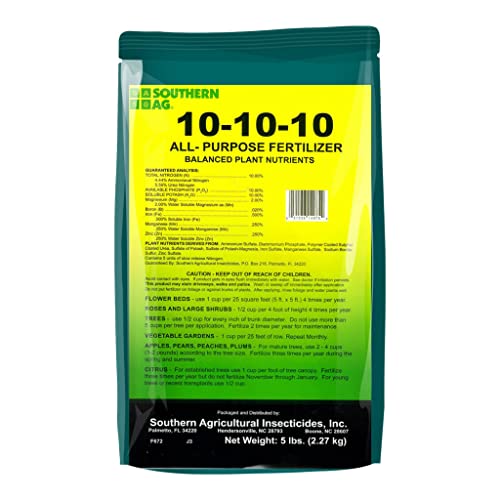

Let our professionally formulated plant food help your fruit tree grow healthy, strong AND abundantly producing

Package contains 4 Pounds organic fruit and citrus fertilizer grains and is produced to avoid wasteful runoff, mess, hazards and smells
Watering and Fertilization
Watering requirements for mango trees vary by age and climate. Young trees benefit from watering twice a week, especially during dry spells. Once established, reduce watering to once a week or as needed. Always check the soil moisture before watering; mango trees prefer well-drained soil and do not tolerate standing water.
Fertilization supports healthy growth and fruit production. Begin fertilizing in early spring using a balanced fertilizer, such as 10-10-10, every two months until fall. As the tree matures, switch to a fertilizer higher in potassium and phosphorus to boost fruit development. For existing mango trees, apply mulch around the base to retain moisture and prevent weeds.
Pruning and Pest Control
Pruning aids in shaping mango trees and improving air circulation. Start pruning when the tree is young, removing any dead or diseased branches. Aim to create an open canopy to allow sunlight to reach all parts of the tree. This practice not only promotes healthier foliage but also enhances flowering and fruiting.
Pest control protects your mango tree from common threats like aphids, scale insects, and fruit flies. Regularly inspect the leaves and fruit for signs of infestation. Use organic insecticidal soap or neem oil as effective treatments. Additionally, removing fallen fruit and debris around the tree discourages pests and diseases from establishing.
Conclusion
Growing your own mango tree can be a rewarding journey. While it may take three to five years for your tree to start bearing fruit patience is key. With the right care and attention you can create the perfect environment for your mango tree to thrive.
Remember to focus on watering fertilizing and pruning to support healthy growth. You’ll soon find that the wait is worth it when you finally get to enjoy the sweet taste of fresh mangoes right from your garden. Happy gardening and may your mango tree flourish!
Frequently Asked Questions
How long does it take for a mango tree to bear fruit?
Mango trees typically take three to five years from planting to start bearing fruit. Grafted trees may produce fruit even sooner, within about two years.
What conditions do mango trees need to thrive?
Mango trees thrive in tropical and subtropical climates with warm temperatures between 70°F to 100°F. They prefer well-drained sandy loam soil with a pH of 5.5 to 7.5.
How often should I water mango trees?
Young mango trees should be watered twice a week, while established trees require less frequent watering. Always ensure the soil is well-drained.
What type of fertilizer is best for mango trees?
Begin fertilizing mango trees in early spring with a balanced fertilizer. As they mature, switch to a fertilizer higher in potassium and phosphorus to promote fruit growth.
How can I control pests on my mango trees?
To control pests on mango trees, use organic insecticidal soap or other natural remedies. Regular monitoring and early intervention are key to preventing infestations.
Is pruning necessary for mango trees?
Yes, pruning is essential for mango trees. It helps improve air circulation, encourages healthy growth, and can enhance fruit production when done properly.
When is the best time to plant a mango tree?
The best time to plant a mango tree is during the warm season, typically in spring, when the risk of frost has passed and temperatures are consistently warm.
Do different mango varieties produce fruit at different times?
Yes, different mango varieties have varying timelines for fruit production. Grafted mango trees generally bear fruit sooner than those grown from seeds.
