

Are you dreaming of a lush backyard filled with fruit trees? If you live in zone 8a, you’re in luck! This climate zone offers a fantastic range of options for growing delicious fruits right at home.
Imagine stepping outside to pick fresh peaches or plump figs from your own garden. With the right choices, you can enjoy a bountiful harvest each season. This article will guide you through the best fruit trees suited for your zone, helping you create the garden of your dreams. Whether you’re a seasoned gardener or just starting out, you’ll find valuable tips to make your fruit tree journey a success.
Key Takeaways
- Ideal Climate: Zone 8a features a temperate climate with a long growing season, perfect for cultivating a variety of fruit trees.
- Top Fruit Choices: Recommended fruit trees for zone 8a include heat-tolerant apple and pear varieties, as well as figs, pomegranates, and Asian persimmons.
- Planting Tips: Plant trees in early spring after the last frost and ensure they have well-draining soil to promote root establishment.
- Proper Spacing: Space trees adequately (e.g., 15-20 feet apart for standard trees) to enhance air circulation and reduce disease risk.
- Water and Care: Maintain a consistent watering schedule, prune regularly for health and productivity, and monitor for pests to ensure thriving trees.
- Fertilization: Use a balanced fertilizer during the growing season to support healthy growth and maximize fruit yield.
Overview of Zone 8a
Zone 8a experiences a temperate climate, with average annual minimum temperatures ranging from 10 to 15 degrees Fahrenheit (-12 to -9 degrees Celsius). This zone typically enjoys a long growing season, extending from mid-spring through early fall. With an average last frost date around mid-April and the first frost occurring in late November, you can maximize your fruit tree selection.
Soil in zone 8a varies but generally drains well and supports various crops. Moisture levels are moderate, making it essential to monitor watering. Adjusting your irrigation can help maintain healthy trees.
When choosing fruit trees, consider the potential for heat stress during summer months. Select trees that can tolerate higher temperatures while thriving in areas with full sunlight. Additionally, ensure your trees get adequate air circulation to minimize disease risk.
Many popular fruit tree varieties, including peaches, figs, apples, and plums, thrive in this climate. Each of these fruit trees benefits from the warm temperatures and plentiful sunshine found in zone 8a. By selecting the right varieties, you can cultivate a fruitful garden and enjoy delicious harvests.
Top Fruit Trees for Zone 8a
Zone 8a offers a rich environment for growing a variety of fruit trees. Selecting the right trees maximizes your harvest and enhances your garden’s beauty and productivity.
Recommended Products

35 Premium Pear Tree Seeds: Start your own home orchard with our collection of 35 premium pear seeds. Grow these classic fruit trees that will provide delicious, sweet pears for fresh eating, canning, and baking
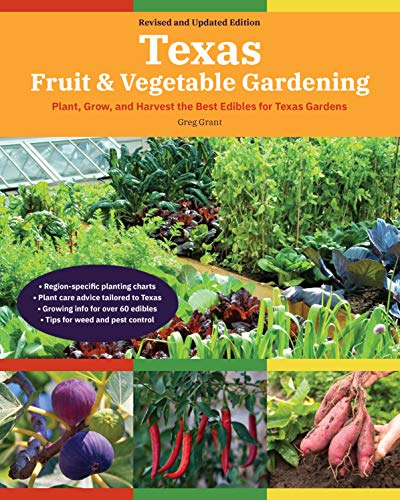

🌳 3-Pack Fruit Tree Bundle Includes live apple, blueberry, blackberry trees—perfectly paired for a diverse and productive backyard orchard.
Apple Trees
Apple trees thrive in zone 8a, particularly the heat-tolerant varieties. Consider planting ‘Anna’ or ‘Dorsett Golden’ apples. Both types bear sweet, delicious fruit and tolerate warmer temperatures. Plant them in well-draining soil and ensure they get plenty of sunlight. Consider spacing trees 15-20 feet apart for optimal air circulation. Regular pruning encourages healthy growth and fruit production.
Pear Trees
Pear trees also flourish in zone 8a. Popular varieties include ‘Bartlett’ and ‘Kieffer.’ These trees yield juicy, flavorful pears and adapt well to the regional climate. Ensure they are planted in fertile soil with good drainage. Like apple trees, pear trees prefer full sun and need adequate space—about 12-15 feet between each tree. Regular watering during dry spells is essential for maximizing fruit quality.
Fig Trees
Fig trees, particularly ‘Brown Turkey’ and ‘Celeste,’ thrive in the warm climate of zone 8a. They produce sweet fruits that require minimal intervention. Plant your fig trees in a sunny spot with well-drained soil. Space them at least 10 feet apart to allow for their natural growth. Water during prolonged dry periods but avoid waterlogging to ensure healthy roots. Enjoy fresh figs straight from the tree during late summer.
Lesser-Known Fruit Trees for Zone 8a
Zone 8a also supports a variety of lesser-known fruit trees, adding unique flavors to your garden. Consider these excellent options:
Recommended Products

You will receive 1 live Pomegranate tree, 8–10 inches tall, growing in a 4" pot


Pomegranates need full sun (6 to 8 hours of sunlight) and well-drained soil.
Pomegranate Trees
Pomegranate trees thrive in zone 8a’s climate, offering vibrant fruit that packs a flavorful punch. These trees grow well in full sun and require well-draining soil. Plant them in a sheltered area to protect against strong winds. The ‘Wonderful’ variety stands out for its juicy, red fruit and ornamental flowers. Pomegranates typically start producing fruit within 2-3 years. To maximize yield, prune annually to maintain shape and promote airflow. Watch for pests like aphids and treat with organic insecticides if necessary.
Asian Persimmon Trees
Asian persimmon trees, specifically varieties like ‘Fuyu’ and ‘Jiro,’ adapt well to zone 8a and provide a sweet, honey-like flavor. These trees prefer well-drained, sandy soil with good sun exposure. Similar to pomegranates, they tolerate heat well and can withstand dry conditions once established. It’s best to plant them in late winter or early spring for optimal growth. Expect fruit production around 3-4 years after planting. Keep them pruned to manage size and boost fruit production while ensuring they receive adequate water throughout the growing season.
Tips for Growing Fruit Trees in Zone 8a
Recommended Products

FORMULATED FOR CITRUS AND FRUIT TREES: Use these citrus fertilizer spikes on apple, orange, lemon, lime, and avocado trees; this formula is also great for feeding palm trees

Made for Lemon & Citrus Trees – Formulated to support healthy growth in lemon and citrus plants.

Package contains 4 Pounds organic fruit and citrus fertilizer grains and is produced to avoid wasteful runoff, mess, hazards and smells
Choose the Right Varieties
Select heat-tolerant fruit tree varieties. Popular choices for zone 8a include:
- Apple trees: ‘Anna’ and ‘Dorsett Golden’
- Pear trees: ‘Bartlett’ and ‘Kieffer’
- Fig trees: ‘Brown Turkey’ and ‘Celeste’
- Pomegranate trees: ‘Wonderful’
- Asian persimmons: ‘Fuyu’ and ‘Jiro’
Plant at the Right Time
Plant your fruit trees in early spring after the last frost. This timing allows trees to establish roots before the heat of summer.
Ensure Well-Draining Soil
Test your soil to confirm good drainage. Amend heavy soils with organic matter to improve aeration. Aim for a pH between 6.0 and 6.8 for optimal fruit growth.
Provide Adequate Space
Space trees according to their size. For example:
- Dwarf trees: 6-8 feet apart
- Standard trees: 15-20 feet apart
Proper spacing improves air circulation and reduces disease risk.
Water Wisely
Water newly planted trees deeply to encourage root development. Established trees need about 1 inch of water per week, adjusting during dry spells.
Prune Regularly
Prune annually to promote healthy growth and maximize fruit production. Remove dead or crossing branches, and thin out crowded areas to enhance sunlight exposure.
Monitor for Pests
Check your trees regularly for signs of pests or diseases. Early detection makes management easier. Employ organic pest control methods whenever possible.
Fertilize Appropriately
Use a balanced fertilizer during the growing season. Follow the product instructions for application rates. Fertilization supports healthy foliage and fruit development.
Following these guidelines helps ensure a thriving fruit tree garden in zone 8a. Enjoy the process of growing your own delicious fruits.
Conclusion
Growing fruit trees in zone 8a can be a rewarding experience. With the right choices and care you can enjoy a bountiful harvest of sweet and juicy fruits right from your backyard.
Whether you opt for classic apples and pears or venture into the unique flavors of pomegranates and persimmons there’s something for every palate. Just remember to provide them with the proper sunlight soil and water to thrive.
So get started on your fruit tree journey and soon enough you’ll be savoring the delightful taste of homegrown goodness. Happy gardening!
Frequently Asked Questions
What fruit trees can I grow in zone 8a?
You can grow a variety of fruit trees in zone 8a, including apple, peach, pear, plum, fig, pomegranate, and Asian persimmon. Select heat-tolerant varieties such as ‘Anna’ and ‘Kieffer’ for best results.
When is the best time to plant fruit trees in zone 8a?
The ideal time to plant fruit trees in zone 8a is early spring, after the last frost. This timing allows trees to establish roots before the growing season begins.
How often should I water my fruit trees in zone 8a?
For newly planted trees, deep watering is essential. Established trees typically need about 1 inch of water per week. Adjust your watering based on rainfall and soil conditions to maintain moderate moisture levels.
What type of soil is best for fruit trees in zone 8a?
Fruit trees in zone 8a thrive in well-draining soil with a pH between 6.0 and 6.8. Ensuring good drainage helps prevent root rot and promotes healthy growth.
How can I protect my fruit trees from pests?
Regular monitoring for pests is crucial. Use organic control methods as needed, and implement practices such as proper spacing and air circulation to minimize pest-related issues.
What are the pruning tips for fruit trees in zone 8a?
Regular pruning is essential for healthy growth and fruit production. Aim to prune in late winter or early spring to remove dead or overcrowded branches, which improves air circulation and light penetration.
