

Have you ever wondered if you could grow your own kiwi plant from seeds? Imagine enjoying the sweet, tangy fruit right from your backyard. It’s a common question among gardening enthusiasts looking to add a touch of exotic flair to their home gardens.
Picture this: you’re savoring a freshly picked kiwi, knowing it came from a plant you nurtured from a tiny seed. The satisfaction of growing your own produce is unparalleled. In this article, we’ll explore the exciting journey of growing kiwi from seeds and provide you with all the essential tips and tricks to help you succeed.
Key Takeaways
- Growing kiwi plants from seeds is possible but requires patience and understanding of the germination process.
- Factors like seed viability, germination conditions, and care are crucial for successful growth.
- Seed-grown kiwi plants may take longer to fruit compared to grafted plants, with potential variations in fruit quality.
- Choosing fresh seeds, providing optimal growing conditions, and caring for seedlings are key steps in the cultivation process.
- Harvesting kiwi fruits from seed-grown plants requires waiting 3-5 years for maturity, recognizing fruit readiness, and gentle harvesting techniques.
- Patience, proper care, and attention to detail are essential for successfully growing kiwi plants from seeds at home.
The Viability of Growing Kiwi from Seeds
When it comes to growing kiwi from seeds, you might be wondering if it’s a viable option for you. While it is possible to grow kiwi plants from seeds, there are some essential factors to consider that can impact the success of your endeavor. Here’s what you need to know:
Recommended Products
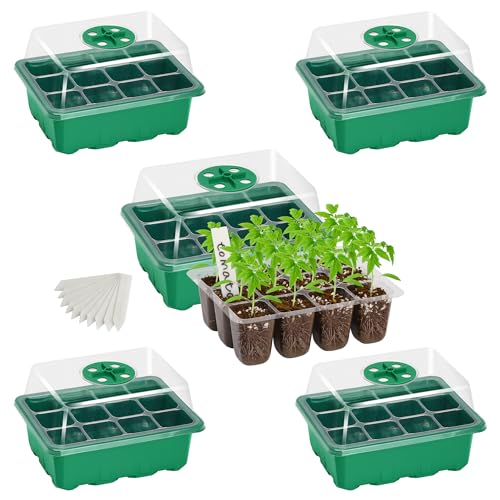
【Keep an eye on your plant】: The only design in the market- High quality clear plastic trays of this seed grow kit make it easier to observe your plants without interrupting the process.

Graphene Seed Heat Mat for Faster Germination: Compared to traditional electric heating mats, our graphene heat mat heats up faster and more evenly, with a built-in timer for convenience. It creates the ideal environment for indoor seed starting trays, greenhouse seed germination, and hydroponic plant propagation. Designed for indoor gardening, this waterproof and reusable heat mat accelerates growth and improves seedling survival rates.

【Value Package】The kit contain 4 pcs base trays, 4 pcs seed trays with 12 cells in each, 4 pcs humidity lids with dome, and 50 pcs peat pellets, not need soil to fill the cells, help you keep clean and tidy when planting, and creates a moist and warm environment needed for seed germination.
Seed Viability:
Kiwi seeds are generally viable and have the potential to germinate into kiwi plants if given the right conditions. However, it’s crucial to understand that growing kiwi from seeds is a time-consuming process and may not always guarantee the same quality or characteristics as the parent plant.
Factors Influencing Germination:
Several factors influence the germination of kiwi seeds, including the freshness of the seeds, temperature, moisture levels, and light conditions. Kiwi seeds are best planted fresh as they have a higher germination rate compared to older seeds. Maintaining consistent moisture and providing ample light can also greatly improve germination rates.
Germination Process:
To start the germination process, you can plant the kiwi seeds in a well-draining potting mix and keep them in a warm, sunny location. Regularly watering the seeds without over-soaking the soil is essential to promote germination. It’s important to be patient as kiwi seeds can take anywhere from 14 to 60 days to germinate, depending on the conditions provided.
Care and Maintenance:
Once the seeds have germinated, caring for the young kiwi plants is crucial for their healthy growth. Providing adequate sunlight, watering consistently, and fertilizing lightly can help nurture the plants into robust seedlings. Transplanting the seedlings into larger containers as they grow will also support their development.
Considerations:
While growing kiwi from seeds can be a rewarding experience, it’s essential to remember that kiwi plants grown from seeds may take longer to fruit compared to those propagated from cuttings. Additionally, the fruit quality and flavor of seed-grown kiwis may vary. If you’re looking for a quicker and more predictable way to grow kiwi, consider purchasing a grafted plant from a nursery.
By understanding the viability of growing kiwi from seeds and following the necessary steps, you can embark on a rewarding journey of cultivating your own kiwi plants right at home. With patience, care, and the right conditions, you can enjoy the satisfaction of watching your kiwi seeds grow into thriving plants.
Understanding Kiwi Seeds
When it comes to growing kiwi from seeds, understanding the characteristics of kiwi seeds is essential. Here’s what you need to know:
Kiwi Seed Viability
Kiwi seeds have the potential to grow into healthy plants if they are fresh. Fresh seeds have a higher germination rate, increasing the likelihood of successful growth. Ensure you use viable seeds to maximize your chances of a successful harvest.
Germination Conditions
Kiwi seeds require specific conditions to germinate successfully. Providing a warm and moist environment is crucial for seed germination. You can achieve this by planting the seeds in well-draining soil and maintaining consistent moisture levels without overwatering them.
Time Considerations
Growing kiwi from seeds is a time-consuming process. It takes time for the seeds to germinate, grow into seedlings, and eventually develop into fruit-bearing plants. Patience is key when embarking on this journey, as it may take several years before you see the fruits of your labor.
Seedling Care
Once the kiwi seeds have germinated, proper care is essential for the seedlings’ growth. Ensure they receive adequate sunlight, water, and nutrients to thrive. Transplant the seedlings carefully when they outgrow their current containers to prevent root damage.
Fruiting Times
Seed-grown kiwi plants typically have longer fruiting times compared to grafted plants. It’s important to be aware of this timeline when growing kiwi from seeds. While the wait may be longer, the satisfaction of harvesting fruits from seeds you planted can be incredibly rewarding.
Fruit Quality
It’s essential to note that there may be variations in fruit quality when growing kiwi from seeds. Grafted plants are known for producing more consistent fruit, so be prepared for some variability in taste, size, or texture when harvesting fruits from seed-grown plants.
By understanding the characteristics of kiwi seeds and following the necessary steps for germination and growth, you can successfully grow kiwi plants from seeds at home. Patience, proper care, and attention to detail will help you nurture your kiwi plants into fruitful maturity.
Growing Kiwi Plants from Seeds
When it comes to growing kiwi plants from seeds, it’s essential to understand the process thoroughly to ensure successful cultivation. Here are key steps to help you embark on this rewarding journey:
Recommended Products

Biodegradable Seed Starter Tray : The seed starter trays made from biodegradable materials. They are easy to degrade and fully recycled, break down in the soil over time and can be turned into organic fertilizer that promotes the growth of seedlings.

【Biodegradable Material】The seed trays are crafted from environmentally friendly materials, ensuring sustainability from seed to harvest

Complete Seed Starter Kit: Self watering seed starter tray kit includes 3 packs, each with 1 clear bottom tray, 1 humidity dome, 2 12-cell seed starter trays, 2 support stands, 1 capillary mat, and 100 plant labels. Perfect for starting veggies, herbs, and flower germination in a compact, reusable setup.
Choosing the Right Seeds
Selecting fresh kiwi seeds is crucial for successful germination. Opt for seeds from ripe fruits, as they are more likely to sprout and develop into healthy seedlings.
Preparing the Seeds
Before planting, soak the kiwi seeds in water for about 24 hours to help soften the seed coat and promote germination. This step can improve the chances of successful seedling growth.
Planting the Seeds
Plant the soaked seeds in a well-draining potting mix, ensuring they are covered with a shallow layer of soil. Keep the soil consistently moist but not waterlogged to support germination.
Providing Optimal Growing Conditions
Kiwi seeds require warmth and humidity to germinate successfully. Place the planted seeds in a warm location with indirect sunlight and maintain a humid environment by covering the container with plastic wrap.
Patience Is Key
Growing kiwi plants from seeds is a time-consuming process that requires patience. It may take several weeks for the seeds to germinate, so be patient and maintain proper care throughout the germination period.
Transferring Seedlings
Once the kiwi seedlings have developed several sets of true leaves, carefully transplant them into individual pots to allow for healthier growth. Ensure the seedlings receive adequate sunlight and water.
Caring for Seedlings
Provide regular watering, sunlight, and a balanced fertilizer to promote healthy growth in your kiwi seedlings. Monitor the plants closely for any signs of pests or diseases and take appropriate action if needed.
Harvesting Kiwi Fruits from Seed-Grown Plants
When it comes to harvesting kiwi fruits from seed-grown plants, it’s essential to understand the process and the patience it requires.
- Choose the Right Time: Kiwi plants usually start producing fruits after around 3-5 years, so be patient as you wait for your plants to mature.
- Recognize Fruit Maturity: Kiwi fruits are typically ready for harvesting when they’re firm to the touch and have a sweet aroma.
- Harvesting Technique: To harvest kiwis, gently twist the fruit until it comes off the vine, ensuring you don’t damage the plant in the process.
- Storage Tips: Store harvested kiwis in a cool, dark place for a few days to ripen further before enjoying them.
- Enjoy the Fruits of Your Labor: Once your kiwis are ripe, savor the flavorful fruits that you’ve grown from seeds with dedication.
By following these tips, you can look forward to enjoying the fruits of your labor as you harvest kiwi fruits from your seed-grown plants. Remember, patience is key in this rewarding process.
Conclusion
Growing kiwi from seeds can be a fulfilling experience. From selecting the right seeds to patiently caring for your seedlings, the journey is rewarding. Harvesting the fruits of your labor may take a few years, but the wait is worth it. Remember to pay attention to fruit maturity, handle harvesting with care, and enjoy the delicious kiwis you’ve grown. With dedication and proper care, you can successfully grow kiwi plants from seeds and enjoy the satisfaction of nurturing your own fruit-bearing plants. Happy gardening!
Frequently Asked Questions
How long does it take to grow kiwi plants from seeds?
It typically takes 3-5 years for kiwi plants grown from seeds to mature and start bearing fruits. Patience is crucial during this time-consuming process.
What are some essential steps for growing kiwi plants from seeds?
Important steps include selecting fresh seeds, soaking them, planting in well-draining soil, and providing proper care to the seedlings as they grow.
How can I harvest kiwi fruits from seed-grown plants?
Harvesting kiwi fruits requires patience as the plants mature. Look for signs of fruit maturity, use gentle harvesting techniques, store fruits properly, and enjoy the rewarding experience.
