

Have you ever wondered what fruit trees thrive in the sunny landscapes of Spain? With its diverse climate and rich soil, Spain is a paradise for fruit lovers. From juicy oranges to sweet figs, the country boasts a variety of fruit trees that not only enhance its picturesque scenery but also provide delicious produce.
Key Takeaways
- Spain’s climate and soil diversity enable the growth of a wide range of fruit trees, including citrus, stone fruits, figs, and olives.
- Citrus trees, such as Valencia oranges and lemons, thrive particularly well in the sunny conditions of southern Spain.
- Stone fruit varieties, like peaches and cherries, flourish in regions with temperate climates, requiring full sun and proper drainage.
- Fig trees adapt easily to coastal areas, producing sweet fruits that are popular in both fresh and dried forms.
- Understanding the specific growing conditions, such as soil type and climate factors, is essential for selecting the right fruit trees for your garden.
- Growing fruit trees not only yields fresh produce but also contributes to environmental health, enhances garden aesthetics, and provides educational opportunities.
Overview of Fruit Trees in Spain
Spain’s diverse climate and rich soil support a variety of fruit trees, from subtropical to temperate species. The Mediterranean weather, characterized by hot summers and mild winters, promotes healthy growth and abundant harvests.
Common Fruit Trees
- Citrus Trees
Citrus trees thrive in Spain’s warm climate. Oranges, lemons, limes, and tangerines grow well, particularly in regions like Valencia. Valencia oranges, known for their sweetness, are especially popular. - Stone Fruit Trees
Stone fruit trees, including peaches, plums, and cherries, flourish in Spain. Regions like Extremadura and the outskirts of Madrid feature these fruits during the summer months, providing juicy options for local markets. - Fig Trees
Fig trees adapt smoothly to Spain’s environment. These trees produce sweet, nutritious figs, especially in coastal areas like Andalusia. Figs are often dried or enjoyed fresh. - Olive Trees
Though primarily known for oil, olive trees also produce olives for eating. These trees dominate areas like Andalusia, where the warm climate aids their growth. They bring unique flavors to Mediterranean cuisine.
Growing Conditions
Fruit trees in Spain thrive under specific conditions:
- Soil: Well-draining soil with a balanced pH supports root development.
- Sunlight: Full sun exposure promotes optimal fruit production. Aim for 6-8 hours of sunlight daily.
- Water: Regular irrigation during dry spells keeps trees healthy, especially in summer.
- Pruning: Regular pruning encourages healthy growth and fruit production. Remove dead or crossing branches in late winter.
- Fertilizing: Use organic fertilizers in spring to nourish fruit trees. Compost or slow-release granules work well.
- Pest Control: Monitor for pests like aphids and fruit flies. Use natural insecticides or beneficial insects for control.
Spain’s fruit trees offer you the chance to enjoy fresh, flavorful produce while contributing to the region’s stunning landscapes. Whether you’re harvesting your own or choosing locally grown options, Spain’s fruits provide a delightful taste experience.
Climate Factors Affecting Growth
Climate plays a crucial role in the growth of fruit trees in Spain. From Mediterranean conditions to altitude and soil quality, multiple factors influence their health and productivity.
Recommended Products

FORMULATED FOR CITRUS AND FRUIT TREES: Use these citrus fertilizer spikes on apple, orange, lemon, lime, and avocado trees; this formula is also great for feeding palm trees

Package contains 4 Pounds organic fruit and citrus fertilizer grains and is produced to avoid wasteful runoff, mess, hazards and smells

Made For Potted Citrus Trees: Our citrus potting soil mix is made for potted lemon, lime, orange and other citrus trees that need a lighter growing medium for repotting. We double-screen all of our raw ingredients to support a cleaner, more consistent texture for pouring and repotting potted citrus trees.
Mediterranean Climate
Spain’s Mediterranean climate features hot, dry summers and mild, wet winters. These conditions create a perfect environment for growing a variety of fruit trees. Citrus trees, such as Valencia oranges and lemons, thrive under full sunlight and benefit from minimal rainfall during the summer. Stone fruits, like peaches and cherries, flourish because the warm weather promotes blooming and fruit set.
In regions with coastal influence, humidity and mild temperatures further enhance fruit quality. For instance, Fig trees, which prefer warm, dry climates, grow exceptionally well along the southern coasts.
Altitude and Soil Conditions
Altitude impacts temperature and moisture levels, affecting fruit tree growth. In lower regions, you find citrus and stone fruits, as they need ample sunlight and consistent warmth. Higher elevations support apple and pear trees which tolerate cooler climates.
Soil conditions also matter. Well-draining soil with good organic matter promotes healthy root systems for fruit trees. Sandy soils, for example, facilitate drainage, while clay soils retain moisture. It’s crucial to test your soil’s pH and amend as needed. Adding compost can enhance nutrient levels, ensuring trees get the essentials for robust growth.
Knowing these climate factors helps you select the right fruit trees for your garden, maximizing both yield and enjoyment from your home-grown produce.
Popular Fruit Trees in Spain
Spain hosts a variety of fruit trees that thrive in its unique climate. You can find citrus fruits, stone fruits, and even some exotic varieties enriching both the landscape and your palate.
Recommended Products
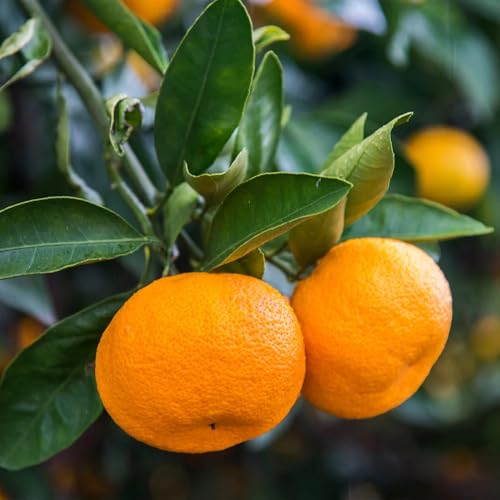
Welcome the vibrant allure of the Calamondin Orange Tree, a delightful addition to any landscape with its lush greenery and plentiful fruit. This tree brings the charm of tangerine-sized oranges that add a burst of tangy flavor to your culinary endeavors. The Calamondin Orange Tree, often called a Tangerine Tree, thrives both indoors and outdoors, making it a versatile choice for any gardener.

Easy to spread, enjoy this marmalade on toast, biscuits, muffins, pastries or even as a cake filling. Pairs well with Gouda, Jarlsberg, Monterey Jack, or Semi-Aged Pecorino.

Citrus Trees
Citrus trees flourish in Spain’s warm climate. Valencia oranges, lemons, and grapefruits represent popular choices. These trees grow well in sunny locations with well-draining soil. During the growing season, they need regular watering but avoid over-saturation. Pruning helps maintain their shape and encourages healthy growth. The citrus fruits produced are known for their sweetness and vibrant flavors, often enjoyed fresh or used in cooking.
Stone Fruit Trees
Stone fruit trees, including peaches, cherries, and apricots, thrive in Spain’s temperate zones. These trees require full sun and moderate watering to develop juicy fruit. You’ll notice that varieties like the famous Spanish white peach are especially sought after for their flavor. Planting should occur in well-draining soil with good air circulation to prevent diseases. Regular thinning of fruits encourages larger and better-quality harvests.
Exotic Fruit Trees
Exotic fruit trees add a tropical touch to Spain’s gardens. Guava, mango, and avocado trees can be found in warmer southern regions. These trees prefer sunny spots with adequate moisture but can tolerate some drought. Ensure they receive organic mulch to retain soil moisture and improve fertility. As these trees mature, they produce delicious fruits that bring unique flavors to your table, expanding your fruit options right in your own backyard.
Regional Variations
Spain’s diverse geography creates unique growing conditions for various fruit trees. Understanding these regional variations helps you select the best trees for your garden.
Northern Spain
Northern Spain features a cooler climate with higher precipitation. You’ll find apple trees, pear trees, and cherry trees thriving here. These fruits prefer the moderate temperatures and plenty of moisture provided by the region’s Atlantic climate. For example, varieties like the “Maragota” apple and “Blanquilla” pear excel in this area. Consider planting these trees in areas with good drainage to prevent root rot.
Southern Spain
Southern Spain enjoys a warm, dry climate ideal for citrus trees. Orange trees, lemon trees, and almond trees flourish particularly well. The heat encourages the production of sweet, juicy fruits. For instance, “Seville” oranges are known for their tangy flavor and are commonly grown here. Choose a sunny spot for your citrus trees and ensure they receive regular watering, especially during the hottest months.
Mediterranean Coast
The Mediterranean Coast combines the best of both worlds with dry summers and mild winters. This climate supports a wide range of fruit trees, including figs, olives, and pomegranates. For example, “Kadota” figs thrive in sandy soils and tolerate drought conditions. If you opt for these trees, focus on planting in well-drained soils and provide occasional irrigation during prolonged dry spells. Consider incorporating companion plants that can help regulate moisture levels in the soil.
Benefits of Growing Fruit Trees
Growing fruit trees in Spain offers various benefits that enhance your gardening experience and contribute to your environment.
Recommended Products
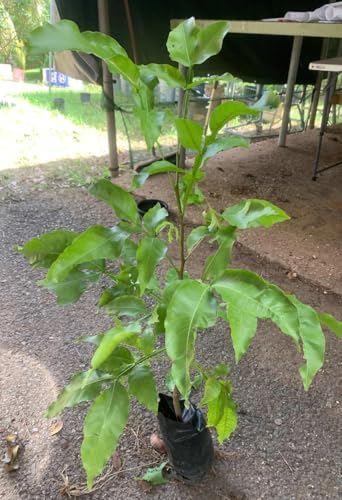

BEGINNER-FRIENDLY & EASY TO GROW – Perfect for first-time bonsai growers, simple planting and care instructions

Product Quantity: 180+ premium bonsai fruit seeds across 5 varieties; Individual packs contain 40+ apple, 40+ lemon, 40+ orange, 20+ blueberry, and 40+ cherry seeds; Perfect for starting a diverse miniature orchard
Fresh Produce
Enjoying fresh fruit directly from your garden is a significant advantage. You gain access to seasonal fruits like oranges, figs, and peaches at their peak flavor, free from chemicals and preservatives.
Environmental Contribution
Fruit trees provide crucial environmental benefits. They improve air quality by absorbing carbon dioxide and releasing oxygen. They also support local wildlife by offering habitats and food sources, promoting biodiversity.
Aesthetic Appeal
Fruit trees enhance your garden’s beauty throughout the year. With stunning blossoms in spring and vibrant fruits in summer, these trees serve as attractive focal points in your landscape.
Soil Health
Planting fruit trees improves soil structure. Their roots help aerate the ground, increasing water retention and decreasing erosion. As they mature, fallen leaves enrich the soil with organic matter, fostering a healthy ecosystem.
Economic Savings
Growing fruit trees can lead to economic benefits. You save money on grocery bills by reducing your reliance on store-bought fruits. Additionally, you might even sell excess produce at local markets.
Educational Opportunities
Gardening offers valuable learning experiences for all ages. You can teach children about plant biology, sustainability, and the importance of healthy eating by involving them in the growing process.
Satisfaction and Well-Being
Tending to fruit trees promotes relaxation and reduces stress. The physical activity involved in gardening boosts your mood and contributes to overall well-being.
Growing fruit trees in Spain not only offers delicious and fresh produce but also enhances your environment, supports wildlife, and provides educational and economic benefits.
Conclusion
Spain’s fruit trees offer you a delightful blend of flavors and beauty. Whether you’re savoring a juicy orange or enjoying the sweetness of a fig the variety available is truly remarkable.
Growing your own fruit trees can be a rewarding experience that not only enhances your garden but also provides fresh produce right at your fingertips. With the right care and attention to their unique needs you’ll find that these trees thrive in Spain’s diverse climates.
So why not consider adding a few of these vibrant trees to your own outdoor space? You’ll enjoy the fruits of your labor while contributing to the stunning landscapes that Spain is known for.
Frequently Asked Questions
What types of fruit trees are common in Spain?
Spain is home to various fruit trees, including citrus trees like Valencia oranges, stone fruits such as peaches and cherries, fig trees, and olive trees. These trees thrive in the country’s diverse climate and rich soil, contributing to its vibrant landscapes and delicious produce.
What is Spain’s climate like for growing fruit?
Spain features a Mediterranean climate characterized by hot, dry summers and mild, wet winters, making it ideal for growing fruit trees. Coastal areas benefit from humidity, which enhances the quality of fruits like figs and citrus.
How do soil conditions affect fruit tree growth?
Soil conditions are crucial for fruit tree growth in Spain. Well-draining sandy soils and moisture-retaining clay soils help establish healthy root systems, ensuring that fruit trees receive the nutrients and water they need for optimal growth.
What care do fruit trees in Spain require?
Fruit trees in Spain need adequate sunlight, regular irrigation, and proper care, including pruning, fertilizing, and pest control. These practices ensure that the trees produce high-quality fruits and remain healthy throughout the growing season.
What are the benefits of growing fruit trees in Spain?
Growing fruit trees in Spain offers numerous benefits, including access to fresh, chemical-free produce, improved air quality, and enhanced biodiversity. They also provide aesthetic appeal, economic savings, and educational opportunities while promoting relaxation and well-being.
