

Wondering when to prune your fruit trees in Virginia? You’re not alone! Many gardeners struggle with the timing, unsure if they’re doing it right. Pruning at the wrong time can lead to poor growth or even damage your trees.
Key Takeaways
- Pruning fruit trees in Virginia is crucial for healthy growth and productivity, with timing depending on the specific type of tree.
- Winter pruning should be done from late February to early March, focusing on dead or diseased branches and enhancing sunlight exposure for apple and peach trees.
- Summer pruning occurs between mid-July and early August, helping to control size and reduce overcrowding, particularly beneficial for cherry trees.
- Effective pruning techniques include thinning cuts for improved airflow and heading cuts to promote bushier growth and increased fruit yield.
- Regular monitoring of tree health throughout the year helps identify when and what to prune, preventing common mistakes like over-pruning or pruning at the wrong time.
- Local climate variations in Virginia impact pruning schedules, so consider specific regional weather patterns when planning your pruning activities.
When to Prune Fruit Trees in Virginia
Pruning fruit trees at the right time is essential for healthy growth. In Virginia, the ideal pruning timeframe depends on the type of fruit tree you’re tending to.
Winter Pruning
- Timeframe: Late winter, typically from February to early March.
- Purpose: Remove dead or diseased branches. Enhance air circulation and sunlight exposure. Promote structural growth.
- Example: Apple and peach trees benefit significantly from winter pruning. Doing this before buds swell leads to better flowering and fruit production.
Summer Pruning
- Timeframe: Mid-summer, around July to early August.
- Purpose: Control tree size and shape. Manage excessive growth. Reduce shade on developing fruit.
- Example: Cherry trees can thrive with summer pruning. You’ll achieve better fruit color and quality when removing excess growth during this period.
Specific Techniques
- Thinning Cuts: Focus on removing entire branches to improve airflow.
- Heading Cuts: Shorten branches to encourage bushier growth and new shoots.
Ensure you use sharp, clean tools to avoid damaging trees or spreading disease.
Signs It’s Time to Prune
- Dead or Diseased Branches: Look for branches without leaves or showing signs of rot.
- Crowded Branches: Identify branches that cross or grow toward the center of the tree.
Monitoring the tree’s health throughout the year helps you know when it’s best to prune. Regular check-ups, particularly during the growing season, assist in recognizing branches that require attention.
Local Climate Considerations
Keep in mind Virginia’s climate varies across regions. Consider local temperatures and weather patterns when planning your pruning schedule. Areas with milder winters may require earlier pruning, while colder regions benefit from waiting until spring.
Pruning fruit trees effectively leads to healthier trees and better fruit yields.
Importance of Pruning
Pruning fruit trees plays a crucial role in ensuring their health and productivity. Proper pruning techniques allow for better growth, improved fruit quality, and enhanced overall tree vitality.
Enhancing Tree Health
Pruning removes dead, diseased, or damaged branches. This process helps prevent the spread of illness and allows sunlight and air to circulate freely within the tree’s canopy. For instance, pruning apple trees before their spring growth encourages strong, healthy limbs. Maintaining a clean and open structure reduces the risk of fungal infections and promotes robust growth.
Additionally, pruning encourages new growth by stimulating dormant buds. Cutting back older branches allows energy to redirect towards younger growth, enhancing the tree’s overall vigor. Keeping your trees healthy leads to a more resilient fruiting cycle.
Improving Fruit Quality
Pruning directly contributes to better fruit quality by controlling tree size and density. Thinning the branches ensures that each fruit has enough space and resources to develop fully. For instance, thinning cuts made on peach trees promote larger, juicier peaches, as more light reaches each fruit.
Moreover, careful pruning improves airflow and sunlight exposure, essential factors for ripening. When you remove overcrowded branches, you create an environment that encourages even ripening and minimizes the risk of pests and diseases. Therefore, when you prioritize pruning, you enhance not just the health of the tree but also the quality of the fruit it produces.
Best Times to Prune
Pruning fruit trees at the right time ensures healthy growth and productivity. Here’s a breakdown of when to prune in Virginia.
Recommended Products

Heat-Treated Serrated Saw Blade: 8" saw blade designed for efficient cutting of branches and tough materials, ensuring sharpness and durability.

Adjustable and Durable Handle - Extendable Loppers: The lopping shears are adjustable from 16 inches to 24 inches, allowing you to handle tall branches easily. The iron arm is more sturdy and durable, and will not bend even when cutting large and thick branches.

Winter Pruning
Winter pruning occurs from late February to early March. This period is ideal for several reasons:
- Dormant Trees: Trees are dormant, reducing stress and allowing for quicker recovery.
- Visibility: With no leaves, you can clearly see the branch structure, identifying dead or diseased parts easily.
- Tree Types: Primarily, apple and peach trees benefit from this timing.
When pruning in winter, focus on these actions:
- Remove Dead or Diseased Branches: Target branches showing signs of illness or damage. This promotes overall tree health.
- Thin Crowded Areas: Improve air circulation by removing branches that rub against each other. This reduces disease risk.
- Shape the Tree: Maintain a balanced structure, enhancing sunlight exposure for all branches.
Summer Pruning
Summer pruning typically occurs between mid-July and early August. This timing allows you to manage tree size and growth effectively.
- Limit Growth: Control excessive growth more easily when trees are actively growing.
- Tree Types: Cherry trees respond particularly well to summer pruning.
Follow these summer pruning tips:
- Trim Excessive Growth: Cut back vigorous shoots to maintain a desirable size and shape.
- Promote Sunlight Exposure: Remove leaves in dense areas to allow better light penetration.
- Encourage Airflow: Thinning branches reduces humidity, minimizing pest and disease problems.
By adhering to these specific times and techniques, you enhance your trees’ health and overall fruit production.
Pruning Techniques
Pruning fruit trees involves specific techniques that enhance growth and fruit production. Knowing the right approaches plays a vital role in maintaining healthy trees.
Recommended Products

10FT POLE TREE PRUNER WITH SAW FUNCTION: Designed primarily for high branch trimming with pull-rope pruning shears, while the integrated saw provides an additional cutting option when needed. This manual tree pruner combines pruning and sawing functions in one long-reach tool for routine tree care in yards, gardens, and orchards.

· ULTRA-SHARP SK5 STAINLESS STEEL - Engineered with premium SK5 stainless steel, these heavy duty pruning shears deliver razor-sharp precision and maximum hardness. The rust-resistant blades are designed to stay sharp longer, effortlessly resisting corrosion and sap buildup for smooth, friction-free garden shears performance year after year.

ULTRA SHARP - Much less effort to cut branches with our pruning shears. Crafted from premium SK5 steel with titanium coating, our garden scissors and garden clippers boast exceptional durability and sharpness. A perfect pruning shears for gardening and a must-have garden tool, hedge clippers pruners for gardening
Types of Cuts
- Thinning Cuts: Thinning cuts remove entire branches at their point of origin. This method improves airflow and sunlight penetration within the tree. Thinning benefits apple trees by encouraging balanced growth and better fruit quality.
- Heading Cuts: Heading cuts trim branches back to a bud or lateral branch. This technique stimulates growth by encouraging new shoots. Heading works well for peach trees, promoting manageable size and increased fruit yield.
- Reduction Cuts: Reduction cuts shorten a branch while maintaining its main structure. This method helps control the tree’s overall size without compromising its shape. Use reduction cuts on cherry trees to balance growth and maintain fruit production.
- Pruning Shears: Use sharp, bypass pruning shears for small branches. A clean cut encourages faster healing.
- Loppers: For thicker branches, loppers provide leverage and power. Opt for long-handled loppers to reach higher branches without a ladder.
- Hand Saw: A hand saw is suitable for larger limbs. Ensure the saw blade is sharp to make clean cuts.
- Pole Pruner: For hard-to-reach areas, a pole pruner extends your reach. It allows for safe cutting without climbing the tree.
- Protective Gear: Always wear gloves and safety goggles. Protective gear safeguards against accidental injuries during the pruning process.
By mastering these techniques and using appropriate tools, you promote healthier growth and sweeter fruit in your Virginia fruit trees.
Common Mistakes to Avoid
Avoiding common pruning mistakes helps ensure your fruit trees remain healthy and productive. Here are some key pitfalls to watch out for.
Recommended Products

LONG-LASTING SHARPNESS: Japanese SK5 bypass blade with titanium coating is tested through 5,000 cuts to maintain a sharp edge and deliver clean, consistent cuts on live stems and branches

CLEAN CUTS FOR LIVE GROWTH: Bypass blade design is ideal for pruning delicate flower stems and green growth, helping reduce crushing and plant damage while cutting stems and small branches up to 5/8” in diameter
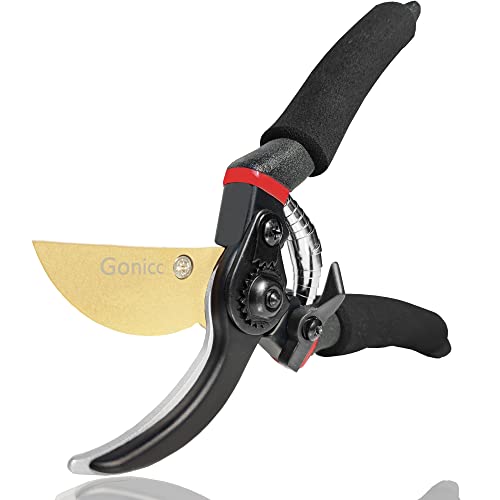
Drop-forged construction delivers exceptional durability and sturdiness for long-term heavy garden use.
Pruning at the Wrong Time
Pruning at the wrong time can negatively impact tree health. For instance, winter pruning works well for apple and peach trees between late February and early March. Pruning too early can cause new growth to freeze, while pruning too late may prevent the tree from healing before dormancy. Summer pruning, from mid-July to early August, is best for cherry trees to manage growth. Make sure to understand the specific requirements for each tree type to ensure a successful pruning season.
Over-Pruning
Over-pruning leads to stress and vulnerability in your trees. Removing too many branches reduces the tree’s ability to photosynthesize, affecting growth and fruit production. A good rule is to prune no more than 25% of a tree’s canopy at one time. Focus on removing dead, diseased, or overcrowded branches rather than drastically altering the shape of the tree. Aim for balance to maintain a healthy structure that encourages air circulation and sunlight exposure, supporting better fruit quality.
Conclusion
Pruning your fruit trees at the right time is key to ensuring their health and productivity. By understanding the specific needs of each tree type and timing your pruning sessions accordingly, you’re setting yourself up for a bountiful harvest. Remember to keep an eye on your trees throughout the year and adjust your approach based on local climate conditions.
With the right techniques and tools in hand you can promote better airflow and sunlight exposure. This not only enhances growth but also leads to sweeter, more flavorful fruit. Embrace the pruning process and enjoy the rewards of your hard work in your Virginia garden. Happy pruning!
Frequently Asked Questions
When is the best time to prune fruit trees in Virginia?
Winter pruning is best from late February to early March for apple and peach trees, while summer pruning occurs from mid-July to early August for cherry trees. Timing varies based on tree type and local climate.
What are the benefits of pruning fruit trees?
Pruning improves tree health and productivity by removing dead or diseased branches, enhancing sunlight exposure, promoting airflow, and stimulating new growth. This leads to better fruit quality and overall tree vitality.
What pruning techniques should I use for fruit trees?
Key techniques include thinning cuts to improve airflow, heading cuts to encourage new growth, and reduction cuts to manage tree size. Each technique benefits specific tree types; for example, thinning works well with apple trees.
How much of the tree can I prune at once?
It is advisable to prune no more than 25% of a tree’s canopy at one time. Over-pruning can stress the tree and hinder its growth and fruit production.
What tools are recommended for pruning fruit trees?
Using sharp, clean tools is crucial. Bypass pruning shears are ideal for small branches, while loppers work well for thicker branches. For hard-to-reach areas, pole pruners are recommended.
How can I tell if it’s time to prune my fruit trees?
Look for signs like dead or diseased branches, overcrowded growth, and poor airflow within the canopy. Regular monitoring throughout the year can help determine the right pruning time.
What mistakes should I avoid when pruning?
Avoid pruning at the wrong time, over-pruning, and neglecting to use clean tools. These mistakes can harm tree health and reduce fruit production. Focus on removing dead or overcrowded branches instead.
