

Ever wondered what fruit trees thrive in Delaware’s unique climate? You’re not alone! Many gardening enthusiasts face the challenge of choosing the right trees for their yards. With the right selection, you can enjoy fresh, homegrown fruit right from your backyard.
Key Takeaways
- Diverse Fruit Trees: Delaware’s USDA Hardiness Zones 7a to 7b support a wide variety of fruit trees, including apples, pears, peaches, cherries, and plums.
- Popular Varieties: For apples, consider ‘Honeycrisp’ and ‘McIntosh’; for pears, go with ‘Bartlett’ and ‘Kieffer’; and for peaches, ‘Elberta’ and ‘Redhaven’ are excellent choices.
- Growing Conditions: Ensure full sun exposure, well-draining soil, and proper spacing (15-25 feet apart) to promote healthy tree growth and fruitful yields.
- Maintenance Essentials: Regular pruning enhances air circulation and fruit production; keep young trees well-watered, and utilize balanced fertilizers in spring for optimal growth.
- Pest Management: Adopt integrated pest management (IPM) practices to monitor and manage pests, focusing on organic options for a healthier garden.
Overview Of Fruit Trees In Delaware
Delaware’s climate supports a variety of fruit trees that can thrive in its unique environment. The state’s USDA Hardiness Zones range from 7a to 7b, allowing for a diverse selection of trees.
Common Fruit Trees
- Apple Trees: Choose varieties like ‘Honeycrisp’ and ‘McIntosh.’ These trees flourish in Delaware’s soil and produce annual harvests.
- Pear Trees: ‘Bartlett’ and ‘Kieffer’ varieties do well in Delaware. They’re resistant to some pests and diseases, making them practical choices.
- Peach Trees: ‘Elberta’ and ‘Redhaven’ are popular options. They enjoy the state’s warm summers, which contribute to sweet fruit.
- Cherry Trees: Consider growing ‘Sweetheart’ or ‘Rainier’ cherries. These trees can produce beautiful blossoms in spring and delightful fruit in summer.
- Plum Trees: Varieties like ‘Methley’ and ‘Santa Rosa’ thrive. Plums offer both beauty and fruit, making them appealing additions.
Planting Tips
- Location: Select a site with full sun. Most fruit trees require at least six to eight hours of sunlight daily.
- Soil: Ensure well-draining soil. Heavy, clay soils can suffocate roots. Consider amending soil with organic matter.
- Spacing: Space trees properly. Most require at least 15 to 20 feet between them to promote healthy growth and airflow.
Maintenance
- Pruning: Conduct annual pruning during dormancy. Remove dead or crossing branches to improve air circulation and sunlight exposure.
- Watering: Keep young trees well-watered, especially during dry spells. Established trees benefit from regular irrigation but require less frequent watering.
- Fertilizing: Apply a balanced fertilizer in early spring. This supports healthy growth and fruit production.
Pest Management
Integrate integrated pest management (IPM) practices. Monitor trees for pests and diseases and use organic options when possible to keep your trees healthy.
Selecting the right fruit trees and following basic care tips can boost your gardening success in Delaware. Enjoy the process of nurturing your fruit trees, and look forward to the bountiful rewards.
Popular Fruit Trees
Delaware’s climate creates ideal conditions for a variety of delicious fruit trees. Here’s a look at some popular choices that thrive in your garden.
Recommended Products

BEGINNER-FRIENDLY & EASY TO GROW – Perfect for first-time bonsai growers, simple planting and care instructions

🌳 3-Pack Fruit Tree Bundle Includes live apple, blueberry, blackberry trees—perfectly paired for a diverse and productive backyard orchard.

Golden Red Peach tree seedling, approximately 6-9 inches tall, shipped growing in a half-gallon pot and ready for transplanting into containers, gardens, or small orchards.
Apples
Apples are one of the most popular fruit trees in Delaware. They adapt well to the local climate, producing sweet and crisp fruit. Choose disease-resistant varieties like Honeycrisp or Liberty for better yields. Plant your apple trees in full sun with well-drained soil, allowing for proper spacing to promote airflow. Regular pruning helps with fruit production and tree health.
Peaches
Peach trees flourish in Delaware’s warm summers. They offer juicy, fragrant fruit that’s perfect for fresh eating or canning. Select varieties like Redhaven or Elberta. Position your peach trees in full sun and provide at least 20 to 25 feet between trees for optimal growth. Keep soil well-drained, and consider mulch to retain moisture. Thin the fruit to ensure larger, healthier peaches.
Pears
Pears thrive in Delaware and require similar conditions to apples. Varieties such as Bartlett and Bosc yield sweet, flavorful fruit. Plant in full sun and ensure good air circulation by spacing trees 12 to 15 feet apart. Regular watering during dry spells promotes strong growth. Prune to maintain a good shape and enhance fruit quality.
Cherries
Cherries add beauty and flavor to your yard. Sweet cherries like Bing and Rainier flourish with adequate sun exposure and well-drained soil. Space cherry trees 20 to 25 feet apart to prevent overcrowding. Water them regularly, especially during dry periods, while noting that they don’t require heavy fertilization. Prune in late winter to maintain a healthy structure and enhance fruit production.
Factors To Consider
Choosing the right fruit trees for your garden in Delaware involves several essential factors. Addressing these aspects helps ensure healthier trees and a fruitful harvest.
Recommended Products

🍎 3 Live Apple Tree Saplings: Receive three healthy young apple tree saplings ready to plant and grow in your garden, backyard orchard, or container. Plants ship dormant (not leaves or fruit) in spring.
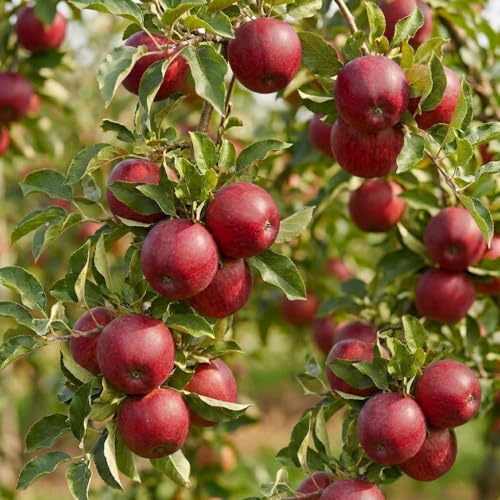
🍎 3 Live Apple Tree Saplings: Receive three healthy young apple tree saplings ready to plant and grow in your garden, backyard orchard, or container. Plants ship dormant (not leaves or fruit) in spring.
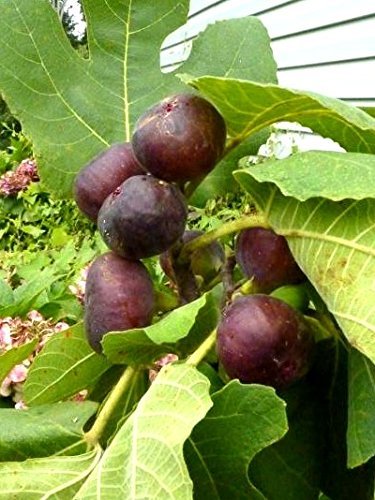
Includes Four Plants of "Chicago Hardy" Fig Trees with 4 Hello Organic Plant Tags. These are 2 inch rooted plants shipped in 2 inch tray pots and are 2-5 inches tall.
Soil Conditions
Soil quality significantly impacts tree growth. Test your soil’s pH level—most fruit trees prefer a range of 6.0 to 7.5. Amend soil as needed with organic matter to improve fertility and drainage. Heavy clay or sandy soils can affect root development. Incorporate compost or mulch to enhance soil structure and moisture retention, which benefits trees like apples and peaches.
Climate Adaptability
Delaware’s climate, classified under USDA Hardiness Zones 7a to 7b, influences what fruit trees thrive. Select varieties suited for these zones. For example, apples like Honeycrisp tolerate cooler temperatures, while peaches benefit from warmer summers. Choose trees that can withstand local weather patterns, including late frosts, to maximize fruit production.
Pollination Requirements
Understanding a fruit tree’s pollination needs is crucial. Some trees require cross-pollination for fruit set, while others are self-pollinating. For instance, most apple varieties benefit from another apple tree for pollination. Plant compatible trees nearby to increase fruit yield. Check specific pollination requirements for each variety to ensure a bountiful harvest.
Tips For Growing Fruit Trees
Growing fruit trees in Delaware can lead to a bountiful harvest. Here are some essential tips to ensure thriving trees.
Recommended Products

★ 1. What you get: Professional convenient grafting tool set including a dual-use grafting pruner tool contain 2 extra replaceable blades, a wrench and a screwdriver, along with 36pcs wide rubber bands, 150 thick rubber bands and 1 grafting tape, packed in a black wallet to meet all your needs
Site Selection
Choose a location with full sun for at least six hours daily. Examine drainage to prevent standing water, which can harm roots. Look for a sheltered area to protect against strong winds. Consider nearby structures that could provide afternoon shade during the hottest months.
Pruning Techniques
Prune your trees annually during late winter or early spring. Remove dead, damaged, or crossing branches to promote airflow. Thin out dense areas to allow sunlight to reach lower branches. Use clean, sharp tools to prevent disease transmission. Aim for an open-center shape to facilitate fruit production.
Pest Management
Implement integrated pest management (IPM) strategies. Monitor your trees regularly for signs of pests or diseases. Use traps or natural predators to control pest populations. Apply organic insecticides when necessary, targeting affected areas. Maintain tree health through proper watering and fertilization to reduce susceptibility to pests.
Conclusion
Growing fruit trees in Delaware can be a rewarding experience that brings fresh flavors to your backyard. By choosing the right varieties that thrive in your specific climate zone and following essential care tips, you can enjoy bountiful harvests. Remember to consider factors like soil quality and pollination needs to ensure your trees flourish. With a little patience and attention, you’ll create a vibrant garden filled with delicious fruits that you can share with family and friends. So grab your gardening gloves and get started on your fruit tree journey today. Happy gardening!
Frequently Asked Questions
What fruit trees grow well in Delaware?
Delaware’s climate supports various fruit trees, including apples, peaches, pears, cherries, and plums. Some popular varieties are Honeycrisp and Liberty apples, Redhaven and Elberta peaches, Bartlett and Bosc pears, and Bing and Rainier cherries. Choosing trees suited to USDA Hardiness Zones 7a to 7b will ensure successful growth.
How do I choose the right fruit trees for my garden?
Select fruit trees based on your soil conditions, climate adaptability, and pollination requirements. It’s essential to test soil pH and choose varieties that thrive in Delaware’s climate to maximize fruit production and ensure healthy growth.
What are the key planting tips for fruit trees?
When planting fruit trees, choose a sunny location with good drainage and protection from strong winds. Ensure proper spacing for airflow, and amend the soil as necessary. Regularly monitor moisture levels and provide adequate watering during dry spells.
How do I maintain my fruit trees?
Maintaining fruit trees involves annual pruning during late winter or early spring, regular watering, and fertilizing. Monitor for pests and diseases, and apply integrated pest management (IPM) strategies to maintain tree health and promote fruit production.
Why is pollination important for fruit trees?
Pollination is crucial for many fruit trees, as some varieties require cross-pollination to produce fruit. Understanding your tree’s pollination needs helps ensure successful fruit yield. Consider planting compatible tree varieties nearby to facilitate pollination.
