

Jujube trees thrive in Delaware’s climate, providing a unique fruit option for local gardeners. Proper planting and care are essential for successful growth, ensuring a fruitful harvest and healthy tree development.
Choosing Jujube Varieties for Delaware Climate
Selecting the right jujube varieties is crucial for successful cultivation in Delaware’s unique climate. This section explores the best options tailored to the Mid-Atlantic region, considering factors such as temperature, soil conditions, and disease resistance to ensure a fruitful harvest. Understanding these varieties will help growers maximize their jujube production.
Selecting the right jujube tree variety is crucial for success in Delaware. Common varieties like Li and Lang are well-suited for the Mid-Atlantic climate.
These varieties are known for their adaptability and resilience against local pests and diseases. Understanding the differences can help you choose the best option for your garden.
Recommended Products

This plant produces large, round fruits with a crisp texture and sweet apple-like flavor.

9 Months Old Li Jujube Tree Live Plant, 10-14 Inches Tall for Planting, Ready to Bear Fruit Within 1-3 Years, Dormant in Winter

Compact Starter Size: 8-14” tall bare root tree, ideal for planting in gardens, yards, or small orchards
Jujube Tree Growth and Fruit Features
Jujube trees are increasingly recognized for their adaptability and unique fruit characteristics, making them a valuable addition to Delaware’s landscapes. This section explores the growth patterns of jujube trees, detailing their physical attributes, fruit development, and the factors that influence their cultivation in the Mid-Atlantic region. Understanding these features is essential for successful planting and harvesting.
Jujube trees are deciduous and can grow up to 30 feet tall. They produce small, sweet fruits that resemble dates.
Fruit Color: Green to dark brown
Fruit Size: 1 to 2 inches in diameter
Growth Habit: Spreading branches with thorny stems
| Variety | Growth Rate | Fruit Flavor | Cold Hardiness |
|---|---|---|---|
| Li | Moderate | Sweet | Zone 5 |
| Lang | Fast | Sweet-Tart | Zone 5 |
Soil Preparation for Jujube Trees
Proper soil preparation is essential for the successful growth of jujube trees in Delaware’s unique climate. Understanding the specific soil requirements and amendments needed can significantly enhance the health and productivity of these resilient trees. This section outlines the key steps to ensure your soil is primed for optimal jujube cultivation.
Soil preparation is vital for jujube tree health. The trees prefer well-draining soil with a pH between 6.0 and 7.5. Conduct a soil test to determine nutrient levels and pH.
Recommended Products

Quick, at home results for Soil pH, Nitrogen, Phosphorous and Potash Innovative and inexpensive soil test kit features an easy-to-use capsule system and patented color comparators

KNOW BEFORE YOU GROW | Grow the healthiest, sustainable lawn and garden with the most accurate and easy to use professional soil test kit on the market

Accurate Soil pH Testing: Dewildetradingco Soil pH Test Strips offer measurements of soil pH levels (pH 3.5-9). As an essential tool for every gardener and grower, these test strips help determine the optimal pH for various plants, such as outdoor plants, indoor plants, gardens, grass lawns, fruit trees, flowers, vegetables, and forest shrubs.
Organic Matter for Jujube Soil Enhancement
Organic matter plays a crucial role in enhancing soil quality for jujube trees in Delaware. By improving soil structure, moisture retention, and nutrient availability, organic amendments can significantly boost the health and productivity of these trees. Understanding the best practices for incorporating organic matter will help ensure successful cultivation in the Mid-Atlantic region.
Incorporate organic matter to improve soil structure and nutrient content.
Compost: Enhances soil fertility
Sand: Improves drainage in heavy soils
Lime: Raises pH if soil is too acidic
Soil Sample Collection Techniques
Understanding the soil composition is crucial for the successful cultivation of jujube trees in Delaware. This section outlines effective techniques for collecting soil samples, ensuring that you gather accurate data to assess nutrient levels and pH balance. Proper sampling will help you create the ideal conditions for your jujube trees to thrive in the Mid-Atlantic region.
Collect Samples: Gather soil from multiple locations in the planting area.
Send to Lab: Use a local extension service for analysis.
Review Results: Adjust soil amendments based on recommendations.
Optimal Timing for Jujube Tree Planting
Understanding the optimal timing for planting jujube trees is crucial for their successful establishment in Delaware’s climate. The right timing can significantly influence growth rates and fruit production, ensuring that gardeners maximize their yields. This section will explore the best practices and seasonal considerations for planting jujube trees in the Mid-Atlantic region.
Timing and technique are critical when planting jujube trees. The best time for planting is in early spring after the last frost.
Jujube Tree Planting Techniques for Delaware
Planting jujube trees in Delaware requires specific techniques to ensure successful growth in the region’s unique climate and soil conditions. This section outlines effective methods for planting and caring for jujube trees, providing practical guidance tailored to the Mid-Atlantic environment. Whether you’re a novice gardener or an experienced grower, these strategies will help you cultivate healthy jujube trees.
Choose Location: Select a sunny spot with good air circulation.
Dig Hole: Make a hole twice as wide and as deep as the root ball.
Place Tree: Position the tree in the center and backfill with soil.
Water Thoroughly: Ensure the tree is well-watered after planting.
Waterlogging Risks for Jujube Trees
Jujube trees are resilient but can struggle in waterlogged conditions, which are a concern for growers in Delaware. Understanding the risks associated with excess moisture is crucial for successful cultivation. This section explores how waterlogging affects jujube trees and offers strategies to mitigate its impact on their health and productivity.
Avoid planting in areas prone to waterlogging as jujube trees are sensitive to excess moisture.
Jujube Tree Care Techniques for Delaware
Caring for jujube trees in Delaware requires specific techniques tailored to the region’s climate and soil conditions. Understanding the unique needs of these trees will help ensure healthy growth and fruitful harvests. This section outlines essential care practices that will support successful cultivation in the Mid-Atlantic environment.
Regular care ensures healthy growth and fruit production. Jujube trees require minimal maintenance but benefit from specific practices.
Recommended Products

LASTING COLOR: Miracle-Gro Tree & Shrub Plant Food Spikes are fertilizer spikes for trees and shrubs; they promote vibrant color and foliage for trees and shrubs in your yard

Supports Roots, Foliage & Structure – Helps encourage strong roots and steady plant development.
First-Year Watering Guidelines
Establishing jujube trees in Delaware requires careful attention to watering during their first year. Proper hydration is crucial for their growth and resilience, especially in the Mid-Atlantic climate. This section outlines essential watering guidelines to help ensure your jujube trees thrive in their initial stages.
First Year: Water weekly during dry spells.
Established Trees: Water only during prolonged drought.
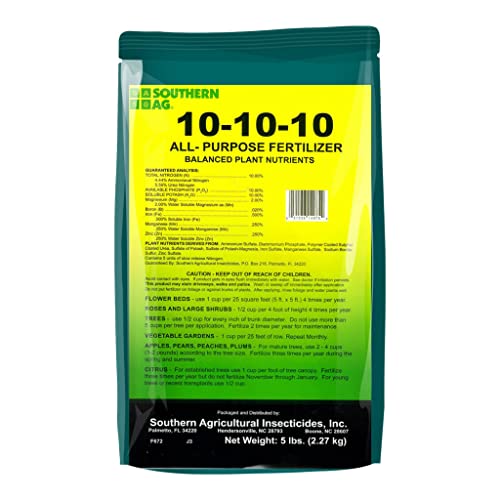
Balanced Fertilizer Application for Jujube Trees
Balanced fertilizer application is crucial for the healthy growth of jujube trees in Delaware. Understanding the specific nutrient needs of these trees can enhance fruit production and overall vitality. This section explores the optimal fertilization strategies tailored for the Mid-Atlantic climate, ensuring that jujube trees thrive in local conditions.
Use a balanced fertilizer in early spring.
N-P-K Ratio: 10-10-10 or similar
Application: Follow package instructions for dosage
Dormant Pruning Strategies for Jujube Trees
Dormant pruning is essential for maintaining the health and productivity of jujube trees in Delaware. This section outlines effective strategies tailored to the unique climate and growth patterns of the Mid-Atlantic region, ensuring that your trees thrive and produce abundant fruit. Understanding these techniques will help you optimize your jujube tree care during the critical dormant season.
Prune during dormancy to maintain shape and remove dead or diseased wood.
Timing: Late winter or early spring
Method: Thin out crowded branches to improve air circulation
Jujube Tree Pest Monitoring Techniques
Effective pest monitoring is crucial for maintaining the health of jujube trees in Delaware. This section outlines various techniques to identify and manage common pests that may threaten these trees, ensuring optimal growth and fruit production. By employing these strategies, growers can protect their crops and enhance overall yield.
Jujube trees are generally resistant to pests and diseases. However, monitoring is essential for early detection.
Jujube Tree Pest Identification
Understanding the pests that affect jujube trees is crucial for successful cultivation in Delaware’s climate. This section provides detailed insights into common pests that may threaten your trees, along with identification tips and management strategies to ensure a healthy harvest. By recognizing these pests early, you can take proactive measures to protect your jujube trees effectively.
Aphids: Small, sap-sucking insects
Spider Mites: Tiny pests causing leaf discoloration
Fungal Infection Prevention Strategies
Fungal infections can pose significant threats to jujube trees, particularly in the humid conditions of Delaware. Implementing effective prevention strategies is essential for maintaining the health and productivity of these trees. This section outlines practical measures to mitigate the risk of fungal diseases and ensure robust growth in the Mid-Atlantic climate.
Fungal Infections: Ensure good air circulation to prevent mildew.
Root Rot: Avoid overwatering and ensure proper drainage.
| Pest/Disease | Symptoms | Control Methods |
|---|---|---|
| Aphids | Curling leaves | Insecticidal soap |
| Spider Mites | Yellow spots | Neem oil application |
Optimal Timing for Jujube Harvesting
Understanding the optimal timing for harvesting jujube trees is crucial for ensuring the best quality fruit in Delaware’s climate. This section details the specific indicators and seasonal cues that signal when jujubes are ready for harvest, allowing growers to maximize their yield and flavor. Proper timing not only enhances the fruit’s taste but also contributes to overall tree health.
Harvesting jujube fruit requires timing and technique. The fruit is ready when it turns a rich brown color and is slightly soft to the touch.
Jujube Fruit Harvesting Guidelines
Harvesting jujube fruit requires careful timing and technique to ensure the best flavor and quality. In Delaware’s unique climate, understanding the optimal conditions for picking can significantly impact your yield. This section provides essential guidelines for successfully harvesting jujube fruit, helping you maximize your crop’s potential.
Check Color: Look for a uniform brown color.
Gently Twist: Twist the fruit to detach from the stem.
Handle Carefully: Avoid bruising the fruit during collection.
Jujube Fruit Storage Best Practices
Proper storage of jujube fruit is essential to maintain its quality and flavor after harvest. Understanding the best practices for storing this unique fruit can help maximize its shelf life and ensure that it remains delicious for consumption or sale. This section outlines effective methods to keep jujube fruit fresh and flavorful.
Store harvested fruit in a cool, dry place.
Refrigeration: Extends shelf life
Drying: Enhances sweetness and preserves for longer periods
Jujube Trees and Their Ecological Benefits in Delaware
Jujube trees offer a range of ecological benefits that can enhance the landscape of Delaware. Their adaptability to local conditions, coupled with their ability to support wildlife and improve soil health, makes them a valuable addition to the Mid-Atlantic region. Understanding these benefits can help gardeners and landowners make informed decisions about incorporating jujube trees into their environments.
Jujube trees offer numerous benefits beyond fruit production. They enhance biodiversity and provide habitat for local wildlife.
Pollinator Habitat Enhancement
Enhancing pollinator habitats is crucial for the overall health of ecosystems, especially in regions like Delaware where jujube trees thrive. This section explores effective strategies for creating and maintaining environments that support pollinators, ensuring that these vital species can flourish alongside the cultivation of jujube trees. Implementing these practices not only benefits pollinators but also contributes to the productivity of local agriculture.
Pollinator Support: Attracts bees and beneficial insects.
Soil Improvement: Deep roots help aerate the soil.
Market Potential for Jujube Cultivation
The market potential for jujube cultivation in Delaware is gaining attention as interest in this unique fruit grows. With its adaptability to local conditions and increasing consumer demand for diverse produce, understanding the economic viability and opportunities in this sector is essential for aspiring growers in the Mid-Atlantic region.
Growing jujube trees can provide a unique market opportunity. Local farmers can capitalize on the growing interest in exotic fruits.
| Benefit | Description |
|---|---|
| Biodiversity | Supports local ecosystems |
| Market Demand | Increasing interest in unique fruits |
Planting jujube trees in Delaware can be a rewarding endeavor. With the right knowledge and care, you can enjoy the fruits of your labor for years to come.
