

Ever wondered which fruit trees will give you the quickest harvest? If you’re eager to enjoy fresh fruit from your own backyard, knowing the fastest-growing options can make all the difference.
Key Takeaways
- Fast-Growing Options: Select fruit trees like cherry, apple, peach, plum, and fig for quick yields, typically maturing within three to five years.
- Optimal Growth Conditions: Ensure proper climate, soil quality, and a consistent watering regimen to enhance the growth rate of your fruit trees.
- Maintenance Practices: Regular pruning and fertilizing are essential for maximizing tree growth and fruit production.
- Soil Requirements: Use well-drained, rich soil tailored to each fruit tree’s needs, with pH levels ideally between 6.0 and 7.0 for optimal nutrient availability.
- Grafting Benefits: Consider grafting techniques to accelerate fruiting processes and establish trees more rapidly compared to seedling-grown varieties.
What Are Fast-Growing Fruit Trees?
Fast-growing fruit trees provide quick yields, allowing you to enjoy fresh fruit sooner. Choosing the right varieties can transform your garden into a fruitful oasis. These trees typically reach maturity in a shorter span, often within three to five years.
Types of Fast-Growing Fruit Trees
- Cherry Trees
- Cherry trees, particularly the dwarf varieties, grow rapidly. They offer delicious, sweet fruits in a compact form.
- Apple Trees
- Certain apple tree varieties, like the Honeycrisp, thrive quickly. Expect a bountiful harvest within a few years.
- Peach Trees
- Peach trees, especially the Redhaven, mature fast. You’ll taste juicy peaches in no time.
- Plum Trees
- Plum trees, such as the Methley, flourish in various climates. These trees produce succulent fruit quickly.
- Fig Trees
- Fig trees, like Brown Turkey, adapt well and grow swiftly. You’ll enjoy fresh figs within a few seasons.
Factors Influencing Growth Rate
- Climate
- Fruit trees flourish in climates that match their needs. Regular sunlight and appropriate temperatures boost growth.
- Soil Quality
- Healthy soil impacts tree growth. Rich, well-draining soil nurtures roots and promotes speedy development.
- Watering Regimen
- Consistent water is essential. Water trees regularly to support strong growth while avoiding overwatering.
- Maintenance Practices
- Pruning and fertilizing encourage growth. Maintain your trees to maximize their potential and fruiting capacity.
Fast-Growing Varieties to Consider
To simplify your decision-making process, here’s a table with specific fast-growing fruit trees and their average maturity times:
| Fruit Tree | Average Time to Maturity |
|---|---|
| Cherry | 3-4 years |
| Apple | 3-5 years |
| Peach | 3-4 years |
| Plum | 3-4 years |
| Fig | 3-5 years |
Selecting the right fast-growing fruit trees can significantly enhance your garden experience. With proper care, your trees can flourish, providing delicious fruit for years to come.
Popular Fast-Growing Fruit Trees
Fast-growing fruit trees allow you to enjoy fresh fruit in a short period. Below are some popular options that thrive well in various environments.
Apple Trees
Apple trees usually mature within three to five years, making them a popular choice for home gardens. Varieties like ‘Honeycrisp’ and ‘Fuji’ are known for their quick growth and delicious fruits.
- Soil Requirement: Well-drained, loamy soil encourages growth.
- Sunlight: Full sun for at least six hours daily boosts production.
- Watering: Consistent moisture helps to establish roots.
You can also plant apple trees as dwarf varieties, which are smaller and mature faster.
Peach Trees
Peach trees typically produce fruit in three to four years. Varieties like ‘Elberta’ and ‘Redhaven’ are favored for their sweet, juicy peaches.
- Soil Requirement: Sandy, well-drained soil supports rapid growth.
- Sunlight: Eight hours of sunlight daily ensures healthy development.
- Watering: Deep watering once a week promotes strong growth.
Consider grafting to speed up the fruiting process. Grafted trees establish faster than seedling-grown ones.
Cherry Trees
Cherry trees reach maturity in four to six years. Sweet varieties like ‘Bing’ and tart varieties like ‘Montmorency’ are excellent choices for quick yields.
- Soil Requirement: Loamy, slightly acidic soil facilitates optimal growth.
- Sunlight: They thrive in full sun, ideally eight to ten hours per day.
- Watering: Regular watering during dry spells enhances fruit set.
Choosing self-pollinating varieties, such as ‘Stella,’ allows for better fruit production without the need for multiple trees.
Factors Influencing Growth Rate
Several key factors affect how quickly fruit trees grow. Understanding these aspects allows you to maximize growth and ensure a fruitful harvest.
Recommended Products

Accurate Soil pH Testing: Dewildetradingco Soil pH Test Strips offer measurements of soil pH levels (pH 3.5-9). As an essential tool for every gardener and grower, these test strips help determine the optimal pH for various plants, such as outdoor plants, indoor plants, gardens, grass lawns, fruit trees, flowers, vegetables, and forest shrubs.

Kindly NOTE: This soil tester can not be applied to test pH value of any other liquid. If the soil is too dry the indicator will not move, and water it before testing.

KNOW BEFORE YOU GROW | Grow the healthiest, sustainable lawn and garden with the most accurate and easy to use professional soil test kit on the market
Climate Conditions
Climate plays a crucial role in the growth rate of fruit trees. Each variety thrives in specific temperature ranges and environmental conditions. For example, apple and peach trees flourish in temperate climates, while citrus trees prefer warmer, subtropical zones.
To promote growth, ensure your chosen trees match your local climate. Pay attention to frost dates, as late frosts can damage budding trees. For optimal fruit production, aim for a climate that provides at least 6-8 hours of sunlight daily.
Soil Quality
Soil quality significantly influences the speed at which fruit trees grow. Well-drained, loamy soil rich in organic matter supports vigorous growth. Soil pH levels affect nutrient availability, so aim for a pH between 6.0 and 7.0 for most fruit trees.
Test your soil before planting, and amend it as needed. Adding compost can improve soil structure and fertility. Ensure proper drainage to prevent waterlogging, which can lead to root rot. For instance, peach trees require sandy soil to thrive, while cherry trees prefer slightly heavier soils with good drainage properties. Proper soil care leads to healthier trees and quicker yields.
Care Tips for Fast Growth
To achieve fast growth in fruit trees, proper care practices are essential. Focus on proper watering and fertilization techniques to maximize growth rates and ensure healthy trees.
Recommended Products
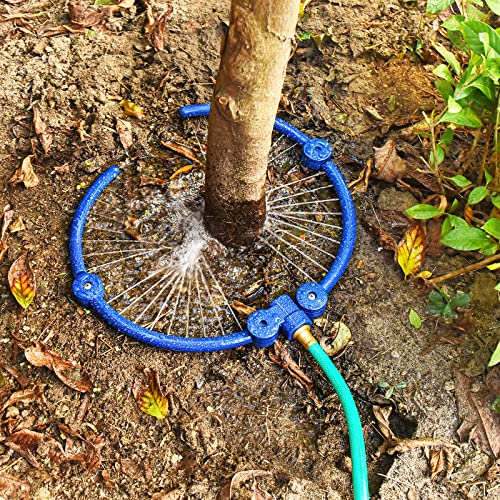
【Specially Designed for Trees and Shrubs】 The Watering Ring is a multi-purpose irrigation ring that attaches to a garden hose to efficiently water young trees shrubs vegetables or flower beds using drip or trickle irrigation.It directs water to the root perimeter of the plant to give them a good start during the first two growing seasons or through periods of drought.

Effortless Watering Automation: The Orbit Mechanical Water Timer helps manage lawn and garden irrigation with a reliable mechanical water timer design and hose faucet timer control

SAVE TIME AND EFFORT: This plant watering kit has everything you need to get started with drip irrigation and precisely water up to ten individual plants. Use the kit to build, expand, or repair a drip irrigation system
Proper Watering
Watering plays a critical role in the growth of fruit trees. Regular, deep watering encourages root development and strengthens the tree. Water your trees once or twice a week, providing about one inch of water each time. Adjust the frequency based on rainfall and soil moisture.
- Soil Check: Ensure the soil is moist, not soggy. Use your finger to check the moisture level one to two inches below the surface.
- Morning Timing: Water in the morning to minimize evaporation and fungal diseases.
- Mulching: Apply mulch around the base of your trees to retain soil moisture and regulate temperature.
Fertilization Techniques
Fertilization enhances growth by supplying essential nutrients. The type and timing of fertilization matter significantly.
- Balanced Fertilizers: Use a balanced fertilizer (e.g., 10-10-10 NPK) during the first year after planting. Apply at the beginning of the growing season.
- Gradual Feeding: After the first year, switch to a slow-release fertilizer tailored for fruit trees. This method provides a steady supply of nutrients.
- Organic Options: Consider organic fertilizers like compost or well-rotted manure. These add nutrients and improve soil structure.
Combine these practices to provide optimal conditions for your fast-growing fruit trees. Regular monitoring and adjustments will lead to fruitful outcomes.
Conclusion
Choosing fast-growing fruit trees can transform your garden into a bountiful oasis in just a few years. By selecting the right varieties and providing them with the care they need, you’ll enjoy fresh, delicious fruits sooner than you think.
Remember to consider your local climate and soil conditions to ensure your trees thrive. With a bit of patience and attention, you’ll not only enhance your gardening experience but also create lasting memories with the fruits of your labor. So go ahead and plant those trees—your taste buds will thank you!
Frequently Asked Questions
What are fast-growing fruit trees?
Fast-growing fruit trees are varieties that reach maturity and produce fruit within three to five years. They allow gardeners to enjoy fresh fruit sooner compared to slower-growing varieties.
Which fruit trees grow the fastest?
Some of the fastest-growing fruit trees include apple, peach, cherry, plum, and fig trees. Varieties like ‘Honeycrisp’ apple, ‘Elberta’ peach, and ‘Bing’ cherry are known for their quick yields.
How can I ensure my fruit trees grow quickly?
To promote fast growth, provide well-drained, loamy soil, ample sunlight, and consistent deep watering. Regular care, including fertilization and mulching, also supports healthy development.
What soil conditions do fruit trees need?
Most fast-growing fruit trees thrive in well-drained, loamy soil rich in organic matter. Specific tree types may prefer sandy soils for drainage, while others need heavier soils for stability.
How often should I water my fruit trees?
It is recommended to water fruit trees about once or twice a week, ensuring about one inch of water per session. Morning watering helps reduce evaporation and supports healthy growth.
Are there specific climates for planting fruit trees?
Yes, different fruit tree varieties thrive in specific climates. For example, apple and peach trees do well in temperate regions, while citrus trees prefer warmer zones. Always match your tree choice to local climate conditions.
What is the benefit of mulching around fruit trees?
Mulching helps retain soil moisture, regulate temperature, and reduce weed growth. A proper layer of mulch around the base of fruit trees can significantly improve their growing conditions.
How do I fertilize my young fruit trees?
In the first year, use balanced fertilizers, then switch to slow-release options as they mature. Organic fertilizers, like compost, can also be beneficial for promoting healthy growth and fruit production.
