

Have you ever planted a beautiful fruit tree only to find that squirrels have snatched away your hard-earned harvest? You’re not alone. Many gardeners face the same frustrating challenge when trying to enjoy the fruits of their labor.
Imagine growing your own apples, pears, or cherries, only to watch them disappear before you can take a bite. It can feel disheartening, but the good news is that some fruit trees are less appealing to these furry little thieves.
In this article, you’ll discover which fruit trees squirrels tend to avoid. By choosing the right trees, you can protect your garden and enjoy a bountiful harvest without the worry of pesky squirrels ruining your plans.
Key Takeaways
- Squirrels Prefer Sweet Fruits: Squirrels are attracted to sweet, soft fruits like apples and peaches, making them common targets in gardens.
- Resistant Fruit Trees: Citrus, stone fruit, and tropical trees are less appealing to squirrels, helping gardeners secure a better harvest.
- Understanding Squirrel Behavior: Knowledge of squirrel feeding habits, including dietary preferences, can guide tree selection to minimize pest issues.
- Environmental Factors Matter: Squirrel activity is influenced by environmental conditions and the availability of alternative food sources in the area.
- Effective Protection Strategies: Employing physical barriers like fencing and scare tactics, such as reflective objects and decoys, can significantly deter squirrels from fruit trees.
Overview of Squirrel Behavior
Squirrels are known for their resourcefulness in finding food. Understanding their diet can help determine which fruit trees they avoid.
Understanding Squirrel Diet
Squirrels primarily consume nuts, seeds, fruits, and vegetables. They prefer high-fat and high-energy foods, making nuts their top choice. Fruits with tough skins or strong flavors tend to be less appealing. You can attract or deter squirrels by knowing their preferences.
Common Fruits Consumed by Squirrels
Squirrels commonly eat apples, peaches, cherries, and berries. These fruits are sweet and easy to access, making them favorites. If you grow these fruits, be prepared for squirrel visits. However, some trees may offer fruits less appealing to them, which could lessen their impact on your harvest.
Fruit Trees Less Likely to Attract Squirrels
Certain fruit trees are less appealing to squirrels, making them ideal choices for your garden. By focusing on these species, you can protect your harvest from these furry intruders.
Recommended Products

KILLS LISTED FRUIT & CITRUS TREE INSECTS: Controls Asian Citrus Psyllid, Whiteflies, Aphids Thrips, Citrus Leafminers, Leafhoppers, Blackfly, Mealybugs, Scales, Avocado Lacebugs, Oriental Beetles, Flea Beetles, Sharpshooters, and Spittlebugs

Durable Material --- Made of white nylon mesh cloth, light-weight and see-through, good for air sunlight water flow, can be reusable.
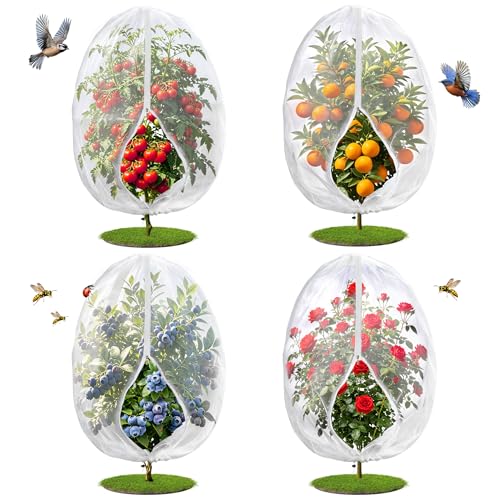
【Product Size】Fruit tree netting comes in four sizes (width * height): 2.7Ft x 3.3Ft, 4Ft x 5Ft, 4.6Ft x 5.9Ft and 10FT x 10FT. The netting can accommodate most fruit trees and you can purchase according to your fruit tree's size. The large size avoids the hassle of splicing multiple nets together and provides comprehensive coverage from the crown to the trunk, making it perfect for planting enthusiasts
Citrus Trees
Citrus trees, including oranges, lemons, and limes, tend to repel squirrels due to their sour taste. Squirrels generally prefer sweet fruits, so you’ll find these trees less attractive to them. Planting a variety of citrus fruits can provide you with zesty snacks while minimizing the risk of squirrel theft.
Stone Fruit Trees
Stone fruit trees, such as apricots, plums, and cherries, usually have tougher skins and flavors that deter squirrels. While they might nibble on overripe fruits, they typically won’t ravage your harvest. Choosing resistant varieties can help you enjoy fresh stone fruits without the hassle of pests invading your garden.
Tropical Fruit Trees
Tropical fruit trees, like avocado and banana, also attract fewer squirrels. Their unique textures and flavors don’t appeal to these critters, allowing you to cultivate tropical delights with less concern for pests. Consider integrating tropical varieties into your garden layout for a diverse and squirrel-resistant experience.
Factors Influencing Squirrel Feeding Habits
Several factors affect what squirrels choose to eat, influencing your gardening strategies. Understanding these elements can help you protect your fruit trees effectively.
Recommended Products

Effective Fruit Tree Netting: Premium Garden netting creates a barrier to protect your fruit trees, blueberries, apples, tomatoes, and berries, ensure the health and abundance of your garden; Bugs, Insects, aphids, Cicadas, birds, chickens, and squirrels will stay away from your trees
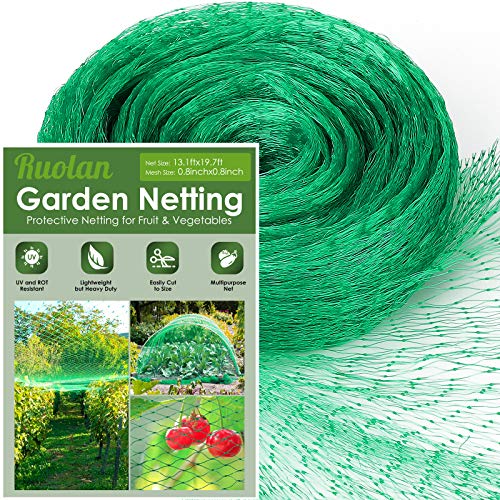
【Perfect size】(Garden Netting size 13ftX20ft, Mesh Size 0.8inchX0.8inch), Protect fruit tree plant blueberry strawberry from animals

STRONG TREE PROTECTION: 3 large 8×8 ft nets provide full coverage for medium to large fruit trees, effectively protecting fruits from birds, insects, squirrels and other pests. Minimizes gaps to ensure reliable, all-around fruit protection.
Environmental Conditions
Environmental conditions play a crucial role in squirrel feeding habits. Weather that is milder may increase squirrel activity and foraging. Squirrels prefer areas with plenty of cover, such as dense trees and shrubs. Gardens near woodlands or parks attract more squirrels due to easy access to food. High humidity and rainfall can also affect the availability of their preferred food sources, prompting them to seek alternatives, including your fruits.
Availability of Alternative Food Sources
Availability of alternative food sources significantly impacts squirrel diets. When other food options, such as acorns, nuts, and wild fruits, are abundant, squirrels are less likely to target your fruit trees. If local wildlife supplies plentiful food, they may ignore cultivated fruits. In times of food scarcity, squirrels may venture into gardens, increasing the risk to your harvest. Regularly inspecting the area for natural food sources can give you an idea of when squirrels might be a threat to your trees.
Tips to Protect Fruit Trees from Squirrels
Protecting your fruit trees from squirrels requires a proactive approach. Implementing a combination of physical barriers and deterrents can help keep these furry intruders away from your harvest.
Recommended Products

Humane Lawn & Garden Protection - Help protect lawns, gardens, flower beds, and landscaping from unwanted animal visitors with a motion-activated sprinkler that responds with a burst of water.

MOTION DETECTION: Detecting animal heat and movement within 60 feet, as the advanced infrared sensor instantly triggers a startling water spray to effectively repel squirrels, cats, deer, raccoons, and other nuisance pests from your yard
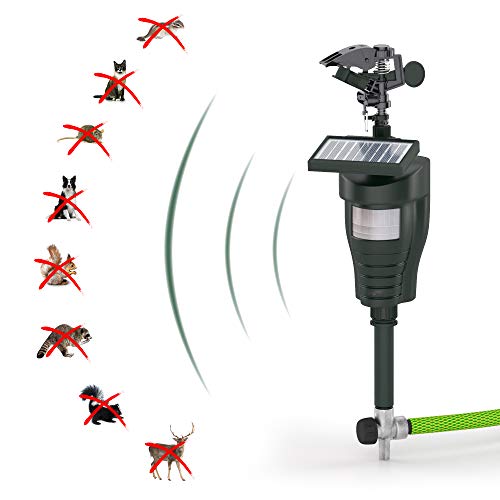
-PEST CONTROL ENGINEERED TO WORK | Cobra-Jet Sprayer Device Provides Dependable 24/7 Defense Against Deer, Rabbits, Foxes, Squirrels, Raccoons, Birds, Bears, Cats, Dogs, Rodents & Other Outdoor Lawn, Yard, Plant & Garden Threats
Fencing and Barriers
Constructing a strong barrier around your fruit trees effectively prevents squirrel access. Use materials like chicken wire or hardware cloth. Ensure the fence extends at least 3 feet high and bury it about 1 foot into the ground to deter digging. You may also consider creating a cage that surrounds each tree with a diameter of at least 3 feet, which provides plenty of space for the tree to grow while keeping squirrels at bay.
Utilizing Scare Tactics
Employing scare tactics can also deter squirrels. Hang reflective objects such as CDs or aluminum foil strips near your fruit trees; their shiny surfaces can confuse and frighten squirrels. Additionally, using motion-activated sprinklers can startle squirrels when they approach, encouraging them to rethink their visit. Another effective tactic involves placing decoys, like plastic owls or fake snakes, around your trees; these can create an illusion of predators and keep squirrels away.
By combining these methods, you can create a more resilient environment for your fruit trees, ensuring a better chance for a fruitful harvest.
Conclusion
Choosing the right fruit trees can make all the difference in keeping squirrels at bay. By opting for citrus trees or stone fruits you can enjoy a bountiful harvest without the worry of furry thieves.
Remember to consider your garden’s environment and the availability of natural food sources. With a little planning and some creative deterrents you can create a squirrel-resistant oasis.
So go ahead and plant those trees knowing you’re taking steps to protect your hard work. Happy gardening and may your fruits flourish!
Frequently Asked Questions
What fruits do squirrels commonly steal from gardens?
Squirrels tend to target fruits like apples, peaches, cherries, and berries. Their natural inclination toward high-energy foods makes these fruits appealing, leading to disappointment for gardeners.
How can I deter squirrels from my fruit trees?
You can deter squirrels by using physical barriers such as chicken wire or hardware cloth around your trees. Additionally, utilize scare tactics like reflective objects, motion-activated sprinklers, and plastic decoys to protect your harvest.
Which fruit trees are least appealing to squirrels?
Fruit trees that are less attractive to squirrels include citrus trees (oranges, lemons, limes), stone fruits (apricots, plums), and tropical fruits (avocados, bananas) due to their tough skins or sour flavors.
What factors influence squirrel feeding behavior?
Squirrel feeding habits are influenced by environmental conditions and the availability of natural food sources. Milder weather increases activity, while abundance in wild fruits and nuts can reduce their interest in cultivated fruits.
How high should barriers be to protect fruit trees from squirrels?
Barriers should be at least 3 feet high and buried 1 foot into the ground to effectively deter squirrels from accessing the fruit trees in your garden.
