

Growing apricot trees in Bakersfield, CA, is achievable with the right techniques for managing the hot climate. Proper selection of varieties and effective irrigation practices can lead to a fruitful harvest.
Heat-Tolerant Apricot Varieties for Bakersfield
Choosing the right apricot variety is crucial for success in Bakersfield’s hot climate. Certain varieties thrive better under high temperatures and can withstand the region’s dry conditions. Look for heat-tolerant options that produce fruit early in the season to avoid the intense summer heat. Recommended varieties include:
Tilton: Known for its sweet flavor and good yield.
Katy: A low-chill variety that produces consistently in warm climates.
Blenheim: Popular for its rich taste and adaptability.
Recommended Products

VIBRANT & LONG LASTING DOUBLE BLOOMS: Our Zinnia Hybrida Profusion Apricot Flower Seeds features stunning double blooms in vivid apricot hues. Its high-impact colors provide a continuous display of vibrant flowers all summer long, ensuring your garden stays full of life and color for months.


EARLY BLOOMS & VIBRANT COLORS: Papaya Periwinkle (Catharanthus Roseus Tattoo Papaya) flowers up to two weeks earlier than other vinca varieties, bringing big, bright blossoms in a stunning dark peach color. These long-lasting flowers bloom continuously from late spring to late summer, providing a lively and colorful display for months.
Soil Amendments for Apricot Tree Growth
To cultivate healthy apricot trees in Bakersfield’s hot climate, understanding the right soil amendments is crucial. The local soil conditions can significantly impact tree growth and fruit production, making it essential to enhance soil quality with appropriate nutrients and organic matter. This section explores effective amendments to ensure robust apricot trees thrive in the region.
Soil preparation is essential for healthy apricot trees. The right soil conditions promote root development and fruit production.
Bakersfield’s soil may require amendments to ensure proper drainage and nutrient availability. Follow these steps for optimal soil preparation:
Test the Soil: Check pH levels and nutrient content.
Amend the Soil: Add organic matter like compost to improve texture.
Ensure Drainage: Create raised beds if drainage is an issue.
| Soil Component | Recommended Amount |
|---|---|
| Compost | 2-3 inches |
| Sand | 1-2 inches |
| Fertilizer | Based on soil test |
Irrigation Strategies for Apricot Trees
Effective irrigation is crucial for cultivating apricot trees in Bakersfield’s hot climate. Given the region’s high temperatures and potential water scarcity, implementing tailored irrigation strategies can significantly enhance tree health and fruit yield. Understanding the best practices for watering will ensure successful growth and fruit production in this challenging environment.
Irrigation is vital for apricot trees in hot climates. Proper watering techniques can prevent stress and enhance fruit quality. Consider implementing the following irrigation strategies:
Drip Irrigation: Provides consistent moisture directly to the roots.
Mulching: Retains soil moisture and reduces evaporation.
Timing: Water early in the morning to minimize evaporation loss.
Recommended Products
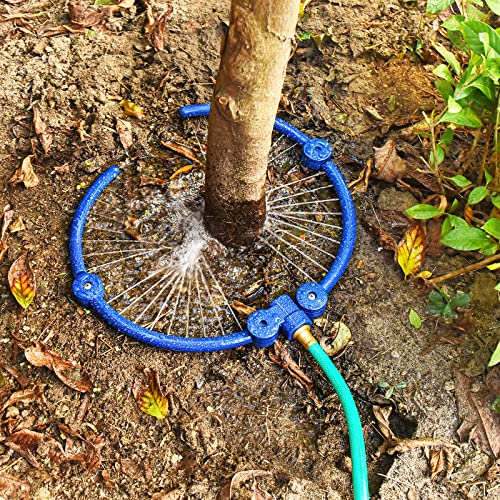
【Specially Designed for Trees and Shrubs】 The Watering Ring is a multi-purpose irrigation ring that attaches to a garden hose to efficiently water young trees shrubs vegetables or flower beds using drip or trickle irrigation.It directs water to the root perimeter of the plant to give them a good start during the first two growing seasons or through periods of drought.

NO MORE HARD INSTALLATION - SET UP IN MINUTES. Tired of struggling with stiff barbed fittings? This drip irrigation system features quick-connect fittings that let you push, lock, and secure tubing effortlessly. No tools, no leaks, just a smooth setup experience. Enjoy a frustration-free installation and get your garden watering system running in minutes.

🍀【Extra-Long 50FT 5/16” Mainline Tubing】 With 50 feet of premium 5/16” main tubing, you have more flexibility to build a central watering path across larger garden layouts. The enhanced flow capacity supports multiple emitters with consistent water pressure throughout your irrigation zones.
Pest Control Strategies for Apricot Trees
Managing pests is crucial for the health and productivity of apricot trees, especially in the hot climate of Bakersfield, CA. Effective pest control strategies can protect your trees from common threats, ensuring a bountiful harvest. This section outlines practical approaches to safeguard your apricot trees from pests while promoting their growth and vitality.
Managing pests and diseases is essential for maintaining healthy apricot trees. Common issues include aphids, spider mites, and fungal infections.
Regular monitoring and proactive measures can mitigate these risks. Implement these management techniques:
Regular Inspections: Check for signs of pests or diseases weekly.
Natural Predators: Introduce ladybugs to control aphid populations.
Fungicides: Use organic fungicides if fungal infections appear.
| Pest/Disease | Control Method | Severity (1-5) |
|---|---|---|
| Aphids | Natural predators | 2 |
| Spider Mites | Insecticidal soap | 3 |
| Fungal Infections | Organic fungicides | 4 |
Recommended Products

3-IN-1 GARDEN CARE SPRAY - Earth’s Ally 3-in-1 Plant Spray is a ready-to-use botanical oil spray designed for indoor and outdoor plant care. The houseplant pest spray effectively kills and controls soft-bodied insects and common plant diseases with a synergistic blend of essential oils.

KILLS LISTED FRUIT & CITRUS TREE INSECTS: Controls Asian Citrus Psyllid, Whiteflies, Aphids Thrips, Citrus Leafminers, Leafhoppers, Blackfly, Mealybugs, Scales, Avocado Lacebugs, Oriental Beetles, Flea Beetles, Sharpshooters, and Spittlebugs

INSECT KILLER: Fast-acting formula kills listed insects including aphids, Japanese beetles, caterpillars, whiteflies, and other listed pests on contact
Pruning Techniques for Apricot Trees
Pruning is a crucial aspect of cultivating healthy apricot trees, especially in the hot climate of Bakersfield, CA. Proper techniques not only enhance fruit production but also promote tree health and resilience against pests and diseases. Understanding the right methods for pruning can lead to a more fruitful and robust apricot harvest.
Pruning is a critical practice for ensuring the health and productivity of apricot trees. Proper pruning techniques can enhance air circulation and sunlight penetration. Follow these guidelines for effective pruning:
Timing: Prune during dormancy in late winter.
Tools: Use sharp, clean tools to prevent disease spread.
Technique: Remove dead or crossing branches to promote growth.
Optimal Apricot Harvest Indicators
Understanding the optimal indicators for apricot harvest is crucial for growers in Bakersfield, CA, where the hot climate can significantly influence fruit quality and yield. By recognizing the right signs of maturity, farmers can ensure a successful harvest that maximizes both flavor and marketability. This section delves into the key factors to look for when determining the perfect time to pick apricots.
Harvesting apricots at the right time ensures the best flavor and quality. Overripe fruit can attract pests and spoil quickly. Monitor the following indicators for optimal harvest timing:
Color: Look for a rich, golden hue.
Firmness: Gently squeeze to check for slight softness.
Ease of Picking: The fruit should come off the tree with minimal effort.
Harvesting too late can lead to fruit loss and decreased quality.
Successful Apricot Cultivation Techniques
Growing apricot trees in Bakersfield’s hot climate requires specific techniques to ensure successful cultivation. Understanding the unique challenges posed by high temperatures and soil conditions is essential for maximizing fruit yield and tree health. This section explores effective strategies tailored to the region’s climate, helping both novice and experienced gardeners thrive.
Growing apricot trees in Bakersfield requires careful planning and management. By selecting appropriate varieties, preparing soil, implementing effective irrigation, managing pests, pruning properly, and harvesting at the right time, you can achieve a successful apricot harvest.
