

Have you ever thought about growing your own fruit trees from seed? It might seem like a daunting task, but it can be a rewarding and fun experience. Whether you’re looking to save money or just want to try something new, starting fruit trees from seed opens up a world of possibilities right in your backyard.
Key Takeaways
- Diverse Fruit Options: You can grow various fruit trees from seeds, including apples, peaches, avocados, cherries, and more, each with unique growing requirements and timeframes for fruiting.
- Seed Preparation is Key: Proper seed preparation such as cleaning, stratification, and soaking is crucial for successful germination and growth.
- Choosing the Right Location: Plant seeds in full sunlight and well-drained soil; appropriate location and depth significantly affect growth.
- Consistent Care and Maintenance: Regular watering, fertilizing with balanced nutrients, and monitoring for pests are essential practices for nurturing young trees.
- Patience Pays Off: Fruiting timelines vary by species, often taking 3 to 10 years; staying committed and setting realistic expectations can lead to rewarding results.
- Common Challenges: Be aware of potential diseases and pests; proactive monitoring and using organic treatments can help mitigate these issues.
Understanding Fruit Trees
Growing fruit trees from seed is a fulfilling activity that opens up various possibilities. Having a basic understanding of fruit trees enhances your experience.
Types of Fruit Trees
Fruits you can grow from seed include:
- Apple Trees: Start with seeds from any apple variety. Expect 6-10 years for fruiting.
- Peach Trees: Use the pit from fresh peaches. It takes about 3-4 years to produce fruit.
- Avocado Trees: Grow from a seed by suspending it over water. Expect fruit in 5-13 years.
- Cherry Trees: Use fresh cherry pits. They may take 5-7 years to bear fruit.
Seed Preparation
Preparing seeds properly increases your success rate. Follow these steps:
- Clean the seeds: Remove any fruit residue from the seeds.
- Stratify the seeds: Mimic winter conditions to enhance germination.
- Soak seeds: Use water to soften the seed coat for better sprouting.
Planting Seeds
To effectively plant your seeds:
- Choose the right location: Seek a spot with full sunlight and well-drained soil.
- Plant at the right depth: Generally, plant seeds twice their width.
- Water consistently: Keep the soil moist, but not soggy.
Care and Maintenance
Caring for your young trees is crucial:
- Fertilize: Use a balanced fertilizer to support growth.
- Prune: Trim as necessary to encourage healthy branching.
- Monitor pests: Keep an eye out for common pests and treat as needed.
- How long until trees bear fruit? It varies by type, generally ranging from 3 to 10 years.
- Can I grow fruit trees indoors? Yes, dwarf varieties thrive indoors with proper light.
By understanding these aspects of fruit trees, you can navigate the growing process with confidence and enjoy the fruits of your labor in time.
Types of Fruit Trees Grown from Seed
Growing fruit trees from seed opens up diverse options for your backyard orchard. You can cultivate both common and exotic varieties.
Recommended Products

Effective Pest Protection: Designed with a dense fine mesh and tight weave, keeps insects, birds, and small animals away from your fruits and vegetables, prevents them eating and damaging your fruit

Used Book in Good Condition
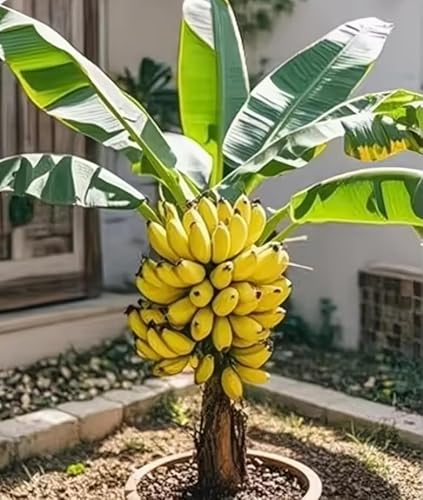
GROWING FACTS: Banana seeds sprout in 2–8 weeks under warm, moist conditions. Rapid germination allows gardeners to enjoy early tropical foliage growth.
Common Fruit Trees
- Apple Trees
Apple trees are popular among home gardeners. They typically take between 5 to 7 years to bear fruit. Choose seeds from different apple varieties for cross-pollination and better yields. - Peach Trees
Peach trees can produce fruit within 3 to 6 years. They thrive in warmer climates and require well-drained soil. Consider planting them in a sunny spot for optimal growth. - Cherry Trees
Cherry trees may take 4 to 7 years to yield fruit. Sweet cherries need cross-pollination, while sour cherries can self-pollinate. Make sure to follow proper stratification techniques for seed preparation. - Plum Trees
Plum trees can start bearing fruit within 3 to 6 years. Select self-pollinating varieties to simplify planting. Regular pruning helps improve air circulation and fruiting potential.
- Avocado Trees
Avocado trees grow well in warm climates and often start fruiting in 4 to 6 years. To enhance growth, use fertile, well-drained soil and ensure plenty of sunlight. You can use a water method to sprout seeds before planting them in soil. - Papaya Trees
Papaya trees are fast-growing and may produce fruit in 6 to 12 months. They prefer warm, tropical conditions and need consistent watering. Make sure to plant them in areas with plenty of sunlight. - Mango Trees
Mango trees need about 5 to 8 years to bear fruit. They thrive in hot climates and well-drained soil. Proper care helps achieve higher fruit quality. Ensure you provide enough space as they can grow quite large. - Guava Trees
Guava trees may yield fruit within 2 to 4 years. Favor sunny, warm locations and well-draining soil. Regular feeding with organic fertilizers promotes healthier growth and fruit production.
By choosing the right fruit trees and following proper care techniques, you can enjoy a fruitful garden in a few years.
Growing Fruit Trees from Seed
Growing fruit trees from seed can be a rewarding journey. By following proper steps, you set yourself up for success and enjoy homegrown fruits.
Recommended Products

Product Quantity: 180+ premium bonsai fruit seeds across 5 varieties; Individual packs contain 40+ apple, 40+ lemon, 40+ orange, 20+ blueberry, and 40+ cherry seeds; Perfect for starting a diverse miniature orchard

Package: 5 Individual Packs, 40+ Lemon Tree Seeds 40+ Cherry Tree Seeds 40+ Orange Tree Seeds 40+ Apple Seeds 20+ Blueberry Seeds

4 kinds of the most popular fruits, individually packaged, 50pcs Lemon seeds 50pcs Cherry seeds 50pcs Orange seeds 50pcs Apple seeds Fresh seeds, all fruit seeds are packed in tear and moisture resistant zipper sealed bags for your long term storage.
Preparing the Seeds
Preparing seeds starts with selection. Choose healthy seeds from ripe fruit. Clean the seeds to remove any pulp or residue. This process helps prevent mold during germination.
Next, stratify seeds for those that require cold treatment, like apples and cherries. This process mimics winter conditions. Place seeds in a damp paper towel, then seal them in a plastic bag. Refrigerate for 6 to 12 weeks. After stratification, soak seeds in water for 24 hours to kickstart the germination process.
Planting and Care
Plant seeds in well-draining soil, about 1 inch deep. Choose containers with drainage holes for excess water to escape. Keep the soil consistently moist but not soggy.
Position your containers in a warm area with indirect sunlight. Once the seedlings emerge, ensure they get adequate light. If indoors, rotate the containers regularly for even growth.
Fertilize weekly with a balanced fertilizer once the seedlings have a few leaves. Monitor for pests and diseases. Address issues promptly to promote healthy growth. Transplant seedlings to larger containers once they reach 6 inches tall. Consider outdoor planting after the last frost when soil temperatures rise.
By following these steps, you cultivate healthy fruit trees that can bear fruit in just a few years.
Challenges of Growing Fruit Trees from Seed
Growing fruit trees from seed offers many rewards, but challenges exist that you should acknowledge. Understanding these obstacles prepares you for a successful experience.
Recommended Products

Protect your oasis with 3 garden products in 1 from Captain Jack’s; Bonide Captain Jack’s Ready-to-Use Neem Oil spray for plants is a multi-purpose fungicide, insecticide and miticide for your lawn & garden

PLANT DISEASE CONTROL: Natria Neem Oil acts as an insecticide and fungicide in one convenient spray; Ready-to-use trigger sprayer requires no mixing

FUNGAL DISEASE CONTROL: Prevents and controls black spot on roses, powdery mildew, rust, downy mildew, and other listed fungal diseases when applied on a 7–14 day schedule
Disease and Pests
Disease and pests pose significant threats to young fruit trees. Fungal infections can arise from excess moisture or poor air circulation. Common pests like aphids and spider mites might invade, damaging leaves and affecting growth.
To combat these issues, you can follow these steps:
- Monitor plants regularly: Check for signs of disease or pest infestations.
- Use organic treatments: Apply neem oil or insecticidal soap to manage pests without harmful chemicals.
- Improve airflow: Space seedlings adequately to enhance ventilation and reduce fungal growth.
- Practice crop rotation: If you grow multiple plants, change their location each season to break pest cycles.
Time and Patience
Growing fruit trees from seed requires time and patience. Many varieties won’t produce fruit for several years. For instance, apple trees can take five to seven years, while avocados may need three to four years.
You’ll need to stay committed during the wait. Here’s how to manage this aspect effectively:
- Choose fast-growing varieties: Select tree types known for quicker fruit production, like figs or papayas.
- Set realistic expectations: Acknowledge that growing trees from seed is a long-term investment.
- Enjoy the process: Engage in other gardening activities while your trees mature; this can make the wait rewarding.
- Document progress: Keep a journal of your growing journey to reflect on improvements and celebrate milestones.
Remember, the success of your fruit trees depends on consistent care and attention despite the time it may take.
Conclusion
Growing fruit trees from seed is an exciting journey that can transform your backyard into a thriving oasis. With a little patience and care you can enjoy the fruits of your labor in just a few years. Remember to choose the right varieties for your climate and follow the essential steps for seed preparation and planting.
As you nurture your seedlings keep an eye out for pests and diseases to ensure healthy growth. Embrace the challenges and celebrate the small victories along the way. Before you know it you’ll be picking fresh fruit right from your own trees. Happy gardening!
Frequently Asked Questions
What types of fruit trees can I grow from seed?
You can grow various fruit trees from seed, including apple, peach, avocado, cherry, and papaya. Each type has unique requirements and timelines for fruiting, with apple trees typically taking 5 to 7 years and papaya about 6 to 12 months.
How do I prepare fruit tree seeds for planting?
Seed preparation involves cleaning the seeds to prevent mold, stratifying cold-requiring seeds, and soaking them to enhance germination. Start by selecting healthy seeds and follow specific preparation methods based on the fruit type.
What is the best location for planting fruit tree seeds?
Choose a location with well-draining soil, adequate sunlight, and protection from strong winds. Ensure the spot has good airflow and maintains moisture to encourage healthy seedling growth.
How long does it take for fruit trees to bear fruit?
The time for fruiting varies greatly by species. For example, apple trees may take 5 to 7 years to produce fruit, while papaya can bear fruit within 6 to 12 months. Patience is key when growing from seed.
What care do fruit trees need as they grow?
As fruit trees grow, they need consistent moisture, proper fertilization, and regular pruning. Monitoring for pests and diseases is essential; use organic treatments and improve airflow to keep plants healthy.
Can I grow dwarf fruit trees indoors?
Yes, dwarf fruit trees can be grown indoors. These varieties are suitable for pots and typically require less space and care, making them ideal for indoor environments. Ensure they receive enough light and moisture.
How do I manage pests and diseases in fruit trees?
Regular monitoring is essential to managing pests like aphids and diseases such as fungal infections. Use organic treatments when needed, practice crop rotation, and maintain good airflow around your trees for better health.
