

Have you ever noticed your fruit trees struggling with pests or diseases? You’re not alone. Many gardeners face the challenge of keeping their trees healthy and productive. One effective solution is using sulfur, but knowing when to spray can make all the difference.
Key Takeaways
- Timing is Essential: Apply sulfur during optimal growth stages, specifically late winter to early spring before bud break, and during the growing season when signs of fungal infections appear.
- Weather Considerations: Favorable weather conditions for sulfur application include temperatures between 40°F and 70°F, low humidity, and calm winds to ensure effective coverage.
- Tree Health Monitoring: Assess your trees’ overall health regularly. Tree stress may necessitate immediate sulfur treatment, while healthy trees can follow a standard schedule.
- Follow Manufacturer Guidelines: Adhere to recommended concentrations and application methods to prevent plant stress and enhance disease management efficiency.
- Enhance Fruit Quality: Sulfur not only helps in disease prevention but also improves soil health, leading to more flavorful and nutrient-rich fruit yields.
- Environmental Impact: When used correctly, sulfur contributes to sustainable gardening practices, promoting overall environmental health.
Importance Of Sulfur In Fruit Tree Care
Sulfur plays a vital role in the health of fruit trees. It helps prevent and control common diseases, particularly fungal infections like powdery mildew, scab, and leaf spot. Regular sulfur application boosts tree resilience against these problems.
Sulfur’s effectiveness is not just in disease prevention. It also acts as a soil amendment, improving soil structure and nutrient availability. Healthy soil leads to stronger roots and more robust fruit trees.
Using sulfur can enhance fruit quality. Trees with adequate sulfur levels produce more flavorful and nutrient-rich fruit. This results in better harvests for your gardens or orchards.
Timing your sulfur applications is crucial. Apply sulfur during key growth stages to maximize its benefits. Early spring and late summer are optimal periods for application. Always follow recommended guidelines for concentrations and application methods to avoid damage to your trees.
Keep in mind the environmental impact. Sulfur is a natural element, and when used correctly, it contributes to sustainable gardening practices.
Best Times To Spray Sulfur On Fruit Trees
Timing is crucial when spraying sulfur on fruit trees. Proper applications at specific growth stages maximize benefits while minimizing risks.
Recommended Products
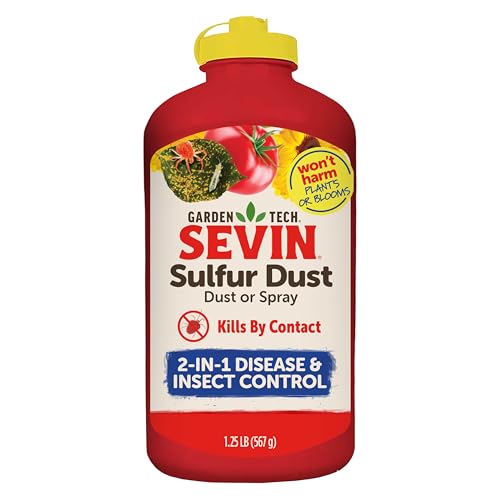
2-in-1 disease & insect control plant spray for the garden to help control plant damage

3-in-1 FORMULA: Aphid spray for outdoor plants for use on roses, flowers, shrubs and trees to control listed insects, disease and mites

Control diseases and insects in your garden with Captain Jack’s Fruit Tree Spray Concentrate! Use on a variety of listed fruits, nuts and citrus plants.
Dormant Season Applications
Spraying sulfur during the dormant season is effective in preventing fungal diseases. Apply sulfur when your trees are leafless, typically late winter to early spring.
- Apply Before Bud Break: Target a window just before buds swell. This timing helps protect trees from early fungal infections.
- Safe Temperatures: Choose days when temperatures are between 40°F and 70°F. Avoid applying sulfur during extreme heat or freezes.
Growing Season Considerations
During the growing season, your approach to sulfur applications shifts. Focus on maintaining tree health and managing fungal outbreaks.
- Monitor Weather Conditions: Spraying after heavy rainfall and high humidity helps combat diseases. Look for signs of fungal infections like powdery mildew.
- Timing With Growth Stages: Apply sulfur when trees set buds and flowers. This protects against diseases while supporting fruit development.
- Frequency of Application: Repeat sulfur applications every 7 to 14 days, as needed. Be vigilant and adjust based on disease pressure.
- Follow Label Instructions: Stick to the manufacturer’s guidelines for sulfur concentration and timing. This prevents plant stress and ensures effective disease management.
By following these guidelines, you promote healthier fruit trees and improve your harvest.
Factors Influencing Sulfur Application Timing
Timing is vital when applying sulfur to fruit trees. Key factors—including weather conditions and tree variety and health—affect your application schedule.
Recommended Products

Designed as an insecticide, fungicide and miticide. Protects from insects, diseases and mites.

Control diseases and insects in your garden with Captain Jack’s Fruit Tree Spray Concentrate! Use on a variety of listed fruits, nuts and citrus plants.

KILLS LISTED FRUIT & CITRUS TREE INSECTS: Controls Asian Citrus Psyllid, Whiteflies, Aphids Thrips, Citrus Leafminers, Leafhoppers, Blackfly, Mealybugs, Scales, Avocado Lacebugs, Oriental Beetles, Flea Beetles, Sharpshooters, and Spittlebugs
Weather Conditions
Weather plays a significant role in when you should spray sulfur. Favorable conditions include:
- Temperature: Apply sulfur when temperatures range between 40°F and 70°F. This range ensures effectiveness and minimizes tree stress.
- Humidity: Low humidity promotes sulfur’s effectiveness by minimizing the risk of fungal growth. Aim for days with lower moisture levels.
- Wind: Calm days are ideal. High winds can disperse sulfur unevenly, making it less effective and potentially affecting nearby plants.
- Precipitation: Avoid spraying right before heavy rain. Rain can wash away sulfur, reducing its efficacy and requiring reapplication.
- Varietal Sensitivity: Some varieties are more prone to diseases and may require sulfur applications at different times. Check specific recommendations for your tree types.
- Tree Growth Stage: Monitor your trees’ growth stages. Early applications before bud break are crucial for preventing diseases in most varieties.
- Tree Health: Assess your trees’ overall health. Trees under stress or showing signs of disease might benefit from immediate sulfur treatment, while healthy trees might follow a standard schedule. Regular monitoring helps identify when additional applications are necessary.
Techniques For Effective Sulfur Application
Effective sulfur application requires attention to equipment and safety. Proper methods ensure your fruit trees receive the benefits without harm.
Recommended Products

APHID KILLER FOR GARDENS: This plant disease and bug control concentrate kills eggs, as well as larval and adult stages of insects; provides control of insect pests including aphids, mealybugs, mites, scales, whiteflies, beetles, and other listed pests

Protect your garden with Fruit Tree & Plant Guard Concentrate from Bonide! Fruit Tree & Plant Guard is effective in controlling a wide range of fungal diseases and insects.

Control diseases and insects in your garden with Captain Jack’s Fruit Tree Spray Concentrate! Use on a variety of listed fruits, nuts and citrus plants.
Spray Equipment and Preparation
Selecting the right equipment is crucial. Use a backpack sprayer or a garden sprayer for targeted application. Ensure the sprayer has a nozzle that produces a fine mist to cover all surfaces.
- Clean the sprayer thoroughly before use. Residues from previous chemicals can harm your trees.
- Prepare the sulfur mixture according to the label instructions. Mix it with water as recommended to achieve the right concentration.
- Check the weather forecast. Aim for a calm day with temperatures between 40°F and 70°F to prevent drift or evaporation.
Safety Precautions
Safety is essential when using sulfur. While it’s a natural element, precautions help protect you and your trees.
- Wear protective clothing, including long sleeves, gloves, and safety goggles. This gear minimizes skin and eye exposure.
- Avoid spraying on windy days. Wind can carry sulfur particles to unintended areas, potentially harming beneficial plants and organisms.
- Keep pets and children away from the spraying area until it dries. This minimizes their exposure to the chemical.
Following these techniques ensures effective sulfur application while promoting healthier fruit trees.
Conclusion
Timing’s everything when it comes to spraying sulfur on your fruit trees. By applying it during key growth stages and favorable weather conditions you can effectively manage pests and diseases. Remember to monitor your trees’ health and adjust your application schedule based on their specific needs.
Using the right equipment and following safety precautions will make your sulfur application more effective and enjoyable. With a little care and attention you’ll be well on your way to healthier trees and a bountiful harvest. Embrace these practices and watch your fruit trees thrive!
Frequently Asked Questions
What are the common challenges gardeners face with fruit trees?
Many gardeners encounter issues with pests and diseases that can hinder the growth and productivity of fruit trees. Common problems include fungal infections like powdery mildew, scab, and leaf spot, which can significantly affect tree health and fruit quality.
How does sulfur help in managing fruit tree health?
Sulfur is an effective solution for maintaining the health of fruit trees. It prevents and controls diseases, particularly fungal infections, while also enhancing soil structure and nutrient availability, leading to stronger roots and healthier trees.
When should sulfur be applied to fruit trees?
Sulfur should ideally be applied during key growth stages, such as early spring and late summer. The best time is during the dormant season before bud break, specifically late winter to early spring, to prevent early fungal infections.
What weather conditions are ideal for sulfur application?
For optimal sulfur application, choose days with temperatures between 40°F and 70°F, low humidity, and calm winds. It’s important to avoid applying sulfur before heavy rain or during extreme weather conditions to prevent plant stress.
How often should sulfur be reapplied?
Sulfur should be reapplied every 7 to 14 days as needed during the growing season, especially when managing fungal outbreaks. Regular monitoring of tree health and growth stages is essential for determining the appropriate timing.
What techniques should be used for effective sulfur application?
Use a backpack or garden sprayer with a fine mist nozzle for targeted application. Ensure the sprayer is thoroughly cleaned before use, and follow safety precautions by wearing protective clothing and avoiding spraying on windy days.
