

Ever thought about climbing a fruit tree? It’s a fun way to connect with nature and enjoy the sweet rewards of your efforts. Whether you’re reminiscing about childhood adventures or looking for a new outdoor activity, climbing fruit trees can be a delightful experience.
Key Takeaways
- Climbable Fruit Trees: Popular varieties for climbing include apple, cherry, peach, fig, and citrus trees, all known for their sturdy branches and height suitable for climbers.
- Safety First: Always assess the tree’s health and branch strength before climbing. Stick to mature trees with robust branches to ensure a safe experience.
- Climbing Techniques: Maintain three points of contact for stability, use your legs for power, and take your time while ascending to minimize the risk of accidents.
- Dress Appropriately: Wear non-slip shoes for better grip, and consider using gloves and a harness for added security and comfort while climbing.
- Harvest Responsibly: When picking fruit, avoid damaging the tree or its branches and ensure you leave the tree healthy for future climbs.
- Choose the Right Height: For beginners, aim for trees between 10 to 20 feet high. Opt for dwarf varieties if you’re new to climbing for a manageable experience.
What Fruit Trees Can You Climb
Climbing fruit trees offers excitement and the thrill of gathering fresh fruit. Several varieties provide sturdy branches and great climbing experiences. Here are some popular fruit trees you can climb.
Apple Trees
Apple trees typically feature strong branches, making them excellent for climbing. They can grow tall, often reaching heights of 20 to 30 feet. Choose a mature tree with adequate limb spread for a safe climbing experience.
Cherry Trees
Cherry trees, especially sweet cherry varieties, usually have thick branches. They also grow between 20 and 30 feet tall. Climbing can be enjoyable during harvest time when the fruit is ripe and accessible.
Peach Trees
Peach trees are another great option. With their sturdy branches, they typically grow about 15 to 25 feet tall. They produce delicious fruit in summer, making climbing even more rewarding.
Fig Trees
Fig trees often have wide, sturdy branches, perfect for climbing. They grow to about 10 to 30 feet. With their lush foliage and abundant fruit, they provide a great climbing experience while offering shade.
Citrus Trees
Citrus trees like orange and lemon trees can also be climbed. They usually reach 10 to 25 feet tall, and their branches are strong enough to support a climber. The fragrant fruit adds an extra incentive to your climbing adventure.
- Choose Wisely: Assess the tree’s strength and health before climbing.
- Wear Proper Shoes: Select non-slip shoes for better grip.
- Climb Safely: Use a sturdy branch for initial ascents, and maintain three points of contact while climbing.
- Harvest Responsibly: Avoid damaging the tree or its branches when picking fruit.
When you decide to climb a fruit tree, prioritize safety and enjoyment. Select the right tree and climb wisely to make the most of your adventure.
Factors to Consider
Climbing fruit trees can be a thrilling experience. Consider these factors to ensure a safe and enjoyable climb.
Recommended Products

High-Strength Alloy Structural Steel: Constructed with high-strength alloy structural steel, these tree climbing spikes support up to 350 lbs for secure climbing. ASTM-F887 certified, they are corrosion-resistant, high-strength, and maintain their shape over time. Ideal for outdoor adventures and tree maintenance, they provide stable support for safer and more efficient climbing.

Upgraded design : Rohseson Tree Climbing Spikes are made of 45# steel by Forging process. This Carbon steel is hard and stronge , not easy to deform , and more durable than stainless steel. The sharp Claws are easy to pierce into tree, which can support you stand or step on tree with more safety. The non-slip pedals can help you stand on spikes with more comfort. Clip-on buckle can help you put on and take off the spikes very easily and fast.

High-quality materials: Our tree climbing gear is made of high-quality hard carbon steel material, which has high hardness and strong penetration, has anti-rust and wear-resistant properties, and can withstand a weight of 220 pounds (about 100 kg), making it suitable for long-term outdoor use. The claws are sharp and hard, ensuring safe and efficient penetration into the trunk.
Tree Height
Tree height impacts your climbing experience. Aim for trees between 10 to 20 feet high. These heights provide ample climbing opportunities without being too daunting. If you’re a beginner, start with shorter trees, like dwarf apple varieties, which typically reach around 6 to 10 feet. For more experienced climbers, standard peach or cherry trees can add excitement with their greater height.
Branch Strength
Branch strength is crucial for safe climbing. Inspect the branches carefully before climbing. Look for thick, sturdy branches, at least 2 to 4 inches in diameter. Avoid climbing on dead or thin branches, as they can’t support your weight. A well-established tree, like a mature fig tree, often offers the best climbing experience due to its robust branches. Always test the branch before fully putting your weight on it. Ensure it holds firm to maintain safety while you enjoy your climb.
Best Climbing Fruit Trees
Climbing fruit trees can be an exhilarating way to enjoy nature and connect with delicious produce. Here are some of the best options for your climbing adventures.
Recommended Products
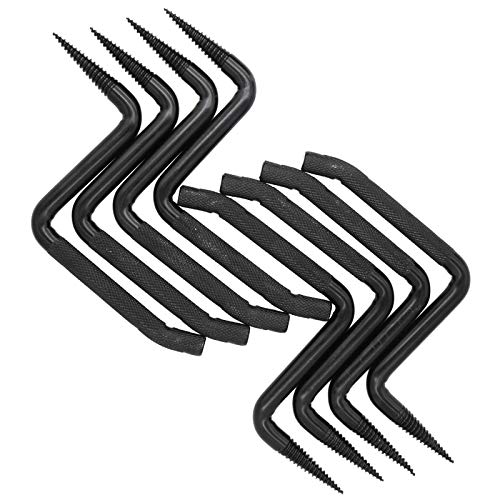
4 INCH TREE STEPS: The Heavy-Duty Tree Steps for Hunting and Climbing, They give you a flat surface for a foothold.

Everything You Need is Included - Steel tree stake kits includes 3 steel stakes (11.8 inch), 3 straps (15.75 inch), and 3 ropes (13.12 FT) for anchoring. The diameter 4mm ropes come with aluminium tensioners for quick set up. Strong metal stakes without the worry of breaking in half or bending like plastic stakes, enough to hold the tree firmly. The straps are wide enough to spread the load so there's little chance that it will damage the bark or constrict the tree in any way

Perfect Tree Staking Kit: Our tree stake straight kits set includes 3 PCS tree strap ties for staking, 3 PCS steel tree stakes, and a 31.2 feet length rope for anchoring. Detailed instructions are included in the product packaging. This is a complete kit that you don't need to buy any other related accessories.
Apple Trees
Apple trees are a favorite for climbing. Their robust branches can support your weight, especially when they’re mature. Many apple varieties, like ‘Honeycrisp’ or ‘Granny Smith,’ grow sturdy branches making them suitable for climbers. Aim for trees between 10 to 20 feet high. Check branches for strength, and avoid those that look weak or dead. Remember to wear shoes with good grip to make your ascent safe and enjoyable.
Cherry Trees
Cherry trees not only provide delicious fruit but also offer excellent climbing experiences. Trees like ‘Bing’ and ‘Rainier’ have thick trunk sizes and strong branches. These trees often grow up to 30 feet tall, giving you ample height without being too daunting. Ensure you choose a well-established tree and inspect the branches closely for any signs of weakness. Be cautious while climbing as the branches can be more delicate than they appear.
Fig Trees
Fig trees make for ideal climbing due to their expansive, sturdy branches. Varieties such as ‘Brown Turkey’ and ‘Kadota’ are particularly robust, supporting climbers well. Fig trees typically reach heights of 10 to 20 feet, making them manageable for climbing without too much risk. Inspect the branches before climbing, as healthy, thick ones yield the best experience. The wide canopy also provides excellent shade during hot days, enhancing your climbing adventure.
Safety Tips for Climbing
Climbing fruit trees can be thrilling, but safety remains a top priority. Here are essential tips for a secure and enjoyable experience.
Gear and Equipment
- Wear Proper Footwear: Use sturdy shoes with good grip, like hiking boots or sneakers. They provide stability and reduce slipping while climbing.
- Use a Harness: If you’re climbing especially high trees or for extended periods, consider using a safety harness. It enhances security and allows for hands-free climbing.
- Bring a Climbing Rope: A rope can aid in navigation and can provide added safety, particularly with taller trees.
- Carry Gloves: Gloves protect your hands from rough bark and help improve your grip on branches.
- Have a Friend with You: Climbing with a buddy adds an extra layer of safety. They can assist if you encounter difficulties or need help.
- Assess the Tree: Before starting, evaluate the tree’s health and branch suitability. Ensure branches are thick and robust, avoiding dead or brittle ones.
- Use Your Legs: Rely on your legs for power and balance. Push yourself up with your legs while using your arms for support.
- Keep Three Points of Contact: Always maintain three points of contact with the tree. This could mean having two hands and one foot on the trunk or branches at all times for stability.
- Climb Slowly: Take your time while climbing. Rushing increases the risk of slipping or losing your balance.
- Know Your Limits: If a tree seems too tall or the branches feel unstable, opt for a shorter tree. Always prioritize your safety over reaching high branches.
Following these safety tips ensures a fun and secure climbing experience among the fruity branches.
Conclusion
Climbing fruit trees can be a delightful way to reconnect with nature and enjoy the thrill of adventure. Whether you’re reliving childhood memories or trying something new it’s all about the joy of discovery.
Remember to choose the right tree and assess its strength before you start your climb. With sturdy branches and the right safety measures in place you can create wonderful memories while enjoying the fruits of your labor.
So grab your gear and head out to find the perfect climbing tree. You’ll be amazed at the experience waiting for you among the branches. Happy climbing!
Frequently Asked Questions
What are the benefits of climbing fruit trees?
Climbing fruit trees is a fun way to connect with nature, evoke childhood memories, and enjoy outdoor activities. It allows you to harvest fresh fruit and provides a sense of adventure while promoting physical activity and coordination skills.
Which fruit trees are best for climbing?
Ideal fruit trees for climbing include apple, cherry, peach, fig, and citrus trees. These trees typically have sturdy branches and are designed to offer both a delightful climbing experience and the opportunity to enjoy fresh fruit.
What safety tips should I follow when climbing fruit trees?
When climbing fruit trees, wear proper shoes, use a harness for higher climbs, and bring a climbing rope. Inspect the tree for strong branches, maintain three points of contact, and climb with a friend to enhance safety.
How high should I climb when starting out?
Beginners should climb trees between 10 to 20 feet high for a safe experience. It’s best to start with shorter trees, like dwarf apple varieties, to build confidence and improve climbing skills.
How do I know if a tree is safe to climb?
Inspect the tree’s health and strength by checking for sturdy, thick branches while avoiding dead or thin ones. A mature tree offers better stability, ensuring a safer climbing experience.
