

Have you ever dreamed of picking fresh fruit from your own backyard? If you live in USDA Zone 4, you might think that growing fruit trees is out of reach. But it doesn’t have to be! With the right choices, you can enjoy a fruitful harvest even in colder climates.
Key Takeaways
- Understanding Zone 4: Zone 4 has cold winters and warm summers, making it essential to choose fruit tree varieties that can thrive in these conditions.
- Cold-Hardy Fruit Trees: Suitable options for Zone 4 include cold-tolerant apples (e.g., ‘Honeycrisp’), sour cherries (e.g., ‘Montmorency’), plums (e.g., ‘Stanley’), and pears (e.g., ‘Bartlett’).
- Optimal Site Selection: Plant fruit trees in sunny locations with good drainage, avoiding low spots that may accumulate cold air and cause frost damage.
- Soil Preparation: Ensure the soil is slightly acidic to neutral (pH 6.0 to 7.0), and enhance its quality with compost to support healthy growth.
- Winter Protection: Use burlap wraps, mulch, and frost cloths to protect trees from harsh winter conditions and ensure root insulation.
- Managing Challenges: Regularly check for pests and diseases while adapting tree selection and care practices to mitigate weather fluctuations and their impact on fruit production.
Understanding Zone 4
Growing fruit trees in USDA Zone 4 requires understanding its specific climate characteristics. This zone faces challenges due to its colder temperatures, but with the right knowledge, you can successfully cultivate various fruit trees.
Climate Characteristics
Zone 4 features a humid continental climate, marked by cold winters and warm summers. Precipitation occurs throughout the year, with snowfall in winter. The growing season averages between 130 to 160 days, so selecting the right fruit trees that thrive in this range is essential. Consider trees that can withstand late frosts and adapt to fluctuating weather conditions.
Average Temperatures
Average winter temperatures in Zone 4 range from -30°F to -20°F (-34°C to -29°C). Summer temperatures typically rise to between 70°F and 85°F (21°C to 29°C). This temperature variation creates unique challenges for growing fruit trees. Selecting hardy varieties, like cold-tolerant apples and cherries, can lead to fruitful outcomes despite the climate’s restrictions.
Suitable Fruit Trees for Zone 4
You can grow several fruit trees in USDA Zone 4 despite its colder climate. Choosing the right varieties ensures you enjoy a fruitful harvest every season.
Recommended Products


Most Cold Tolerant Pomegranate to Zone 7

Live Contender Peach Tree – Cold-hardy, fruit-bearing tree known for producing large, sweet, and juicy yellow-fleshed peaches with vibrant orange-red skin
Apple Trees
Apple trees thrive in Zone 4. Look for cold-hardy varieties like ‘Honeycrisp’, ‘Haralson’, and ‘McIntosh’. These trees can withstand low winter temperatures and produce crisp, sweet fruit. Plant them in well-drained soil and ensure they receive full sunlight. Regular pruning helps maintain tree health and encourages a bountiful harvest.
Cherry Trees
Cherry trees perform well in Zone 4, particularly sour varieties like ‘Montmorency’ and ‘North Star.’ These trees are resilient against late frosts and can produce juicy cherries that are perfect for canning or making pies. Plant in a sunny area with protection from wind to prevent flower damage. Water consistently, especially during dry spells, to support fruit development.
Plum Trees
You can grow certain plum varieties in Zone 4, such as ‘Stanley’ and ‘Damson.’ These trees display cold hardiness and yield flavorful fruits. Ensure they are located in full sun and well-draining soil. Regularly inspect for pests to maintain their health and ensure a good crop.
Pear Trees
Some pear trees also adapt well to Zone 4 conditions. Varieties like ‘Bartlett’ and ‘Kieffer’ thrive in cooler climates. These trees produce delicious, juicy pears and can tolerate cold winters. Seek out locations with loamy soil and adequate sunlight. Prune annually to remove any dead or diseased branches and promote growth.
Tips for Growing Fruit Trees in Zone 4
Growing fruit trees in Zone 4 can be rewarding with the right approach. Here are key tips to enhance your success.
Recommended Products

WEATHER PROTECTION: Help new trees overcome harsh weather conditions and grow strong. Dalen Tree Wrap protects against sun-scalding, heat waves, frost cracks, and dry winter winds that can stunt growth and even kill young trees.
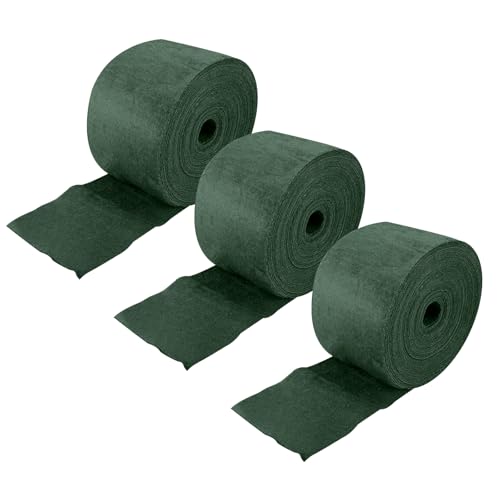
High-Quality Non-Woven Fabric: Our tree wraps are made from premium non-woven fabric, designed to effectively protect bark from winter frost damage and summer heat stress, ensuring the longevity of your trees.

UPGRADED MATERIAL – SOFTER, STRONGER, MORE FLEXIBLE! Crafted from premium non-woven fabric (2.4 oz/sq.yd) with improved softness and tear resistance. Provides reliable protection against frost, snow, hail, sleet, ice, and wind – yet flexible enough to wrap around plants without causing stress or damage
Site Selection
Choose a sunny location for your fruit trees. Aim for at least 6 to 8 hours of sunlight daily. Look for an area with good drainage to prevent waterlogging. Avoid low spots where cold air accumulates, as this can lead to frost damage. Plant your trees away from strong winds to reduce stress during harsh winter months.
Soil Preparation
Test your soil before planting to determine nutrient levels and pH. Fruit trees generally prefer slightly acidic to neutral soil, with a pH of 6.0 to 7.0. Amend the soil with compost or well-rotted manure to boost nutrients. Ensure good aeration by loosening compacted soil. Dig a hole twice the width of the root ball to encourage root growth.
Winter Protection
Provide winter protection to your fruit trees to enhance their survival. Wrap the trunks with burlap or tree guards to shield them from harsh winds and animal damage. Mulch around the base with straw or wood chips to insulate the roots. Keep the mulch at least 2 inches away from the trunk to prevent rot. If temperatures drop significantly, consider draping a frost cloth over your trees during extreme cold snaps.
Common Challenges in Zone 4
Growing fruit trees in Zone 4 comes with its unique set of challenges. Understanding these can help you prepare and overcome potential obstacles.
Recommended Products

Winter Freeze Protection: made from heavy-duty green non-woven fabric at 2.47 oz per square yard; shields trees, shrubs, and potted plants from frost and cold wind; keeps plants safe through freezing nights

1.Drawstring Design: the plant frost covers are sturdy and large enough to fit the plants easily, and there is a drawstring for tightening which makes it secure against the wind with easy to cinch the bottoms usage.

The Large plant cover is perfect for Plant size 55''-70"high and 84''-94" round, Heavy-weight FRCs (1.77oz./sq. yard): usually used to extend the growing season in spring and fall, allow 40%-60% light transmittance, and recommend 3°-8°F of freeze protection
Pests and Diseases
Pests and diseases pose a risk to fruit trees in colder climates. Common pests include aphids, spider mites, and tent caterpillars. These pests can damage leaves and fruit, impacting harvests. To manage pests, regularly inspect your trees. Use insecticidal soap or neem oil for treatment when infestations occur.
Diseases like apple scab and root rot are also prevalent. Apple scab thrives in humid conditions, while root rot arises from poor drainage. Plant disease-resistant varieties and ensure proper spacing for air circulation. Implement sustainable practices, like crop rotation and composting, to improve soil health.
Weather Fluctuations
Weather fluctuations can significantly impact fruit tree growth in Zone 4. Late frosts, especially in spring, threaten blossoms and young fruit. To minimize frost damage, choose late-blooming tree varieties such as ‘North Star’ cherries. You can use frost cloths to cover trees on cold nights.
Additionally, sudden temperature swings can stress trees. During summer heat waves, consistent watering is essential for root health. Mulching around the base helps retain soil moisture and regulate temperature. Monitoring local forecasts keeps you informed of weather changes, allowing you to react quickly if needed.
Conclusion
Growing fruit trees in Zone 4 might seem daunting but it’s definitely within your reach. By choosing the right varieties and taking care of your trees, you can enjoy a bountiful harvest even in a colder climate.
Remember to pay attention to soil quality and site selection to give your trees the best chance at thriving. With a little patience and dedication, you’ll find that nurturing these trees can be a rewarding experience.
So go ahead and plant those cold-hardy apples or vibrant cherries. Your garden will soon be a fruitful oasis that you can proudly share with family and friends. Happy gardening!
Frequently Asked Questions
What fruit trees can I grow in USDA Zone 4?
You can successfully grow several hardy fruit trees in USDA Zone 4, including cold-hardy apples like ‘Honeycrisp’, ‘Haralson’, and ‘McIntosh’, as well as sour cherries such as ‘Montmorency’ and ‘North Star’. Plum varieties like ‘Stanley’ and pears like ‘Bartlett’ and ‘Kieffer’ also thrive in this climate.
How can I protect my fruit trees from late frosts?
To protect fruit trees from late frosts, consider planting late-blooming varieties and using frost cloths during cold snaps. Additionally, selecting a well-drained site away from frost pockets can help mitigate frost risks.
What are the ideal conditions for planting fruit trees in Zone 4?
Fruit trees in Zone 4 require a sunny location with good drainage. It’s crucial to test the soil for nutrient levels and pH, amending it as needed to support healthy growth.
How do I care for my fruit trees in winter?
In winter, protect your fruit trees by wrapping their trunks, applying mulch around the base, and using frost cloths during extreme cold. These measures help improve survival rates and overall productivity.
What common pests and diseases affect fruit trees in Zone 4?
Common pests in Zone 4 include aphids and spider mites. Diseases such as apple scab and root rot can also affect trees. Regular inspections and treatments with insecticidal soap or neem oil can help manage these issues.
How can I improve soil quality for fruit tree growth?
Improving soil quality involves testing for nutrients and pH levels, then amending the soil with organic matter as needed. Well-drained, nutrient-rich soil promotes healthy root growth and overall fruit tree vitality.
What challenges might I face when growing fruit trees in Zone 4?
Challenges in Zone 4 include late frosts, pests, diseases, and weather fluctuations. Planting disease-resistant varieties and using frost protection techniques can mitigate some of these challenges for better yields.
