

Have you ever wondered why your olive tree isn’t producing fruit? You’re not alone. Many people nurture these beautiful trees only to find they’re not living up to their fruit-bearing potential. It can be frustrating when you’ve put in the effort but see little reward.
Key Takeaways
- Understand Olive Trees: Recognize the specific conditions and varieties of olive trees essential for promoting fruit production. Choose the right type based on your climate and desired use.
- Ideal Growing Conditions: Ensure your olive tree receives 6-8 hours of sunlight daily, well-draining soil, and appropriate watering. Maintain optimal temperatures for successful growth.
- Proper Planting Techniques: Select a sunny, well-drained location and prepare the soil with suitable pH and organic matter to enhance nutrient availability and aeration.
- Caring for Your Tree: Regularly water and fertilize your olive tree while practicing annual pruning to promote health and fruit production.
- Encourage Pollination: For optimal fruit set, plant compatible olive tree varieties together and manage pests effectively to maintain tree health.
- Harvesting Tips: Know when to harvest olives based on color and texture, and use appropriate techniques to ensure fruit quality and prevent damage during collection.
Understanding Olive Trees
Understanding olive trees is essential for promoting fruit production. Olive trees thrive in specific conditions, and recognizing the right variety enhances success.
Olive Tree Varieties
Choosing the right variety of olive tree plays a significant role in fruit production. Common varieties include:
- Arbequina: Known for its adaptability and early fruiting, Arbequina produces small, flavorful olives.
- Manzanilla: This variety offers a rich flavor and is ideal for curing. It matures early and thrives in various climates.
- Kalamata: Famous for its distinct taste, Kalamata olives are larger and often used in Mediterranean dishes.
Selecting a variety suited to your climate and purpose boosts chances of fruiting.
Ideal Growing Conditions
Olive trees require specific growing conditions for optimal fruiting. Key factors include:
- Sunlight: Ensure at least 6-8 hours of direct sunlight daily for healthy growth.
- Soil: Well-draining soil is essential. Sandy loam or clay loam works best, with a pH level between 6 and 8.
- Water: Regular watering is crucial for young trees. Once established, they tolerate drought, needing less frequent watering.
- Temperature: Olive trees prefer mild winters and warm summers. Ideal temperatures range from 50°F to 100°F.
Meeting these conditions enhances the likelihood of your olive trees bearing fruit. Adjust your care accordingly to foster growth and fruit production.
Planting Your Olive Tree
Planting an olive tree requires careful planning to ensure the healthiest growth and maximum fruit production. Follow these steps to get started.
Selecting the Right Location
Choose a spot that receives full sunlight for at least 6 to 8 hours each day. Olive trees thrive in warm climates, so avoid areas with cold drafts or frost pockets. Look for well-drained locations, as olive trees don’t tolerate waterlogged soil. Ideally, the site should be slightly elevated to promote drainage. If possible, select a location sheltered from harsh winds to protect the tree as it matures.
Preparing the Soil
Test the soil pH before planting. Olive trees prefer slightly alkaline to neutral soil, with a pH of 6 to 8. If your soil is too acidic, add lime to raise the pH. Enhance drainage by mixing in organic matter, like compost or aged manure, into the top 12 inches of soil. This enriches nutrients while improving aeration. Dig a hole that’s twice as wide and the same depth as the root ball. Plant the tree at the same depth it was growing in its container to prevent root rot. After planting, water the tree thoroughly to help settle the soil around the roots.
Caring for Your Olive Tree
Caring for your olive tree involves specific practices to promote its health and fruit production. Understanding watering, fertilization, and pruning techniques greatly enhances your tree’s growth and ability to bear fruit.
Recommended Products
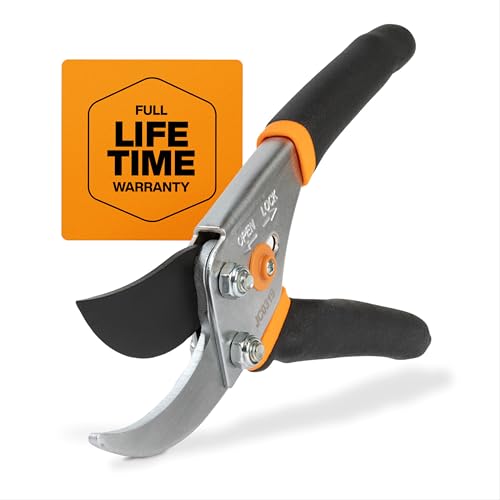
CLEAN CUTS FOR LIVE GROWTH: Bypass blade design is ideal for pruning delicate flower stems and green growth, helping reduce crushing and plant damage while cutting stems and small branches up to 5/8” in diameter

IDEAL BRANCH TRIMMER: 28" Steel blade garden bypass lopper that glides through up to 1.5" thick branches for easy cuts; Works well for trimming tree branches to maintain your yard and garden, and to encourage overall plant health and appearance
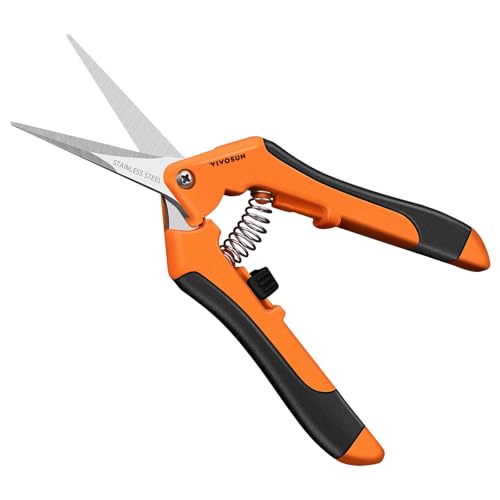
Reduce Hand Strain: These micro tip snips are made to reduces hand fatigue which makes them great for those with arthritis, carpal tunnel, hand or wrist issues; Comfortable “grip” handles will make it easy to work for long-time use without making you feel hand pain
Watering and Fertilization
Water your olive tree regularly but avoid overwatering. Soil should dry out between watering sessions, which helps prevent root rot. During dry seasons, give the tree deep waterings approximately once a week. In total, aim for 30 inches of water annually, depending on your climate.
Fertilize your olive tree during the growing season, typically in spring. Use a balanced fertilizer formulated for fruit trees. Apply around 1 to 2 pounds per year, divided into two applications for best results. Ensure the fertilizer is rich in potassium and phosphorus to enhance fruit production.
Pruning Techniques
Prune your olive tree annually to maintain its shape and health. Focus on removing dead or crowded branches to allow better air circulation and sunlight penetration. Begin in late winter or early spring before new growth starts.
Use clean, sharp pruning shears for precise cuts. Aim to create an open center to encourage upward growth. Remove one-third of the tree’s growth each year, targeting older, less productive branches. This practice stimulates new growth, which can lead to increased fruit production.
These tailored care practices will help ensure your olive tree thrives and produces fruit effectively.
Encouraging Fruit Production
To enhance fruit production in olive trees, focus on specific factors such as pollination and pest management. Understanding these elements ensures your tree thrives and bears fruit.
Pollination Partners
Olive trees often require cross-pollination for optimal fruit set. Select varieties that bloom simultaneously to improve pollination rates. Consider planting at least two different varieties in your garden. For example, if you have an Arbequina, add a Manzanilla or Kalamata. This combination increases the potential for fruit development.
It’s worth noting that some olive trees can self-pollinate, but fruit yields tend to be higher with compatible partners. If space allows, create groups of three or more trees for increased pollination success.
Managing Pests and Diseases
Healthy olive trees are more productive. Regularly inspect your trees for signs of pests, such as olive fruit flies, which can damage fruits. Use traps to monitor their presence and apply appropriate organic pesticides as needed.
Also, watch for diseases like olive knot or root rot. Ensure proper drainage to prevent root rot and prune affected areas to lessen disease spread. Maintain a clean garden area by removing fallen fruits and leaves that could harbor pests or diseases.
Incorporating integrated pest management (IPM) practices offers a comprehensive approach to control pests while minimizing environmental impact. Encourage beneficial insects, such as ladybugs, to help manage pests naturally.
By integrating proper pollination practices and vigilant pest management, you can significantly improve your olive tree’s chances of producing abundant fruit.
Harvesting Olive Fruits
Harvesting olive fruits at the right time maximizes flavor and oil quality. Knowing when to pick olives and using proper techniques ensures a successful yield.
Signs of Ripeness
Determining the right moment to harvest relies on several indicators:
- Color: Olives typically change from green to a deep purple or black as they ripen. It’s best to harvest them when they reach the desired color for the variety you’re growing.
- Texture: Ripe olives feel firm but slightly yielding when squeezed. They shouldn’t be hard or mushy.
- Taste: Sampling an olive can help gauge ripeness. Ripe olives taste fruity and less bitter compared to unripe ones.
- Falling Fruits: An increase in naturally fallen olives on the ground often signals that the remaining fruits are ready for harvest.
Best Harvesting Practices
Using proper methods during the harvesting process maintains fruit quality and tree health:
- Timing: Harvest olives during the cool parts of the day, either early morning or late afternoon, to minimize damage.
- Tools: Use specific tools such as olive rakes, nets, or handheld harvesting devices to collect olives effectively without bruising them.
- Gentle Handling: Handle olives carefully to prevent bruising. Place them in shallow containers to avoid crushing.
- Harvesting Technique: If using rakes, gently brush the branches to dislodge ripe fruits. Alternatively, shake the branches lightly to encourage olives to fall onto protective nets.
- Quality Check: Separate olives by ripeness during collection. Ripe olives require different processing times than unripe ones.
- Timely Processing: Process harvested olives promptly to prevent spoilage and ensure maximum flavor.
Following these signs and practices leads to a fruitful and satisfying olive harvest.
Conclusion
Growing an olive tree that bears fruit can be a rewarding journey. By understanding the needs of your tree and providing the right conditions you’re setting yourself up for success. Remember to choose the right variety that suits your climate and space.
Pay attention to sunlight soil drainage and watering practices. Pruning and pest management are key to keeping your tree healthy. With a little patience and care your olive tree can thrive and eventually reward you with delicious olives. Enjoy the process and look forward to your fruitful harvest!
Frequently Asked Questions
Why are my olive trees not producing fruit?
Olive trees may not produce fruit due to several factors, including inadequate sunlight, poor soil drainage, and lack of proper care. Ensure your tree receives at least 6 to 8 hours of sunlight a day and that the soil is well-draining. Additionally, check if you’re using the right olive variety for your climate.
What is the best variety of olive tree for fruit production?
Popular olive tree varieties known for fruit production include Arbequina, Manzanilla, and Kalamata. Each variety has unique characteristics that affect fruit yield, so it’s essential to choose one that suits your growing conditions and climate for better success in fruiting.
How often should I water my olive trees?
Water olive trees regularly but allow the soil to dry out between sessions to avoid root rot. During dry seasons, deep watering once a week is recommended, aiming for a total of 30 inches of water per year to support healthy growth and fruit production.
How do I fertilize olive trees for better fruit yield?
Fertilize your olive trees during the growing season with a balanced fertilizer rich in potassium and phosphorus. Apply a total of 1 to 2 pounds per year in two doses to provide your trees with the nutrients they need for fruiting.
Is cross-pollination necessary for olive trees?
Yes, olive trees often benefit from cross-pollination, which can enhance fruit set. Planting at least two different varieties that bloom simultaneously can improve pollination rates and increase the chances of a fruitful harvest.
When is the best time to harvest olives?
Harvest olives when they change color from green to deep purple or black and feel firm yet slightly yielding. It’s best to harvest during cooler parts of the day and handle the olives gently to prevent bruising and spoilage.
What are the signs that olives are ready to be picked?
Signs of ripe olives include color changes, texture that feels firm but yielding, and an increase in naturally fallen olives. Tasting the olives can also verify their readiness; they should have developed their characteristic flavor.
