

Have you ever thought about planting your own fruit trees in Ohio? With its varying climate and rich soil, Ohio offers plenty of opportunities to grow delicious fruits right in your backyard. Whether you dream of juicy apples or sweet peaches, knowing which trees thrive in your region can make all the difference.
Key Takeaways
- Ideal Fruit Trees for Ohio: Popular fruit trees include apple (Honeycrisp, Fuji), peach (Redhaven, Elberta), cherry (Bing, Montmorency), pear (Bartlett, Bosc), and plum (Stanley, Shiro) varieties that thrive in Ohio’s climate.
- Understanding Hardiness Zones: Ohio spans USDA Hardiness Zones 5 to 6, affecting tree selection based on winter temperature tolerance, with specific varieties suited for each zone.
- Planting Location Matters: Ensure fruit trees are planted in well-drained soil with adequate sunlight, avoiding areas with standing water to promote healthy growth.
- Pollination Requirements: Some fruit trees require cross-pollination for optimal yields; research specific varieties to determine if additional trees are needed.
- Maintenance Techniques: Regular watering, appropriate fertilization, and seasonal pruning are crucial for tree health and fruit production, with specific watering needs based on growth stages.
- Seasonal Awareness: Monitor seasonal temperature variations and adjust care routines accordingly to support bud development, fruit ripening, and dormancy preparations.
Overview of Fruit Trees in Ohio
Ohio’s climate and soil promote the growth of various fruit trees. Understanding which trees thrive best in this region increases your chances of a successful harvest.
Common Fruit Trees
- Apple Trees
Apple trees, particularly varieties like Honeycrisp and Fuji, excel in Ohio’s cooler climate. They require full sun and well-drained soil. - Peach Trees
Peach trees thrive in warm summers. Varieties such as Redhaven and Elberta do well. They appreciate sunny spots and tolerable winter conditions. - Cherry Trees
Sweet and sour cherries grow well in Ohio. Consider planting varieties like Bing or Montmorency. They prefer slightly acidic soil and good drainage. - Pear Trees
Pear trees, like Bartlett and Bosc, adapt well to Ohio. These trees flourish in well-drained soils and can tolerate wet conditions better than some other fruit varieties. - Plum Trees
European varieties like Stanley and Japanese types like Shiro suit Ohio’s climate. Ensure they receive ample sunlight and offer protection from winds.
Planting Tips
- Choose the Right Location
Plant fruit trees in well-drained areas with ample sunlight. Avoid spots with standing water. - Spacing Matters
Space trees adequately, allowing for air circulation and growth. Typically, three to five feet is recommended, depending on the type. - Consider Pollination
Some fruit trees require cross-pollination for better yields. Check if you need more than one tree for your chosen variety.
- Watering Needs
Newly planted trees need regular watering. Aim for about one inch of water per week, adjusting for rainfall. - Pruning Practices
Prune during late winter or early spring to remove dead or crossing branches. This ensures healthier growth and better fruit production. - Fertilization Tips
Use fertilizer specifically designed for fruit trees. Apply in early spring to support budding and growth.
By selecting the right trees and following these tips, you’ll enhance your chances of a fruitful harvest in Ohio.
Climate Considerations
Understanding the climate in Ohio is key to successfully growing fruit trees. The region’s varying temperatures and significant hardiness zones affect what types of trees thrive.
Hardiness Zones
Ohio spans USDA Hardiness Zones 5 to 6. This range illustrates the capability of different species to withstand winter cold temperatures. Zone 5 tolerates minimum temperatures of -20°F to -10°F, while Zone 6 supports temperatures down to -10°F to 0°F.
- Zone 5 Trees: Focus on apple trees like Honeycrisp and pear trees like Bartlett. Both types manage well in colder conditions.
- Zone 6 Trees: Consider peach trees, such as Redhaven, known for their adaptability in warmer areas.
Research the specific hardiness zone for your location within Ohio to ensure a successful planting.
Average Temperature
The annual temperature in Ohio varies across seasons, influencing tree growth and fruit production.
- Spring: Temperatures commonly range from 30°F to 70°F. This gradual warming promotes budding.
- Summer: Expect averages from 60°F to 90°F. Such warmth supports fruit ripening.
- Fall: Temperatures drop, ranging from 30°F to 70°F, allowing trees to prepare for dormancy.
- Winter: Cold conditions can range from -20°F to 40°F. Ensure selected trees can endure winter’s chill.
Monitoring seasonal changes helps in managing watering and fertilization schedules, ensuring robust growth and abundant fruit yield.
Popular Fruit Trees for Ohio
Ohio’s climate supports a range of fruit trees that thrive in its diverse soil conditions. Here’s an overview of popular choices well-suited for your garden.
Recommended Products

Extra-Sweet & Crisp Apples – Produces large, red-blushed apples with an exceptionally juicy texture and honeyed sweetness, perfect for fresh eating, baking, and cider-making
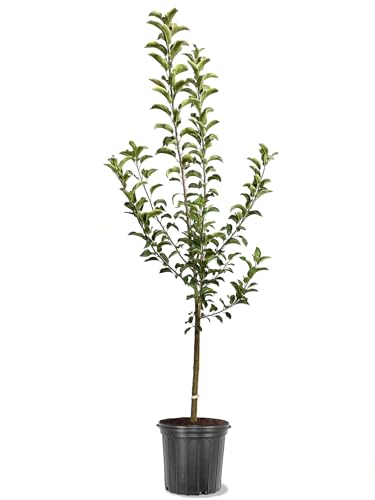
Crisp, Sweet Apples: Produces large, juicy apples with a perfect balance of sweetness and tartness, ideal for fresh eating and baking.

DELICIOUS FALL HARVEST – Produces medium to large apples with a sweet, crisp flavor, perfect for fresh eating, baking, or making cider
Apple Trees
Apple trees flourish in Ohio’s climate. Popular varieties include:
- Honeycrisp: Known for its sweet flavor and crisp texture.
- Fuji: Offers a sweet flavor and excellent storage capability.
Plant apple trees in full sun, ensuring they receive at least six hours daily. These trees prefer well-drained soil. Space trees about 15-20 feet apart for good air circulation. Regular pruning encourages healthier growth and better fruit production.
Pear Trees
Pear trees adapt well to Ohio’s conditions, producing delicious fruit. Consider:
- Bartlett: Juicy and sweet—ideal for fresh eating and canning.
- Bosc: Recognizable by its brown skin and firm flesh; great for baking.
Select a sunny location with well-draining soil. Space pear trees similarly to apples, about 15-20 feet apart. For optimal growth, ensure cross-pollination by planting different varieties nearby.
Peach Trees
Peach trees thrive in Ohio, especially in warmer areas. Notable varieties include:
- Redhaven: Early-bearing with smooth skin and sweet flesh.
- Elberta: Juicy and flavorful; great for fresh consumption and canning.
Peach trees prefer full sun and well-drained soil. Plant them at least 15-20 feet apart. Prune in late winter for better yield and to maintain tree shape.
Cherry Trees
Cherry trees offer beautiful blooms and delicious fruits. Key varieties include:
- Bing: Sweet, dark cherries perfect for eating fresh.
- Montmorency: Sour cherries ideal for pies and preserving.
Choose a sunny spot with good drainage for cherry trees. They require a bit of space, around 20 feet apart, to allow air circulation. Consider planting sweet and sour varieties for cross-pollination and improved harvest.
By selecting these popular fruit trees, you can enjoy a bountiful harvest while enhancing your garden’s beauty.
Planting and Care Tips
Planting and caring for fruit trees in Ohio requires specific attention to soil conditions and watering practices. By following these guidelines, you can promote healthy growth and ensure a fruitful harvest.
Recommended Products

Save 80% Water: This flat soaker hose penetrates water through numerous tiny holes in a fine and even manner, directly delivering water to the roots of plants. This reduces evaporation and loss. Compared to traditional hoses, garden hose can save 80% water

Leak-Proof Connector Durability: Designed with 3/4" solid brass connectors to prevent water leaks and provide enhanced durability for hose long-term use, making this an ideal choice for soaker hoses, drip hoses, and irrigation hoses.
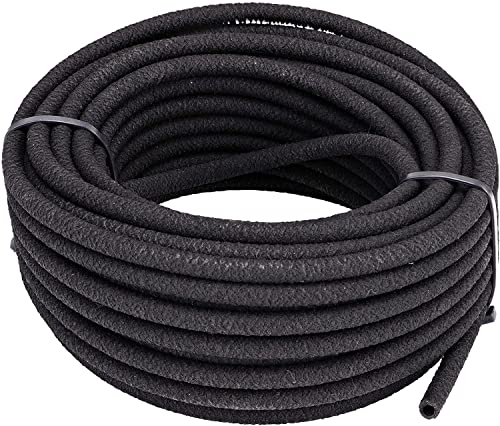
Slowly waters the soil around your plants for complete root zone hydration; Ideal for short runs on flat surfaces, such as vegetable gardens, borders, and around small plants
Soil Requirements
Select well-drained soil with a pH between 6.0 and 7.0 for optimal fruit tree growth. Test your soil before planting to assess its nutrient levels. Amend poor soil with organic matter, like compost, to enhance fertility and drainage. Use a shovel to turn over the existing soil and mix in compost or aged manure. Avoid overly compacted areas, as they hinder root development.
Watering Practices
Water young trees deeply after planting, supplying 1 to 2 inches of water weekly, especially during dry spells. Check the soil moisture by digging a few inches down; if it’s dry, it’s time to water. Use a soaker hose or drip irrigation system for consistent moisture without waterlogging the roots. As trees mature, reduce watering frequency but maintain deep watering techniques during hot summer months to keep root systems hydrated.
Conclusion
Growing fruit trees in Ohio can be a rewarding experience that brings beauty and delicious harvests to your yard. By choosing the right varieties and following proper care guidelines you can create a thriving orchard that not only enhances your garden but also provides fresh fruit for you and your family.
Remember to keep an eye on your trees throughout the seasons and adjust your care as needed. With a little patience and attention you’ll soon enjoy the fruits of your labor. Happy planting and here’s to a fruitful journey ahead!
Frequently Asked Questions
What fruit trees grow well in Ohio?
Ohio has a favorable climate for several fruit trees. Popular options include apple trees (like Honeycrisp and Fuji), peach trees (such as Redhaven and Elberta), cherry trees (Bing and Montmorency), pear trees (Bartlett and Bosc), and plum trees (Stanley and Shiro).
What USDA Hardiness Zones are in Ohio?
Ohio primarily falls within USDA Hardiness Zones 5 and 6. Zone 5 is suitable for various apple and pear trees, while Zone 6 is ideal for peach varieties, like Redhaven.
How do I choose the right location for planting fruit trees?
Select a location with well-drained soil and ample sunlight for your fruit trees. Ensure there is enough space between trees for air circulation and proper growth.
How often should I water my young fruit trees?
Young fruit trees need around 1 to 2 inches of water weekly, especially during dry spells. Consider using a soaker hose or drip irrigation to maintain consistent moisture for optimal growth.
Why is cross-pollination important for fruit trees?
Certain fruit tree varieties require cross-pollination to produce fruit effectively. Planting compatible varieties nearby improves pollination and leads to better yields.
What soil conditions are best for fruit trees?
Fruit trees thrive in well-drained soil with a pH between 6.0 and 7.0. Testing the soil before planting is ideal, and amending it with organic matter can enhance fertility and drainage.
What are some pruning tips for fruit trees?
Prune fruit trees during their dormancy in late winter to early spring. Focus on removing dead or diseased wood, opening up the canopy for sunlight, and maintaining the tree’s shape to promote healthy growth and fruit production.
