

Persimmon trees can grow in South Dakota, but specific cold-climate strategies are essential for successful cultivation. Selecting cold-hardy varieties and implementing protective measures will increase the likelihood of thriving trees in this region.
Cold-Hardy vs. Sweet Persimmon Varieties
Persimmon trees come in various types, each with unique characteristics suited for different climates. The two main types are American persimmons and Asian persimmons. American persimmons are generally more cold-hardy and can withstand temperatures down to -25°F. Asian persimmons, while sweeter, are less tolerant of severe cold and typically thrive in warmer zones.
| Variety Type | Cold Hardiness | Flavor Profile | Best Uses |
|---|---|---|---|
| American | -25°F | Sweet, rich | Fresh eating, baking |
| Asian | -10°F | Mild, sweet | Fresh eating, desserts |
Choosing the right variety is crucial for success in South Dakota’s cold climate. American persimmons are recommended for their resilience, while Asian varieties may require additional protection.
Recommended Products

LIVE AMERICAN PERSIMMON TREES: Includes American Persimmon live trees potted in quart pot, measuring 6-12 inches tall. Trees may arrive as a dormant plant (without leaves) depending on the season, ready for planting.

PRODUCT IMAGE DISCLAIMER: The main image is for reference only. The plant you receive may not look exactly the same as shown in the first image

ESTABLISHED QUART POT: You receive a American Persimmon tree settled in its own quart-sized container, standing 6-12 inches tall. This manageable size is easy for you to handle and is intended to provide a strong beginning for the tree with a more developed root system compared to smaller seedlings or bare-root sticks.
Ideal Planting Locations for Persimmons
When considering the cultivation of persimmon trees in South Dakota, selecting the right planting location is crucial for their success. The unique climate and soil conditions of the region can significantly impact growth and fruit production. Understanding the ideal spots for planting can help ensure these trees thrive despite the cold temperatures.
Selecting an appropriate planting site is vital for the health of persimmon trees. Look for a location that receives full sun and has well-draining soil. Avoid areas prone to standing water, as persimmons do not tolerate soggy roots.
Before planting, amend the soil with organic matter to enhance drainage and nutrient content. A soil pH of 6.0 to 7.0 is ideal for persimmons.
Soil Testing and Preparation Guidelines
Before planting persimmon trees in South Dakota, it’s essential to understand the importance of soil testing and preparation. The right soil conditions can significantly impact the health and productivity of these trees, especially in a cold climate. This section outlines key guidelines to ensure your soil is suitable for successful persimmon cultivation.
Test soil pH and nutrient levels
Amend with compost or well-rotted manure
Till the soil to a depth of at least 12 inches
Create a planting hole twice the width of the root ball
Proper soil preparation will provide a strong foundation for your persimmon trees.
Cold-Climate Planting Strategies for Persimmons
Growing persimmon trees in South Dakota presents unique challenges due to the region’s cold climate. However, with the right planting strategies, it is possible to cultivate these trees successfully. This section outlines effective methods to ensure persimmons thrive despite the harsh winter conditions.
Timing and technique are essential when planting persimmon trees in South Dakota. The best time to plant is in early spring after the last frost. This allows the tree to establish roots before the heat of summer.
Recommended Products
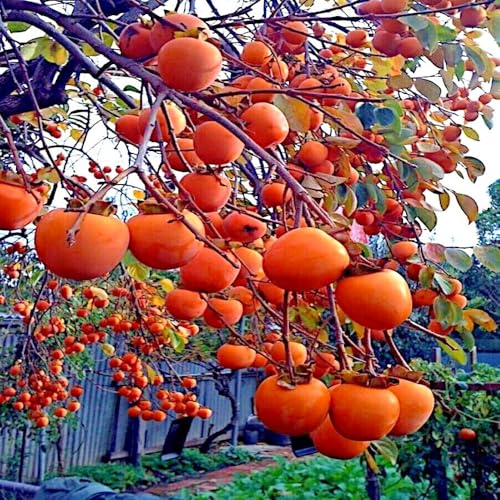
Cold Hardiness: Cold hardy Diospyros seeds survive temperatures down to 10°F once established; Suitable for growing in USDA zones 7-10; More tolerant of temperature fluctuations than many other fruit trees

🌳 PERSIMMON TREE SEEDS FOR HOME GARDENS: Persimmon tree seeds are ideal for backyard gardens, raised beds, or seed-starting before transplanting outdoors in suitable climates.

Persimmon tree adds edible fruit, seasonal foliage, and natural beauty to home gardens and outdoor landscapes
Persimmon Tree Planting Techniques
Planting persimmon trees in South Dakota requires careful consideration of the region’s cold climate. Understanding the specific techniques for successful planting can enhance growth and fruit production. This section outlines effective methods tailored to the unique challenges posed by South Dakota’s weather conditions.
Dig a hole that is twice as wide as the root ball.
Place the tree in the center of the hole, ensuring the graft union is above soil level.
Backfill with soil, gently tamping down to eliminate air pockets.
Water thoroughly to settle the soil around the roots.
These steps will help establish a healthy tree that can withstand the rigors of a cold climate.
Cold-Climate Winter Care for Persimmon Trees
Caring for persimmon trees in South Dakota’s cold climate requires special attention during the winter months. Understanding the unique challenges posed by harsh temperatures and frost is essential for ensuring these trees thrive. This section outlines effective strategies for protecting persimmon trees from winter’s chill and promoting healthy growth in the spring.
Winter can be harsh in South Dakota, making winter protection crucial for persimmon trees. Young trees are particularly vulnerable to frost damage.
Recommended Products

The Large plant cover is perfect for Plant size 55''-70"high and 84''-94" round, Heavy-weight FRCs (1.77oz./sq. yard): usually used to extend the growing season in spring and fall, allow 40%-60% light transmittance, and recommend 3°-8°F of freeze protection

Revolutionary Anti-freeze Protection: Plant covers freeze protection is made of 100% Reliable non-woven thickened polypropylene fabric Because the frost cloth fabric Thickness is 3.2 oz/yd² thicker and warmer, tear resistant than less expensive 1.3 oz/yd² fabric. Provides up to 2° F(-17℃) frost protection. In winter, frost blankets for outdoor plants can form a insulation layer for plants to isolate cold air and retain the oxygen required for plant respiration

THICKER MATERIAL: Our plant freeze protection cover is made of UV stabilized polypropylene. Upgraded thicker 0.9oz./sq.yard lightweight but durable. Soft plant covers are friendly and no harm to your plants. Breathable non-woven fabric allow light, air go through the frost cloths and reach the plants.
Cold-Climate Mulching Techniques for Persimmons
Growing persimmon trees in South Dakota presents unique challenges due to the cold climate. Effective mulching techniques can help protect these trees from harsh winter conditions, ensuring their health and productivity. This section explores practical strategies for mulching that cater specifically to the needs of persimmons in colder regions.
Mulch around the base to insulate roots.
Wrap trunks with burlap or tree wrap to prevent sunscald.
Construct windbreaks using fencing or shrubs to shield from cold winds.
Cover with frost cloth during extreme cold spells.
Implementing these methods will help ensure the survival of your persimmon trees through the winter months.
Persimmon Watering and Fertilization Strategies
Proper watering and fertilization are crucial for the successful growth of persimmon trees in South Dakota’s challenging climate. Understanding the specific needs of these trees can help ensure they thrive despite the cold temperatures and varying soil conditions. This section outlines effective strategies to optimize water and nutrient delivery for persimmons in a cold-weather environment.
Proper watering and fertilization are essential for healthy growth. Persimmons require moderate watering, especially during dry spells. Overwatering can lead to root rot, so ensure the soil drains well.
Balanced Fertilizer Application for Persimmons
When growing persimmon trees in South Dakota’s cold climate, proper fertilization is essential for healthy growth and fruit production. A balanced fertilizer application can significantly enhance the tree’s resilience and yield, ensuring that it thrives despite the challenging conditions. Understanding the right nutrient mix and timing will help maximize the benefits of fertilization for these unique trees.
Use a balanced fertilizer in early spring.
Apply compost in the fall to enrich the soil.
Avoid high-nitrogen fertilizers, which can promote excessive leaf growth at the expense of fruit.
Following these guidelines will support robust growth and fruit production.
Pest Control Strategies for Persimmon Trees
Managing pests is crucial for the health and productivity of persimmon trees, especially in the unique climate of South Dakota. This section explores effective strategies tailored to combat common pests that threaten these trees, ensuring they thrive despite the challenges posed by cold weather. Implementing these methods can help maintain a robust and fruitful persimmon crop.
Pest and disease issues can affect persimmon trees, though they are generally resistant. Common pests include aphids and spider mites. Regular monitoring and early intervention are key to managing these issues.
Pest Inspection Strategies for Persimmon Trees
Maintaining the health of persimmon trees in South Dakota requires vigilant pest inspection strategies tailored to the region’s cold climate. Understanding the specific pests that threaten these trees is essential for effective management. Implementing proactive measures can help ensure that your persimmon trees thrive despite the challenges posed by local conditions.
Inspect trees regularly for signs of pests.
Use insecticidal soap or neem oil for treatment.
Encourage beneficial insects like ladybugs to control pest populations.
Effective pest management will help maintain tree health and fruit quality.
Harvesting Ripe Persimmons in Cold Climates
Harvesting ripe persimmons in cold climates presents unique challenges and opportunities for growers in regions like South Dakota. Understanding the specific timing and techniques for harvesting can significantly impact the quality and flavor of the fruit. This section explores effective methods to ensure a successful persimmon harvest despite the colder temperatures.
Once your persimmons are ripe, harvesting is straightforward. The fruit typically ripens in late fall. Harvest when the fruit is soft to the touch, indicating peak sweetness.
Persimmon Harvesting Techniques for Cold Climates
Harvesting persimmons in cold climates presents unique challenges that require specific techniques to ensure fruit quality and tree health. Understanding the optimal timing and methods for picking can significantly impact the yield and flavor of the fruit. This section explores effective strategies tailored for persimmon trees thriving in South Dakota’s cooler environment.
Gently twist or cut the fruit from the tree.
Handle carefully to avoid bruising.
Store in a cool, dry place until ready to eat.
Enjoying fresh persimmons can be a rewarding experience, especially when grown successfully in a challenging climate.
