

Have you ever wondered if fall is a good time to plant fruit trees? You’re not alone! Many gardeners think spring is the only season for planting, but fall offers unique advantages that can lead to a fruitful harvest down the line.
Key Takeaways
- Fall Advantage: Planting fruit trees in the fall allows for improved root development due to cooler soil temperatures, enhancing overall tree health.
- Less Competition: Fall planting minimizes competition from weeds and other plants, ensuring young trees receive adequate nutrients for growth.
- Moisture Benefits: Increased rainfall during the fall season aids in moisture retention, which supports root establishment before the winter months.
- Optimal Chill Hours: Trees planted in fall benefit from necessary chill hours, setting the stage for robust blooming and fruit production in spring.
- Higher Survival Rates: Cooler temperatures in fall help reduce stress on newly planted trees, generally resulting in higher survival rates.
- Ideal Varieties: Successful fruit trees for fall planting include apple, pear, cherry, and plum varieties, each requiring specific conditions for optimal growth.
Benefits Of Planting Fruit Trees In The Fall
Planting fruit trees in the fall offers several advantages that can enhance growth and yield.
Improved Root Development
Fall planting allows trees to establish robust root systems. The cooler soil conditions encourage root growth. Roots can penetrate deeper into the ground, resulting in a stronger tree.
Reduced Competition for Nutrients
Fall planting reduces competition from weeds and other plants. With fewer plants vying for nutrients, your young trees receive essential resources more easily. This leads to healthier growth.
Enhanced Moisture Retention
Fall often brings increased rainfall, which benefits newly planted trees. The natural moisture helps trees settle into their new environment. Adequate hydration supports root establishment before winter.
Increased Chill Hours
Certain fruit trees require a specific number of chill hours for optimal fruit production. Planting in the fall ensures trees undergo necessary dormancy. This process prepares them for a productive spring bloom.
Early Blooming in Spring
Trees planted in the fall often bloom earlier in spring. Early blooming can lead to more fruit development throughout the growing season. This results in larger harvests for you.
Better Survival Rates
Fall-planted fruit trees generally have higher survival rates. Cooler temperatures reduce stress on trees, making it easier for them to adapt. Stronger trees lead to more fruitful futures.
Consider these benefits as you plan your fruit tree planting this season. Planting in the fall creates a strong foundation for growth, setting the stage for a bountiful harvest.
Ideal Fruit Trees For Fall Planting
Choosing the right fruit trees for fall planting can lead to successful growth and fruitful yields. Below are some excellent options suitable for your fall garden.
Recommended Products

Seed Cherry Tree Fruit Tree Seed for Planting Outdoor-Non-GMO Heirloom Sweet Juicy Fruits Plant in Your Home Garden

Fragrant Flowers: Bloom blossoms that provide precious nectar for pollinators like bees, creating your own romantic orchard with heavy fruit and rich flavor

Apple Trees
Apple trees thrive when planted in fall. Varieties such as Honeycrisp, Fuji, and Granny Smith adapt well to the cooler conditions. Plant these trees in well-drained soil and ensure they receive full sunlight for optimal growth. Space trees at least 15-20 feet apart to allow for airflow and light penetration, which helps prevent disease.
Pear Trees
Pear trees also benefit from fall planting. Varieties like Bartlet and Bosc produce delicious fruit and are hardy in various climates. Like apple trees, they prefer well-drained soil and full sun. Plant them 15-20 feet apart to ensure ample room for growth. Consider adding mulch around the base to retain soil moisture and suppress weeds.
Cherry Trees
Cherry trees often perform well when planted in fall. Sweet varieties, like Bing, and tart types, like Montmorency, enjoy sunny spots and well-drained soil. For optimal results, place cherry trees at least 20 feet apart, allowing space for their vigorous growth. Use stakes to support young trees in windy areas, ensuring straight growth.
Plum Trees
Plum trees are another excellent choice for fall planting. Varieties such as Santa Rosa and Methley flourish in well-drained soil and need full sun exposure. Space them 15-20 feet apart to promote good air circulation. Regular watering during dry spells helps them establish strong roots before winter sets in.
Following these guidelines allows you to select and plant the right type of fruit trees in the fall, creating a robust foundation for future harvests.
Factors To Consider When Planting
When planting fruit trees in the fall, pay close attention to several key factors to ensure your success.
Recommended Products

Feed the soil not the plants - stimulate microbial activity in your soil and boost probability of success with all types of plants… like composting but faster

Feed the soil not the plants - stimulate microbial activity in your soil and boost probability of success with all types of plants… like composting but faster

Nutrient-Rich Organic Compost for Healthy Soil: Support stronger plant growth with this premium organic compost made from dairy cow manure. This all purpose soil amendment helps replenish essential nutrients often depleted after harvests, making it ideal for vegetable gardens, fruit trees, flowers, lawns and container plants.
Climate Conditions
Climate plays a crucial role in tree survival and growth. Ideal temperatures for planting fruit trees range from 40°F to 70°F. Choose fruit tree varieties suited to your local climate; some prefer mild winters, while others withstand colder conditions. Monitor local frost dates, as protecting young trees from unexpected frost is essential for healthy development. Research how local weather patterns affect root establishment and tree health to maximize fruit yields.
Soil Type
Soil type significantly influences tree growth. Aim for well-draining soil to prevent root rot. Soil pH levels affect nutrient availability; most fruit trees thrive in slightly acidic to neutral pH, around 6.0 to 7.0. To improve soil structure and nutrient content, consider adding organic matter like compost. Conduct a soil test to determine nutrient needs and deficiencies. This information helps in making necessary amendments before planting, ensuring the best possible environment for your trees.
Care And Maintenance After Planting
After planting your fruit trees in the fall, proper care and maintenance are crucial for their success. Focus on watering and fertilization to support their growth.
Recommended Products
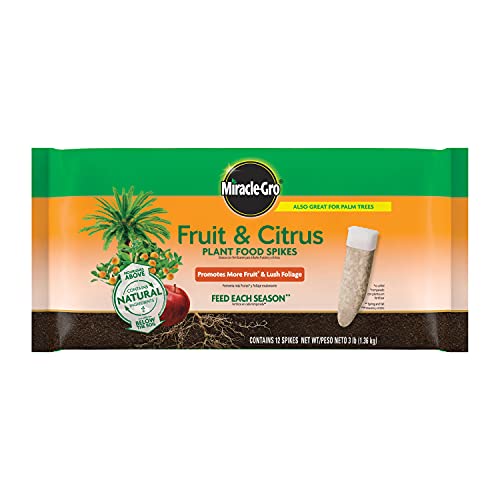
FORMULATED FOR CITRUS AND FRUIT TREES: Use these citrus fertilizer spikes on apple, orange, lemon, lime, and avocado trees; this formula is also great for feeding palm trees

Balanced Organic Nutrition – Supplies a 6‑3‑3 NPK ratio along with calcium, sulfur, iron, and zinc to foster healthy foliage, flowering, and fruit.

Made for Lemon & Citrus Trees – Formulated to support healthy growth in lemon and citrus plants.
Watering Tips
Water your newly planted trees thoroughly. Ensure the soil is moist, but not soggy. A deep watering encourages root development. During the initial weeks, check soil moisture regularly. Water again if the top 2-3 inches of soil feels dry. In the fall, trees may need less frequent watering due to cooler temperatures and increased rainfall. However, ensure consistency until the ground freezes.
Fertilization Strategies
Fertilize your fruit trees about six weeks after planting. This timing allows the roots to establish before winter. Use a balanced fertilizer that contains nitrogen, phosphorus, and potassium. Apply it according to package instructions, ensuring it’s spread evenly around the tree’s drip line. Avoid over-fertilizing, which can harm young trees. In early spring, provide another feeding to promote growth as the trees awaken from dormancy.
Conclusion
Planting fruit trees in the fall can set you up for a bountiful harvest in the years to come. By choosing the right varieties and giving them the care they need, you’re not just enhancing your garden but also investing in delicious fruits for your table.
As the cooler months approach take the time to prepare your soil and select trees that thrive in your climate. With proper attention to watering and fertilization you’ll help your new trees establish strong roots.
So why wait for spring? Embrace the benefits of fall planting and watch your garden flourish. Happy planting!
Frequently Asked Questions
Why should I plant fruit trees in the fall instead of spring?
Planting fruit trees in the fall allows for better root development due to cooler soil temperatures, reduced competition from weeds, and enhanced moisture retention. Additionally, fall planting helps trees accumulate necessary chill hours, leading to earlier blooming and potentially larger harvests in the spring.
What types of fruit trees are best for fall planting?
Recommended fruit trees for fall planting include Apple varieties like Honeycrisp and Fuji, Pear varieties such as Bartlett and Bosc, and Cherry types like Bing and Montmorency. Plum varieties like Santa Rosa and Methley also thrive when planted in the fall.
How do I prepare the soil for planting fruit trees in the fall?
To prepare the soil, ensure it is well-draining with appropriate pH levels. Incorporate organic matter to improve soil structure and nutrient content. Conduct a soil test to determine what amendments may be needed to optimize conditions for fruit tree growth.
What are key care tips for newly planted fruit trees in the fall?
After planting, water your trees thoroughly and consistently until the ground freezes. Less frequent watering may be required as temperatures cool. It’s also recommended to apply a balanced fertilizer about six weeks after planting to support root establishment.
How can I improve the survival rate of my fall-planted fruit trees?
To improve survival rates, select varieties suited to your local climate, monitor frost dates, and ensure proper spacing and sunlight exposure. Also, providing continuous care, such as watering and fertilizing as needed, will help your trees adapt successfully.
