

Have you ever wondered how some gardens boast a variety of fruit trees, all from a single trunk? Grafting is a fascinating technique that allows you to combine different types of fruit trees, giving you the chance to enjoy multiple flavors in one spot.
Key Takeaways
- Grafting allows you to grow multiple fruit varieties from a single trunk, enhancing garden diversity and flavor.
- Key grafting techniques include whip-and-tongue, cleft, and budding, each suited for specific tree types and conditions.
- Compatible tree combinations, such as apples with crabapples and pears with quince, optimize grafting success.
- Benefits of grafting include improved disease resistance, faster fruit production, and tailored plant sizes through dwarfing effects.
- Proper timing, selection of healthy stock, and careful monitoring are essential for successful grafting outcomes.
Overview of Grafting in Fruit Trees
Grafting combines parts of different trees to create a single plant with desirable traits. This method allows you to produce a variety of fruits from one tree while maintaining the strengths of the rootstock. Rootstock refers to the lower part of the graft, supporting the grafted variety above.
Types of Grafting
- Whip-and-Tongue Grafting: Ideal for matching the diameter of the scion (the top part that grows new shoots) and rootstock. This method creates strong unions and encourages growth.
- Cleft Grafting: Suitable for larger rootstocks. You make a vertical cut in the rootstock and insert a tapered scion into the cleft.
- Budding: This technique involves inserting a single bud from the desired fruit variety into a rootstock. It’s effective for many types of fruit trees.
Suitable Tree Combinations
Most fruit trees can be grafted, but certain combinations work best. Here are some popular pairings:
- Apple (Malus domestica): Compatible with other apple varieties and some crabapple species.
- Pear (Pyrus species): Often grafted onto quince for dwarf varieties or other pear species.
- Cherry (Prunus avium): Works well with other sweet cherry varieties and sour cherries.
- Peach (Prunus persica): Can be grafted onto almond and other peach-related species.
Benefits of Grafting
Grafting provides numerous benefits, including:
- Disease Resistance: Grafting onto disease-resistant rootstock can improve the plant’s overall health.
- Dwarfing Effects: Some rootstocks limit the growth of the grafted fruit tree, making maintenance and harvesting easier.
- Faster Fruit Production: Grafted trees often produce fruit more quickly than those grown from seed.
- Choose Healthy Stock: Always pick healthy and disease-free rootstock and scion to improve the odds of success.
- Timing Matters: Late winter or early spring is the best time for grafting, as trees are entering the growing season.
- Sterilize Tools: Use clean, sharp tools to prevent the spread of diseases.
- Protect the Graft: Use grafting tape or wax to seal the graft site and prevent moisture loss.
- Observe Growth: Monitor the graft for signs of growth. Successful grafts will produce new shoots within a few weeks.
Understanding grafting can lead to a fruitful garden with diverse flavors and increased productivity. Enjoy exploring the many combinations and techniques that make grafting an essential skill for fruit tree gardening.
Commonly Grafted Fruit Trees
Grafting enhances fruit tree diversity, enabling gardeners to cultivate various fruit types from a single trunk. Here are some commonly grafted fruit trees to consider:
Recommended Products

4 kinds of the most popular fruits, individually packaged, 50pcs Lemon seeds 50pcs Cherry seeds 50pcs Orange seeds 50pcs Apple seeds Fresh seeds, all fruit seeds are packed in tear and moisture resistant zipper sealed bags for your long term storage.

🌳 3-Pack Fruit Tree Bundle Includes live apple, blueberry, blackberry trees—perfectly paired for a diverse and productive backyard orchard.

Product Quantity: 180+ premium bonsai fruit seeds across 5 varieties; Individual packs contain 40+ apple, 40+ lemon, 40+ orange, 20+ blueberry, and 40+ cherry seeds; Perfect for starting a diverse miniature orchard
Apple Trees
Apple trees are among the most popular grafted varieties. You can graft different apple cultivars to produce unique flavors. Common combinations include:
- Granny Smith with Honeycrisp: Enjoy tangy and sweet blends.
- Fuji with Gala: Experience a mix of crispness and juiciness.
Choose rootstocks like M7 or M26 for semi-dwarf trees, giving you a manageable size with ample fruit production.
Pear Trees
Pear trees lend themselves well to grafting, particularly when combining European and Asian varieties. Recommended pairings include:
- Bartlett with Bosc: Achieve diverse textures and tastes.
- Asian Pears with European Pears: Explore interesting flavor profiles.
Using quince rootstock often leads to smaller, well-producing trees.
Cherry Trees
Cherry trees are ideal for grafting, especially sweet and sour types. Favorable combinations consist of:
- Sweet Bing with Tart Montmorency: Balance sweetness with tartness.
- Black Cherry with Rainier Cherry: Enjoy a range of colors and flavors.
Using Mahaleb rootstock promotes healthy growth and helps with disease resistance.
Citrus Trees
Citrus trees thrive when grafted, boosting fruit variety and resilience. Consider these combinations:
- Navel Orange with Blood Orange: Access vibrant color and unique flavors.
- Lemon with Lime: Produce zesty mixtures perfect for cooking.
Flying Dragon rootstock can create compact trees, making care easier while maximizing fruit yield.
By exploring these grafting options, you can create a truly diverse and fruitful garden, enhancing your gardening experience.
Factors to Consider When Grafting
Grafting requires careful consideration to ensure success. You must evaluate various factors, including compatibility and timing.
Compatibility of Rootstock and Scion
Compatibility between rootstock and scion is crucial. You need to choose a rootstock that supports the specific scion variety. For instance, apples grafted onto M7 rootstock typically thrive. Likewise, pears often do well on quince rootstock.
You should also consider the genetic relationship between the two plants. Plants within the same species or genus show higher grafting success rates. For example, grafting different apple varieties works better than grafting an apple onto a peach tree.
Timing of Grafting
Timing plays a vital role in grafting success. Grafting should occur during the plant’s dormancy phase, typically in late winter or early spring. This period enables optimal healing as the plants awaken from dormancy and start to grow.
You can monitor environmental conditions, like temperature and humidity, to determine the best time. Ensure that you graft just before the buds begin to swell; this enhances success rates. Additionally, pay attention to local weather patterns, as unexpected frost can harm the graft site. By choosing the right timing, you maximize the chances of achieving a successful graft.
Benefits of Grafting Fruit Trees
Grafting fruit trees offers several advantages that enhance both gardening success and fruit quality. Here’s a breakdown of the primary benefits:
Recommended Products


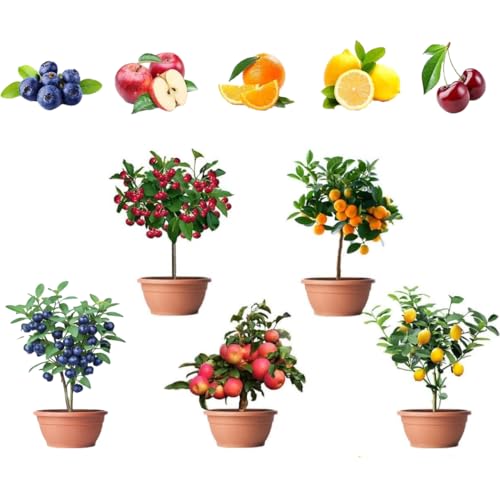
Variety Pack of 5 Fruits: Includes 40 Lemon seeds, 40 Orange seeds, 40 Apple seeds, 20 Cherry seeds, and 20 Blueberry seeds for a colorful and diverse home garden
Improved Disease Resistance
Grafting can lead to improved disease resistance. By selecting rootstocks that are tolerant to specific diseases, you can protect your fruit trees from common issues. For example, using the M26 rootstock for apples increases overall resistance to root rot and aphids.
Faster Fruit Production
Grafted trees often produce fruit faster than trees grown from seeds. When you graft a variety onto a mature rootstock, the tree can bear fruit in as little as two to three years, compared to five years or more for seedlings. This means you obtain fruit sooner, maximizing your gardening efforts.
Dwarfing Effect
Grafting creates unique dwarfing effects, allowing you to grow full-sized fruit trees in smaller spaces. Dwarf rootstocks like MM106 for apples lead to compact trees, making them perfect for limited-area gardens or containers. Enjoy the beauty and productivity of fruit trees without the extensive space typically required.
Variety of Flavors
Grafting enables you to grow multiple fruit varieties on a single tree. You might combine Granny Smith and Honeycrisp apples, letting you enjoy distinct flavors without crowding your garden. This variety can increase your interest in cultivating different fruits year-round.
Enhanced Flavor and Quality
Combining different fruit varieties often enhances flavor and quality. You can select scions known for their exceptional taste and combine them with robust rootstocks. The resulting fruits frequently display improved flavor, texture, and overall quality.
Increased Pollination Potential
When you graft compatible fruit varieties together, you increase pollination potential. Trees with multiple varieties often encourage cross-pollination, resulting in better yields. Increased fruit set occurs because cross-pollination generally leads to higher rates of fruit development.
Customization for Local Conditions
Grafting allows you to adapt your trees to local conditions. By selecting rootstocks suited to your specific soil types and climate, you can improve your tree’s resilience and harvest success. For instance, using a salt-tolerant rootstock in coastal areas increases survival rates.
- Choose compatible rootstocks to improve overall success.
- Use high-quality grafting techniques to ensure healthy growth.
- Monitor your trees regularly for signs of disease or stress.
- Fertilize appropriately to support both rootstock and scion growth.
These benefits make grafting a valuable technique for any gardener looking to maximize fruit production while enjoying varied flavors and improving tree health.
Conclusion
Grafting opens up a world of possibilities for your garden. By combining different fruit trees you can enjoy a delightful variety of flavors right in your backyard. Whether you’re after disease resistance or simply want to experiment with unique fruit combinations there’s a grafting technique that suits your needs.
Remember to choose compatible rootstocks and pay attention to timing for the best results. With a little patience and care you’ll be rewarded with a thriving garden full of delicious fruits. So grab your tools and get started on your grafting adventure. Your future self will thank you for all the tasty treats to come!
Frequently Asked Questions
What is grafting in gardening?
Grafting is a horticultural technique that involves joining parts of different plants to create a single organism. This method allows gardeners to produce various fruit types from one tree trunk while maintaining the rootstock’s advantages.
What are the different types of grafting?
Common grafting types include whip-and-tongue grafting, cleft grafting, and budding. Each method is suited for different tree sizes and types, allowing for flexibility in grafting techniques based on the plants being used.
Which fruit trees can be grafted together?
Compatible combinations include apples with other apple varieties, pears with quince, cherries with other cherry types, and peaches with almonds. Choosing the right pair is crucial for successful grafting.
What are the benefits of grafting fruit trees?
Grafting offers numerous benefits like improved disease resistance, faster fruit production, and dwarfing effects for easier maintenance. It also enhances flavor and quality while allowing customization for local growing conditions.
When is the best time to graft fruit trees?
The ideal time for grafting is during the dormancy phase of the plant, typically in late winter or early spring. This timing increases the chance of successful grafting outcomes.
How can I ensure successful grafting?
To achieve successful grafting, choose healthy stock, sterilize tools, protect the graft site, and monitor growth regularly. Proper preparation and care are key to healthy grafts producing fruit.
Why is rootstock and scion compatibility important?
Compatibility between rootstock and scion is vital as it influences grafting success. Plants within the same species or genus tend to have higher success rates, ensuring a better growth outcome for your grafted tree.
What common mistakes should I avoid when grafting?
Common mistakes include using unhealthy stock, grafting at the wrong time, and neglecting to protect the graft site. Always follow best practices for maintenance to boost the chances of success.
