

Have you ever bitten into a juicy apple only to find it’s been ruined by pesky worms? You’re not alone. Many fruit tree owners face the frustrating challenge of keeping these unwelcome guests at bay.
Key Takeaways
- Understanding Worms: Identify the types of worms affecting fruit trees, such as codling moth larvae and apple maggots, to effectively manage and prevent infestations.
- Signs of Infestation: Regularly monitor your trees for visible signs of worms, including damaged fruits, droppings, and wilting leaves, to catch issues early.
- Preventive Measures: Implement tree maintenance strategies such as pruning, cleaning up fallen fruit, and mulching to create an environment less conducive to pests.
- Organic Solutions: Utilize natural methods like encouraging beneficial insects, planting specific flowers, and employing homemade organic sprays to deter worms.
- Chemical Treatments: When necessary, apply targeted insecticides safely and effectively, focusing on timing and environmental conditions to protect your fruit trees.
- Ongoing Monitoring: Conduct routine inspections and maintain tree health throughout the seasons to ensure optimal growth and reduce worm damage.
Understanding Worms and Their Impact on Fruit Trees
Worms pose significant risks to fruit trees. These pests can damage crops, leading to lower yields and compromised fruit quality.
Types of Worms That Affect Fruit Trees
- Codling Moth Larvae: Codling moths target apples and pears. The larvae burrow into the fruit, causing extensive damage.
- Apple Maggot: Apple maggots leave small tunnels and brown spots in apples. Their presence often signals a serious infestation.
- Climbing Cutworms: These worms feed on young fruit tree shoots. They can severely stunt growth if left unchecked.
- Fruit Tree Leaf Roller: This pest rolls up leaves and feeds on them. Affected trees may produce fewer fruits.
- Visible Damage: Look for holes, browning, or deterioration on the fruit surface. These signs often indicate worm activity.
- Droppings: Check for small frass (insect droppings) near damaged fruits or on tree trunks. Frass can confirm the presence of worms.
- Wilting Leaves: Stressed trees exhibit wilting or yellowing leaves, hinting at potential pest issues.
- Presence of Adult Pests: Spotting adult moths or flies near your trees often points to an underlying infestation.
Recognizing these signs early allows for proactive measures to protect your fruit trees.
Preventive Measures
Preventing worms from infesting your fruit trees requires proactive steps. You can significantly reduce the risk of worm damage through proper tree care and careful selection of tree varieties.
Recommended Products

Tree Branch Modelling Too: 15 Pcs 3.94in fruit tree branch puller suitible for 0.4in branch, can pull lower the drooping angle of the tree branch. for orchards with apple trees spaced 1-2 meters and tree age 1-3 years, with a pruning angle of 110-135 degrees.


PROFESSIONAL GARDENING GRAFTING TOOLS: Including 2 in 1 grafting pruning tools, 3 replaceable blades, a grafting knife, a screwdriver, a wrench, 2 grafting films, 160 rubber bands, 40 wide rubber bands, and 50 colorful tag cards
Proper Tree Maintenance
Maintain your fruit trees for optimal health. Healthy trees resist pests more effectively.
- Pruning Regularly: Trim away dead or diseased branches to enhance air circulation. Increased airflow minimizes moisture, reducing the likelihood of pest infestations.
- Cleaning Up Fallen Fruit: Remove any fallen fruit from the ground. Decaying fruit attracts pests, including worms. Dispose of it or compost it properly.
- Mulching: Apply organic mulch around the base. Mulch retains moisture, suppresses weeds, and can deter pests by creating a barrier.
- Watering Appropriately: Water trees deeply but infrequently. This approach encourages root growth and reduces vulnerability to pests.
Choosing Resistant Varieties
Opt for fruit tree varieties that resist pests effectively. These types require less maintenance and offer higher yields.
- Disease-Resistant Varieties: Select apple or pear trees bred for pest resistance. For example, ‘Liberty’ apples resist codling moths better than traditional varieties.
- Local Knowledge: Consult local nurseries for recommendations on resilient trees adapted to your climate and soil conditions. They provide valuable insights based on regional pest prevalence.
- Rootstock Selection: Choose rootstocks that support healthier trees. Rootstocks can affect tree vigor and resistance to pests.
Implementing these preventive measures creates a strong foundation for healthy fruit trees and minimizes the risk of worms damaging your harvest.
Organic Methods to Keep Worms Away
You can effectively deter worms from infesting your fruit trees using organic methods. These approaches focus on natural solutions that won’t harm your trees or the environment.
Recommended Products
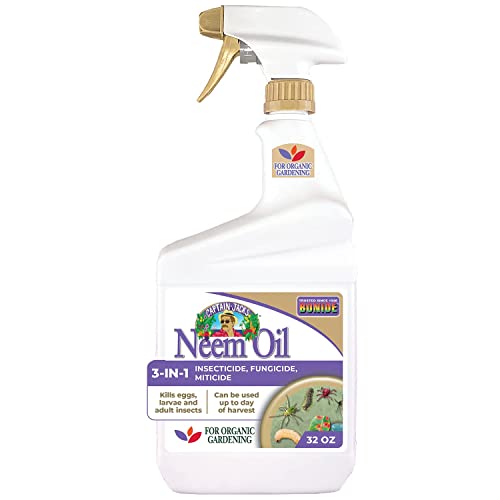
Protect your oasis with 3 garden products in 1 from Captain Jack’s; Bonide Captain Jack’s Ready-to-Use Neem Oil spray for plants is a multi-purpose fungicide, insecticide and miticide for your lawn & garden

FUNGAL DISEASE CONTROL: Prevents and controls black spot on roses, powdery mildew, rust, downy mildew, and other listed fungal diseases when applied on a 7–14 day schedule

An Organic Neem Oil Spray for Plants with a Powerful Essential Oil Blend (cedarwood, lemon, clove, cinnamon, eucalyptus, and rosemary) for healthier plants every time you spray. Big Leaf Energy is a multi-purpose spray for healthier, more resilient leaves and soils—and it smells amazing.
Natural Predators
Encouraging natural predators is an effective way to control worm populations. Birds, beneficial insects, and certain mammals can help keep pests at bay.
- Birds: Attract bird species like bluebirds and wrens by adding birdhouses or feeders around your trees. Birds often consume fruit-eating worms.
- Beneficial Insects: Ladybugs, lacewings, and parasitic wasps target worm larvae. Planting flowers such as yarrow or dill attracts these beneficial insects.
- Bats: Installing bat houses can bring these natural pest controllers to your garden. Bats can consume hundreds of insects each night, including worms.
Homemade Solutions
Creating homemade solutions can effectively deter worms without resorting to chemicals. Here are a few easy recipes:
- Neem Oil Spray: Mix 2 tablespoons of neem oil with 1 gallon of water. Spray this mixture on your trees every two weeks to repel worms and other pests.
- Soap and Water Solution: Combine 1 tablespoon of liquid castile soap with 1 quart of water. Use this solution to spray the leaves and fruit, targeting any visible worms.
- Garlic Spray: Blend 2 cloves of garlic with 1 quart of water. Let it sit overnight, strain, and spray onto your trees. The strong scent can repel worms.
By employing these organic methods, you can significantly reduce the risk of worms damaging your fruit trees. Implementing these strategies creates a healthier environment for both your trees and beneficial creatures.
Chemical Treatments
Chemical treatments can effectively manage worms infesting your fruit trees. When used correctly, they protect crops and maintain fruit quality.
Recommended Products

CONTROLS A VARIETY OF INSECTS - Designed to control Leafminers Leafminers, Borers, Leaf Roller, Thrips, Worms (Caterpillars), Colorado Potato Beetles, Armyworms, Sod Webworms, Cat Fleas, Loopers, Bagworms, Tent Caterpillars and other listed insects.

Control diseases and insects in your garden with Captain Jack’s Fruit Tree Spray Concentrate! Use on a variety of listed fruits, nuts and citrus plants.
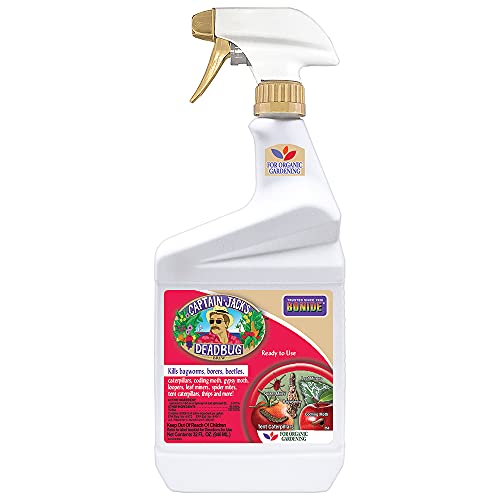
INSECT KILLER - This pest control is great for use on bagworms, borers, beetles, caterpillars, codling moth, gypsy moth, spider mites, loopers, leaf miners, tent caterpillars, thrips and more.
Insecticides Options
- Pyrethrin: Derived from chrysanthemum flowers, pyrethrin is non-persistent and targets many pests. Apply it early in the morning or late in the evening to minimize harm to beneficial insects.
- Spinosad: This natural insecticide is strong against common fruit tree worms. It’s safe for beneficial pests and can be used up to the day of harvest.
- Bacillus thuringiensis (Bt): This bacterium specifically targets caterpillars and is safe for humans and pets. It disrupts the digestive systems of worms, leading to their demise.
- Thiamethoxam: A systemic insecticide that penetrates plant tissues, thiamethoxam protects trees from the inside out. It’s essential to follow guidelines for application safety.
- Timing: Apply insecticides early in the growing season when you first notice signs of worms. Repeat applications may be necessary based on product instructions and worm activity levels.
- Weather Conditions: Choose dry days for application to prevent rain from washing away treatments. Avoid spraying during windy conditions to limit drift to non-target plants.
- Targeted Spraying: Focus on the tree trunk, branches, and the undersides of leaves where worms typically hide. Ensure thorough coverage for maximum effectiveness.
- Safety Precautions: Wear protective clothing, including gloves and masks, when handling chemical treatments. Keep children and pets away during and after application, as per the instructions.
Using these chemical treatments with care can provide an effective solution to keep worms off your fruit trees, preserving your harvest and enhancing its quality.
Monitoring and Maintenance
Monitoring and maintenance play crucial roles in keeping worms off fruit trees. Regular checks can catch infestations early, preventing damage.
Regular Inspections
Conduct regular inspections of your fruit trees every one to two weeks. Look for signs of worm activity, such as holes, droppings, or wilting leaves. Examine both the fruit and foliage closely. Check under leaves, where pests often hide. This proactive approach helps you identify problems before they escalate.
Use a magnifying glass to spot small pests and their eggs. If you find any signs of worms, note their locations for targeted treatment. Document your inspections to track patterns over time. These records provide valuable insights into which areas may need more attention.
Seasonal Tips
Adopt seasonal tips to enhance your monitoring efforts. In spring, focus on newly emerging leaves, as this is a prime time for pests to start feeding. Apply organic treatments early to create a protective barrier.
During summer, keep an eye on ripening fruit. Harvest them promptly to avoid attracting worms. Clean up any fallen fruit, as decaying items can lure pests.
As autumn approaches, consider wrapping tree trunks with sticky tape to capture crawling pests. Check for overwintering larvae and dispose of them properly.
Throughout all seasons, maintain tree health through proper watering and fertilization. Healthy trees are better equipped to resist worm damage. By following these tips, you’ll effectively monitor and maintain your fruit trees, ensuring a bountiful harvest free from worms.
Conclusion
Keeping worms off your fruit trees is all about being proactive and attentive. By combining proper care with natural and chemical solutions you can create a healthy environment for your trees. Regular monitoring and timely interventions are key to spotting any issues before they escalate.
Don’t forget to encourage beneficial wildlife that can help control worm populations. With a little effort and the right strategies you’ll be well on your way to enjoying a bountiful harvest of delicious fruit without the worry of worms. Happy gardening!
Frequently Asked Questions
What types of worms affect fruit trees?
Fruit trees can be affected by several types of worms, including codling moth larvae, apple maggots, climbing cutworms, and fruit tree leaf rollers. Each type causes specific damage, such as eating through fruit or damaging leaves, impacting the overall health and yield of the tree.
What are the signs of worm activity in fruit trees?
Signs of worm activity include holes or browning on fruit, droppings under the tree, wilting leaves, and the presence of adult pests. Regularly inspecting your trees can help you spot these signs early and take corrective action.
How can I prevent worms from infesting my fruit trees?
Prevent worm infestations by maintaining optimal tree health through regular pruning, cleaning up fallen fruit, and applying organic mulch. Additionally, choose disease-resistant tree varieties and consult local nurseries for suitable options and care advice.
What organic methods can be used to deter worms?
Organic methods to deter worms include encouraging natural predators like birds and beneficial insects. You can also use homemade solutions, such as neem oil spray, a soap and water solution, or garlic spray, to repel worms effectively without harsh chemicals.
What chemical treatments are effective against worms in fruit trees?
Effective chemical treatments for worms include insecticides such as pyrethrin, spinosad, Bacillus thuringiensis (Bt), and thiamethoxam. Each method has specific application guidelines and safety precautions to ensure safe usage while effectively managing worm populations.
How often should I monitor my fruit trees for worms?
It’s recommended to inspect your fruit trees every one to two weeks for signs of worm activity. Focus on newly emerging leaves in spring, ripening fruit in summer, and use sticky tape around the tree trunks in autumn to catch crawling pests.
