

Growing avocado trees in St. Louis, MO requires careful attention to climate and soil conditions.
With the right techniques, you can successfully cultivate these trees, ensuring a fruitful harvest. This guide outlines essential steps and considerations for thriving avocado trees in the Gateway City.
St. Louis Climate Impact on Avocado Growth
St. Louis, with its unique climate characteristics, presents both opportunities and challenges for growing avocado trees. Understanding the local weather patterns, temperature fluctuations, and seasonal changes is essential for successful cultivation in this region. This section explores how these climatic factors influence avocado growth and what gardeners can do to adapt to St. Louis’ environment.
St. Louis experiences a humid subtropical climate, which presents both opportunities and challenges for growing avocado trees.
The average temperature ranges from 20°F in winter to 90°F in summer. These trees thrive in temperatures above 60°F but can suffer in extreme cold. Understanding seasonal variations is crucial for successful growth.
Frost Protection Strategies for Avocado Trees
In St. Louis, where winter temperatures can drop significantly, protecting avocado trees from frost is essential for their survival and productivity. Understanding effective frost protection strategies can help local gardeners ensure their trees thrive despite the challenges posed by the region’s climate. This section outlines practical methods to safeguard these delicate plants during colder months.
Frost Risk: Avocado trees are sensitive to frost. Protect them during cold snaps.
Heat Stress: Ensure adequate watering during hot summer months to prevent stress.
Humidity Levels: High humidity can promote fungal diseases. Monitor moisture levels.
Best Avocado Varieties for St. Louis
When selecting avocado varieties for St. Louis, it’s essential to consider the local climate and growing conditions. Certain types thrive better in the region’s unique environment, offering the best chances for successful cultivation. This section explores the most suitable avocado varieties that can flourish in the Gateway City, ensuring a fruitful harvest for local gardeners.
Choosing the right avocado variety is essential for success in St. Louis.
Some varieties are more resilient to local conditions. The two most common types are Hass and Fuerte.
| Variety | Characteristics | Best Use |
|---|---|---|
| Hass | Dark, pebbly skin; creamy texture | Fresh consumption, guacamole |
| Fuerte | Smooth, green skin; milder flavor | Salads, sandwiches |
Recommended Products
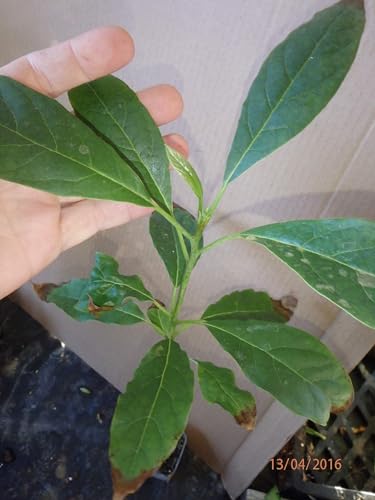
✅ For sale is one Hass avocado seedling (not grafted), 14-20 inches tall, offering a consistent supply of creamy Hass avocados for over half the year. This tree is a resilient choice, thriving both indoors and outdoors, suitable for zones 9-11 outdoors and zones 4-11 indoors when grown in a container. Avocados are known to be thirsty, especially when first planted, requiring watering three to six times per week. Seedling will flower on year 3-4 from planting

Not available in CA

🌿 Organic Liquid Kelp Fertilizer Concentrate for Avocado Trees - 8 oz Bottle Makes 45 Gallons of Superfood Nutrient Solution - Premium Ascophyllum Nodosum Seaweed - For Indoor & Outdoor Avocado Care - Made in USA. Support healthy growth and abundant fruit production in your avocado trees with this highly concentrated organic kelp fertilizer—formulated to meet the specific nutritional needs of all avocado varieties.
Choosing the Right Avocado Varieties for St. Louis
Selecting the appropriate avocado varieties is crucial for successful cultivation in St. Louis, where climate conditions can be challenging. Understanding which types thrive in the region will help gardeners maximize their chances of producing healthy, fruitful trees. This section explores the best avocado varieties suited to the unique environment of the Gateway City.
Growth Habit: Some varieties grow taller than others. Consider your space.
Fruit Quality: Evaluate taste and texture preferences.
Pollination Needs: Some varieties require cross-pollination for better yields.
Optimal Soil Conditions for Avocado Trees
To successfully grow avocado trees in St. Louis, understanding the optimal soil conditions is crucial. These trees thrive in well-draining, nutrient-rich soils that maintain a slightly acidic to neutral pH. By ensuring the right soil composition, gardeners can create an ideal environment for healthy avocado growth in the Gateway City.
Proper soil preparation is crucial for healthy avocado trees. They prefer well-draining soil with a pH between 6 and 7. Heavy clay soils can lead to root rot, so amending the soil is necessary.
Soil pH Testing for Avocado Growth
Understanding soil pH is crucial for successfully growing avocado trees in St. Louis, MO. The right pH levels can significantly impact nutrient availability and overall tree health. This section will explore how to test soil pH and adjust it to create an optimal environment for your avocado plants.
Test Soil pH: Use a soil testing kit to determine pH levels.
Amend Soil: Add organic matter like compost to improve drainage.
Create Mounds: Plant trees in raised beds to enhance drainage.
Optimal Spring Planting for Avocado Trees
Spring presents an ideal opportunity for planting avocado trees in St. Louis, MO, as the region’s climate begins to warm. Understanding the specific conditions and timing for planting can significantly enhance the chances of successful growth. This section will explore the best practices for establishing avocado trees during this crucial season.
Planting avocado trees correctly ensures strong root development. Timing is critical; spring is the best season for planting in St. Louis.
Recommended Products

FORMULATED FOR CITRUS AND FRUIT TREES: Use these citrus fertilizer spikes on apple, orange, lemon, lime, and avocado trees; this formula is also great for feeding palm trees


🍋 Grows Delicious Fruits: With a balance of 6% nitrogen, 4% phosphorus and 6% potassium, Gardenwise’s 6-4-6 Citrus and Avocado Professional Fertilizer nourishes your indoor and outdoor trees with a high-quality blend of nutrients. You’ll love the incredible flavors!
Optimal Sunlight Locations for Avocados
Finding the right sunlight exposure is crucial for successfully growing avocado trees in St. Louis. This section explores the optimal locations within the city that provide the necessary light conditions for healthy growth, ensuring your avocado trees thrive in the Gateway City’s unique climate. Understanding these factors will help you make informed decisions about planting and placement.
Choose Location: Select a spot with full sun exposure.
Dig Hole: Make a hole twice the width of the root ball but no deeper.
Position Tree: Place the tree in the hole, ensuring the root collar is level with the soil.
Backfill: Fill the hole with soil and water thoroughly.
Avocado Tree Watering and Fertilization Tips
Proper watering and fertilization are crucial for successfully growing avocado trees in St. Louis, where the climate presents unique challenges. Understanding the specific needs of these trees will help ensure healthy growth and fruit production. This section provides essential tips for maintaining optimal moisture levels and nutrient balance for your avocado plants.
Watering and fertilization are vital for the health of avocado trees. These trees need consistent moisture but can suffer from overwatering.
Deep Watering Techniques for Avocado Trees
Deep watering is essential for the health of avocado trees, especially in the varying climate of St. Louis, MO. This technique ensures that the roots receive adequate moisture, promoting robust growth and fruit production. Understanding effective deep watering methods can significantly enhance your avocado tree’s resilience and overall vitality in the Gateway City.
Frequency: Water deeply once a week, more often during dry spells.
Signs of Stress: Yellowing leaves indicate overwatering; drooping leaves suggest underwatering.
Avocado Tree Fertilization Timing
Understanding the optimal timing for fertilizing avocado trees is crucial for successful growth in St. Louis. Proper fertilization not only enhances tree health but also boosts fruit production, making it essential for local gardeners to align their feeding schedules with the unique climate and seasonal patterns of the Gateway City.
Type of Fertilizer: Use a balanced fertilizer specifically designed for fruit trees.
Application Timing: Fertilize in early spring and again in mid-summer.
Avocado Tree Pest Control Techniques
Managing pests is crucial for the health of avocado trees, especially in St. Louis, where local conditions can attract various threats. Understanding effective pest control techniques will help ensure your trees thrive and produce fruit. This section explores practical methods tailored to the unique challenges faced by avocado growers in the Gateway City.
Pests and diseases can threaten the health of avocado trees. Regular monitoring and proactive measures are essential.
Avocado Tree Pest Management Strategies
Effective pest management is crucial for cultivating healthy avocado trees in St. Louis, where local conditions can attract various pests. Understanding the specific threats and implementing targeted strategies will help ensure robust growth and fruit production. This section explores practical approaches to protect your avocado trees from common pests in the region.
Avocado Mites: Look for webbing on leaves. Use insecticidal soap for treatment.
Scale Insects: These can be removed with horticultural oil.
Root Rot Prevention Techniques
Preventing root rot is crucial for successfully growing avocado trees in St. Louis, where the climate can pose challenges. Understanding the best practices for managing soil moisture and ensuring proper drainage will help you maintain healthy roots and promote vigorous growth. Implementing these techniques can significantly enhance your avocado cultivation efforts in the Gateway City.
Root Rot: Ensure proper drainage to prevent this fungal disease.
Powdery Mildew: Maintain airflow around trees and avoid overhead watering.
Optimal Harvest Timing for Avocados
Understanding the optimal harvest timing for avocado trees is crucial for successful cultivation in St. Louis, MO. This section delves into the specific signs and factors that indicate when your avocados are ready for picking, ensuring you maximize both yield and quality. With the right knowledge, you can enjoy the fruits of your labor at their peak.
Harvesting avocados at the right time ensures optimal flavor and texture. Avocados do not ripen on the tree, so timing is key.
Hass Avocado Harvesting Indicators
Understanding the key indicators for harvesting Hass avocados is essential for growers in St. Louis, MO. This section outlines the specific signs to look for, ensuring that your avocados are picked at their peak ripeness for the best flavor and quality. By recognizing these indicators, you can optimize your yield and enhance your overall growing experience.
Check Color: For Hass avocados, look for darkening skin.
Gentle Twist: Remove the fruit by twisting gently to avoid damage.
Ripening Avocado Storage Techniques
Proper storage techniques are essential for ripening avocados to ensure they reach their peak flavor and texture. In St. Louis, where climate conditions can vary, understanding how to manage the ripening process can help home gardeners maximize their harvest. This section explores effective methods for storing avocados to achieve optimal ripeness.
Ripening: Store avocados at room temperature until ripe.
Refrigeration: Once ripe, store in the fridge to prolong freshness.
Best Practices for St. Louis Avocado Cultivation
Cultivating avocado trees in St. Louis requires an understanding of the local climate and soil conditions. This section outlines the best practices tailored to the unique challenges and opportunities presented by the Gateway City, ensuring successful growth and fruit production for both novice and experienced gardeners.
Growing avocado trees in St. Louis is achievable with the right knowledge and care.
Focus on climate adaptation, soil preparation, and pest management to ensure a successful harvest. Regular monitoring and timely interventions will lead to thriving trees and delicious fruit.
