

Have you ever planted a tree and wondered when it’ll finally reward you with fruit? If you’ve got a persimmon tree in your yard, you’re not alone in your anticipation. These beautiful trees can take a while to produce their sweet, flavorful fruit, and understanding the timeline can help manage your expectations.
In this article, you’ll learn what factors influence how long it takes for persimmon trees to bear fruit. Whether you’re a seasoned gardener or just starting out, knowing what to expect can make the wait a little easier. With the right care and patience, you’ll soon enjoy the delicious rewards of your hard work.
Key Takeaways
- Understanding Timelines: Asian persimmons typically bear fruit in 3-6 years, while American varieties may take 4-8 years, depending on factors like tree variety and growing conditions.
- Optimal Growing Conditions: Persimmon trees thrive in well-draining soil with a pH of 6-7 and require at least 6 hours of sunlight daily for healthy growth and fruit production.
- Importance of Pollination: Some persimmon varieties require cross-pollination for optimal fruit set, so planting both self-pollinating and cross-pollinating trees can enhance yields.
- Regular Care Practices: Key maintenance practices such as annual pruning, fertilization, and proper watering help support healthy growth and increase fruit yield over time.
- Signs of Maturity: Monitoring flowering in late spring to early summer and waiting patiently for the development of small green fruit are crucial steps in tracking the progress of your persimmon tree.
- Addressing Challenges: Stay vigilant against pests and adverse weather conditions that can negatively impact flowering and fruit set, ensuring your tree remains healthy throughout the growth process.
Overview of Persimmon Trees
Persimmon trees, known for their delicious fruit, typically take several years before they begin to bear fruit. Certain factors affect this timeline, including the variety of the tree. Asian persimmons (Diospyros kaki) may take 3-6 years to produce fruit, while American persimmons (Diospyros virginiana) often take about 4-8 years.
Growth Conditions
Persimmon trees thrive in well-draining soil with a pH level around 6-7. They prefer full sun exposure, ideally getting at least 6 hours of sunlight daily. Proper watering during wet and dry seasons fosters healthy root development, which supports fruit production.
Pollination
While some persimmon varieties are self-pollinating, others require cross-pollination for optimal fruit set. When planting multiple trees, consider including both types to enhance yield. You can also introduce pollinator-friendly plants nearby to attract bees and facilitate pollination.
Tree Care
Maintaining persimmon trees involves regular pruning, which encourages better airflow and sunlight penetration. Annual fertilization with a balanced fertilizer helps ensure your tree has the necessary nutrients to produce fruit. Keep the area around the tree clear of weeds to reduce competition for nutrients.
Signs of Fruit Development
As your persimmon tree matures, look for specific signs indicating fruit development. Flowering usually occurs in late spring to early summer, followed by the formation of small green fruit. This process can take several months. Patience is key, as premature inspection can disturb the process.
Common Challenges
Be wary of common pests like fruit flies and spider mites, which can hinder fruit production. Regular inspections and organic pest control methods can prevent infestations. Additionally, weather factors such as late frosts can negatively impact flowering and fruit set; be prepared to protect your trees during sudden weather changes.
By understanding the growth conditions, care practices, and signs of development for persimmon trees, you can better manage your expectations regarding fruit production.
Factors Influencing Fruit Bearing
Several factors determine how soon your persimmon tree starts producing fruit. Understanding these elements helps you manage your expectations effectively.
Recommended Products

This fertilizer is blended especially for acid lovers such as rhododendrons, azaleas, camellias, hydrangeas, evergreens, blueberries, raspberries, strawberries, potatoes and other plants that need a low pH
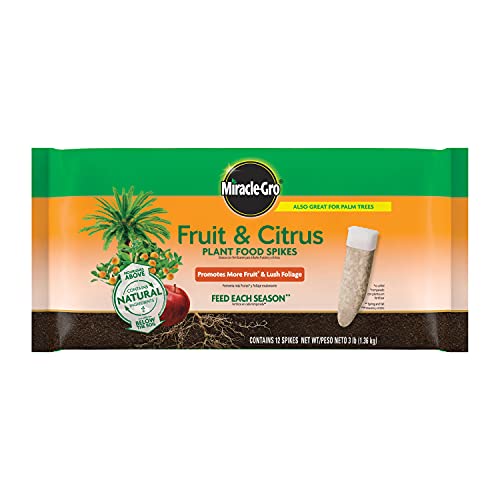
FORMULATED FOR CITRUS AND FRUIT TREES: Use these citrus fertilizer spikes on apple, orange, lemon, lime, and avocado trees; this formula is also great for feeding palm trees

Down to Earth Fruit Tree is a five pound box of all natural fertilizer with 6-2-4 formula and is listed by the Organic Materials Review Institute (OMRI) for use in organic production
Tree Variety
Tree variety plays a crucial role in fruit-bearing timelines. Asian persimmons typically bear fruit between 3-6 years after planting. American persimmons take a bit longer, generally 4-8 years. Choosing the right variety for your climate and preferences can speed up your wait. For example, ‘Fuyu’ and ‘Jiro’ are popular Asian varieties known for earlier fruit production. If you prefer American persimmons, look for varieties like ‘Meader’ or ‘Szasz,’ which also produce fruit sooner within their range.
Growing Conditions
Growing conditions significantly impact fruit development. Persimmons thrive in well-draining soil with a pH level between 6-7. Aim for at least 6 hours of sunlight daily. Trees planted in ideal conditions often mature faster than those in less favorable environments. Ensure your garden site is free from weeds and provides adequate spacing between trees. If possible, add organic matter to the soil to improve its quality and nutrient content. Regular watering during dry spells supports healthy growth, as persimmons prefer consistent moisture but not soggy soil.
Timeline for Fruit Production
Growing persimmon trees involves patience, but understanding their fruit production timeline helps manage expectations effectively.
Recommended Products

GET FRUIT IN THE FIRST YEAR — Mature Trees Flower & Produce After 1-3 Years

Lush Fuyu Jiro Persimmon Tree: Bring the beauty of a live, non-astringent fruiting plant into your garden with the American Plant Exchange Fuyu Jiro Persimmon Tree. Delivered in a 5 gallon pot, it stands tall at 2-3 feet, promising a vibrant addition to your outdoor landscape
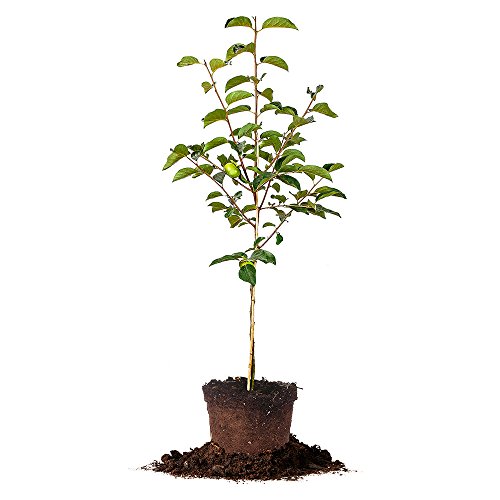
The Fuyu Persimmon is a non-astringent, sweet, delicious treat
From Planting to First Fruit
Asian persimmons typically bear fruit within 3 to 6 years after planting. You can expect American varieties to take a bit longer, around 4 to 8 years. Choosing a young grafted tree speeds up yield since these trees are more established. Ensure you plant in optimal conditions—well-draining soil, around pH 6-7, and plenty of sunlight. With proper care, such as regular watering and proper fertilization, you notice flowering and small fruit development as the years progress.
Age vs. Fruit Yield
Age significantly impacts how much fruit your persimmon tree yields. A tree that’s 3 to 6 years old might produce a modest amount of fruit, while one that’s 7 to 10 years old generally yields more substantial harvests. Factors like variety and care quality affect this. For example, varieties like ‘Fuyu’ and ‘Jiro’ often produce fruit sooner compared to ‘Meader’ or ‘Szasz.’ In addition, regular practices like pruning can optimize your tree’s fruit yield as it matures. Ensure you keep an eye on your tree’s growth; the better the care, the more fruitful the harvest can be.
Care and Maintenance
Caring for your persimmon tree ensures a healthy plant and a fruitful harvest. Key practices include pruning, providing adequate soil nutrients, and maintaining moisture.
Recommended Products

Heat-Treated Serrated Saw Blade: 8" saw blade designed for efficient cutting of branches and tough materials, ensuring sharpness and durability.

Sharp Mn Steel Blade for Fast & Clean Cuts: This pole saw uses a sharp three-sided edge with a double-sided barb design to grip branches securely and cut smoothly from multiple angles. The Mn steel blade is durable, rust-resistant, and lightweight, delivering fast, clean cuts. This is a manual pole saw with detachable pole sections for adjustable reach, not pruner, not a telescoping pole; it is neither electric nor battery-powered.
Sharp Mn Steel Blade for Fast & Clean Cuts: This pole saw uses a sharp three-sided edge with a double-sided barb design to grip branches securely and cut smoothly from multiple angles. The Mn steel blade is durable, rust-resistant, and lightweight, delivering fast, clean cuts. This is a manual pole saw with detachable pole sections for adjustable reach; not pruner not telescoping pole, it is neither electric nor battery-powered.
Pruning Techniques
Pruning encourages healthy growth and fruit production. Start with these techniques:
- Timing: Prune in late winter or early spring before new growth begins.
- Remove Deadwood: Cut away any dead, damaged, or crossing branches.
- Shape the Tree: Aim for an open center with balanced lateral branching. This configuration allows sunlight to reach all parts of the tree.
- Limit Growth: Trim back vigorous shoots to promote the development of fruit-bearing branches. Severe cuts can reduce fruit yield, so maintain a gentle approach.
Soil and Nutrient Requirements
Quality soil and proper nutrients are vital for thriving persimmon trees. Here’s what you need to ensure optimal conditions:
- Well-Draining Soil: Select sandy or loamy soil to prevent waterlogging, which can harm roots.
- pH Level: Maintain a soil pH between 6 and 7 for best nutrient absorption.
- Fertilization: Apply a balanced fertilizer annually in early spring. Aim for a formula like 10-10-10 to encourage overall growth.
- Organic Matter: Incorporate organic compost or well-rotted manure to enhance soil fertility and structure.
Regular care will support your persimmon tree through its growing stages, improving its chances of bearing fruit within the expected timeline.
Conclusion
Growing a persimmon tree is an exciting journey that requires patience and dedication. As you nurture your tree through its early years you’ll be rewarded with delicious fruit that makes the wait worthwhile. Remember to provide the right conditions and care to help your tree thrive.
With a bit of effort and attention to detail you’ll soon see the signs of fruit development. Keep an eye out for those lovely flowers and tiny green fruits. Before you know it you’ll be enjoying the sweet taste of your homegrown persimmons. Happy gardening!
Frequently Asked Questions
How long does it take for a persimmon tree to bear fruit?
Persimmon trees generally take 3-8 years to produce fruit, depending on the variety. Asian persimmons typically bear fruit in 3-6 years, while American varieties may need 4-8 years.
What conditions do persimmon trees need for optimal growth?
To thrive, persimmon trees need well-draining soil with a pH level between 6-7, at least 6 hours of sunlight daily, and consistent moisture. Proper care enhances their growth and fruit production.
Do persimmon trees need cross-pollination?
Some persimmon varieties are self-pollinating, while others benefit from cross-pollination. Planting multiple trees and pollinator-friendly plants can improve fruit yields.
What are signs that my persimmon tree is developing fruit?
Signs of fruit development include blooming flowers and the formation of small green fruits. Regular monitoring helps you track progress as the tree matures.
How can I care for my persimmon tree?
Key care practices include regular pruning, annual fertilization, and keeping the area weed-free. These habits promote healthy growth and increase fruit production.
What factors influence the timeline for fruit-bearing in persimmon trees?
Factors include tree variety, age, soil quality, sunlight, and moisture. Asian varieties like ‘Fuyu’ tend to produce fruit earlier than some American types.
How does the age of a persimmon tree affect its fruit yield?
Younger persimmon trees (3-6 years old) may yield a modest amount of fruit, while those aged 7-10 typically produce more substantial harvests, reflecting their maturity.
What common challenges can affect persimmon trees?
Pests and adverse weather conditions can hinder fruit production. Implementing preventive measures, like regular checks and proper care, can minimize these challenges.
