

Guava trees thrive in Arizona’s desert climate with proper irrigation techniques and care. By selecting the right varieties and implementing effective watering methods, you can successfully cultivate these tropical fruits even in arid conditions.
Selecting Ideal Guava Varieties for Arizona
Choosing the right guava tree variety is crucial for success in Arizona’s climate. Varieties such as the Tropical Pink and Mexican Cream are well-suited for desert conditions due to their heat tolerance. These trees can produce fruit even with limited water, making them ideal for arid environments.
Top Guava Varieties Thriving in Arizona
In Arizona’s unique climate, certain guava varieties have proven particularly resilient and fruitful. Understanding which types flourish in the desert heat can help gardeners and farmers maximize their yields while navigating the challenges of irrigation and temperature fluctuations. This section highlights the top guava varieties that thrive in Arizona’s arid conditions.
Tropical Pink: Known for its sweet flavor and vibrant color.
Mexican Cream: Offers a creamy texture and is drought-resistant.
White Guava: A hardy option that adapts well to various soil types.
| Variety | Flavor Profile | Heat Tolerance | Water Needs |
|---|---|---|---|
| Tropical Pink | Sweet | High | Moderate |
| Mexican Cream | Creamy | Very High | Low |
| White Guava | Mild | Moderate | Low |
Irrigation Strategies for Guava Trees
Successfully growing guava trees in Arizona’s desert climate requires careful attention to irrigation practices. The intense heat and arid conditions demand specific strategies to ensure these tropical trees thrive. Understanding the best methods for watering can significantly impact their growth, fruit production, and overall health in this challenging environment.
Effective irrigation is vital for guava trees in Arizona. The desert heat can quickly deplete soil moisture, so implementing specific watering techniques ensures tree health and fruit production. Deep watering encourages root growth and helps trees withstand dry spells.
Recommended Products
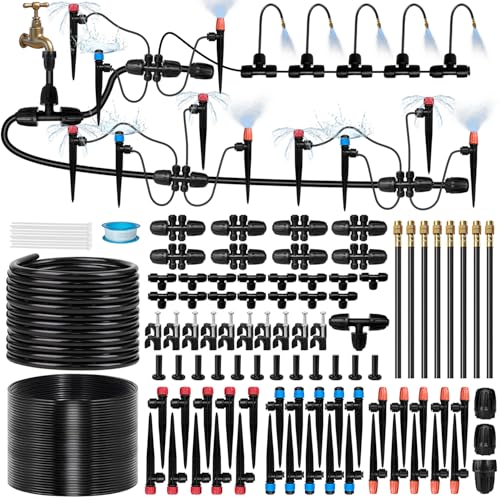
【Upgraded Tube Design & Water Saving】 Our garden watering system is upgraded to 1/2” diameter to support high water pressure. The 1/2” tee connector allows seamless splitting into 2 independent zones for customized watering schedules. By delivering moisture directly to root zones, this drip Irrigation system significantly reduces evaporation and runoff—saving more water compared to conventional sprinklers while eliminating the need for manual watering.

Be a Gardening Master with the help of our superior and complete Drip Irrigation Kit: 10 Drip Irrigation Emitters Vortex + 20 Drip Emitters Spray + 50ft flexible & durable 5/16 irrigation tubing + 50ft 1/4 inch Drip Irrigation Tubing + 12 tubing coupler + 5 ¼ Tubing Tee Splitter + Tubing End Plugs + Water Connector + 1 x Complete Instructions Guide Hard Copy + 2 Grow your Own Vegetables & Fruits Guide full with pieces of advice and practical tips Digital Format.

Quick Connect Design: Newly Upgraded Quick Connect Irrigation System Say Goodbye to Complicated Settings! Our upgraded 4-way connectors, tees, and nozzles can now be easily connected directly to 1/4 "irrigation pipes. No more trouble with heating or softening - just plug and play!
Effective Drip Irrigation for Guava Trees
Effective drip irrigation is crucial for cultivating healthy guava trees in Arizona’s arid climate. This method not only conserves water but also ensures that the trees receive the precise amount of moisture they need to thrive. Understanding the best practices for setting up and maintaining a drip irrigation system can significantly enhance the growth and fruit production of guava trees in desert conditions.
Drip Irrigation: Delivers water directly to the root zone, minimizing evaporation.
Soaker Hoses: Provide slow, deep watering, ideal for young trees.
Mulching: Reduces soil temperature and retains moisture.
Optimal Soil Conditions for Guava Growth
Guava trees prefer well-draining soil to prevent root rot. The soil should be rich in organic matter, allowing for adequate aeration and moisture retention. Testing soil pH is recommended, aiming for a range of 6.0 to 7.0 for optimal growth.
Recommended Products

Quick, at home results for Soil pH, Nitrogen, Phosphorous and Potash Innovative and inexpensive soil test kit features an easy-to-use capsule system and patented color comparators

Kindly NOTE: This soil tester can not be applied to test pH value of any other liquid. If the soil is too dry the indicator will not move, and water it before testing.

KNOW BEFORE YOU GROW | Grow the healthiest, sustainable lawn and garden with the most accurate and easy to use professional soil test kit on the market
Soil pH Testing for Guava Trees
Understanding soil pH is crucial for cultivating healthy guava trees in Arizona’s challenging desert environment. The right pH level not only influences nutrient availability but also affects the overall growth and productivity of the trees. This section will explore the importance of soil pH testing and how to achieve optimal conditions for thriving guava plants.
Test Soil pH: Use a soil test kit to determine acidity levels.
Amend Soil: Incorporate compost or well-rotted manure to enhance fertility.
Ensure Drainage: Mix sand or perlite to improve drainage if necessary.
Seasonal Maintenance Strategies for Guava Trees
Maintaining guava trees in Arizona requires a tailored approach to address the unique challenges posed by the desert climate. Seasonal maintenance strategies play a crucial role in ensuring the health and productivity of these tropical trees, focusing on irrigation, pruning, and pest management to adapt to fluctuating temperatures and arid conditions. Understanding these techniques can help cultivate thriving guava trees in this challenging environment.
Caring for guava trees throughout the seasons is essential for healthy growth and fruit production. Each season presents unique challenges and opportunities for maintenance. Monitoring environmental conditions helps in making timely adjustments.
Spring Fertilization Tips for Guava Trees
Spring is a crucial time for guava trees in Arizona, as proper fertilization can significantly enhance their growth and fruit production. With the desert heat presenting unique challenges, understanding the right nutrients and timing for application is essential. This section provides practical tips to ensure your guava trees thrive during the spring months.
Spring: Fertilize with a balanced fertilizer to promote growth.
Summer: Monitor water levels closely; adjust irrigation as needed.
Fall: Prune dead or diseased branches to prepare for winter.
Winter: Protect young trees from frost with covers or mulch.
Pest and Disease Management for Guava Trees
Managing pests and diseases is crucial for the health and productivity of guava trees in Arizona’s challenging climate. Given the unique environmental conditions, understanding common threats and effective control measures can help ensure robust growth and fruit yield. This section delves into the strategies for safeguarding your guava trees from potential infestations and illnesses.
Guava trees face several challenges in Arizona, including pests and diseases. Identifying these issues early allows for effective management strategies. Regular monitoring and prompt action can prevent significant damage.
Recommended Products

KILLS LISTED FRUIT & CITRUS TREE INSECTS: Controls Asian Citrus Psyllid, Whiteflies, Aphids Thrips, Citrus Leafminers, Leafhoppers, Blackfly, Mealybugs, Scales, Avocado Lacebugs, Oriental Beetles, Flea Beetles, Sharpshooters, and Spittlebugs


Kill borers, miners and more in your lawn and garden with Annual Tree & Shrub Insect Control Concentrate with Systemaxx from Bonide
Guava Tree Health Challenges and Solutions
Guava trees, while resilient, face unique health challenges in Arizona’s harsh desert climate. Factors such as extreme heat, soil conditions, and pests can threaten their growth and fruit production. Understanding these challenges and implementing effective solutions is essential for maintaining healthy guava trees in this environment.
| Issue | Symptoms | Solution |
|---|---|---|
| Root Rot | Wilting leaves | Improve drainage |
| Aphids | Curling leaves | Apply insecticidal soap |
| Leaf Spot | Dark spots on leaves | Remove affected leaves |
Guava Cultivation Tips for Arizona’s Climate
Growing guava trees in Arizona’s unique climate requires careful attention to irrigation and heat management. Understanding the specific needs of these tropical plants can significantly enhance their growth and fruit production, ensuring a successful cultivation experience even in the desert’s challenging conditions. Here are some essential tips for effectively nurturing guava trees in this arid environment.
Guava trees can flourish in Arizona’s desert environment with the right care and attention. Implementing effective irrigation methods and selecting suitable varieties will enhance your chances of success. Regular monitoring and seasonal adjustments are key to thriving guava trees.
