

Have you ever wondered what a passion fruit tree looks like? If you’ve spotted those vibrant, unique fruits at the store and felt curious about their origins, you’re not alone. Many people are fascinated by this tropical plant and its striking appearance.
In this article, you’ll discover the key features of the passion fruit tree, from its lush green leaves to its stunning flowers. You’ll learn how to identify it in gardens or orchards, and maybe even feel inspired to grow one yourself. By the end, you’ll have a clearer picture of this beautiful plant and what makes it so special.
Key Takeaways
- Distinctive Appearance: The passion fruit tree (Passiflora edulis) features lush green deeply lobed leaves, vibrant flowers with white and purple petals, and round to oval fruits that can vary in color from purple to yellow.
- Growing Conditions: This tropical plant thrives in well-draining, nutrient-rich soil with a pH of 6.0 to 7.0, requiring ample sunlight (at least six hours daily) and consistent but not overwatered soil for optimal growth.
- Support Structures: As a climbing vine, the passion fruit tree needs support from structures like fences or trellises to grow successfully and can also adapt well to container gardening.
- Care and Maintenance: Regular pruning in late winter or early spring promotes healthy growth and increases fruit yield, while vigilant pest management through inspections and organic treatments keeps the plant healthy.
- Fruit Harvesting: Passion fruits should be harvested when fully colored or after they drop from the vine, ensuring the best flavor and texture for culinary uses.
- Wildlife Support: The eye-catching flowers of the passion fruit tree attract pollinators like bees and butterflies, benefiting local ecosystems while enhancing your garden’s beauty.
Overview of Passion Fruit Tree
The passion fruit tree, known scientifically as Passiflora edulis, thrives in warm, tropical climates. This perennial vine showcases lush, green foliage that can grow up to 15 feet long. The leaves are deeply lobed, resembling a hand with five finger-like segments.
You’ll find its striking flowers, which bloom regularly throughout the growing season. Each flower features unique white and purple petals, creating a visual spectacle that attracts pollinators like bees and butterflies. These flowers can measure up to 4 inches in diameter.
In terms of fruit, the passion fruit is round to oval, typically measuring 2 to 3 inches in diameter. The outer skin may be purple, yellow, or green, depending on the variety. The inside contains vibrant, gelatinous pulp with numerous seeds, providing a tangy flavor that’s perfect for juices, desserts, and sauces.
When identifying the passion fruit tree, look for its thick, climbing stem. It requires support structures such as fences or trellises for optimal growth. The tree prefers well-drained soil and needs ample sunlight for fruit production, making it an excellent addition to your garden or backyard. Regular watering and pruning also encourage healthy growth and fruit yield.
This plant adapts well to container gardening, allowing you to cultivate it on patios or balconies. Ensure your container has drainage holes to prevent waterlogging. Proper care transforms the passion fruit tree into an attractive feature that produces delicious fruits year-round.
Physical Characteristics
The passion fruit tree, or Passiflora edulis, showcases distinct physical traits that make it identifiable and attractive.
Leaves and Stems
You’ll notice that passion fruit trees have large, deeply lobed leaves. These leaves can measure up to 8 inches long and remain a vibrant green. The climbing stems are thick and strong, allowing the plant to ascend fences or trellises for support. You might encounter stems that grow several feet long, creating a lush, tropical appearance in your garden.
Flowers
The passion fruit tree produces unique flowers that command attention. Each bloom features striking white petals with purple filaments, often measuring around 3-5 inches across. These flowers typically open during the day and are known to attract various pollinators, including bees and butterflies. Seeing these blooms in your garden not only beautifies the space but also supports local wildlife.
Fruits
Fruit characteristics provide a delightful payoff for your gardening efforts. Passion fruits can range in color from purple to yellow, often measuring about 2-3 inches in diameter. The skin remains smooth and slightly waxy, while the interior is filled with juicy, aromatic pulp packed with small black seeds. The tangy flavor of the fruit adds a zesty touch to desserts, beverages, and sauces. Harvesting occurs when the fruits fall from the vine or when they reach full color, ensuring you enjoy the best flavor and texture.
Growth Conditions
Passion fruit trees thrive best under specific conditions. Understanding these requirements ensures healthy growth and abundant fruit production.
Recommended Products

Made For Potted Citrus Trees: Our citrus potting soil mix is made for potted lemon, lime, orange and other citrus trees that need a lighter growing medium for repotting. We double-screen all of our raw ingredients to support a cleaner, more consistent texture for pouring and repotting potted citrus trees.

🍇 𝐏𝐑𝐄𝐌𝐈𝐔𝐌 𝐏𝐀𝐒𝐒𝐈𝐎𝐍 𝐅𝐑𝐔𝐈𝐓 𝐏𝐎𝐓𝐓𝐈𝐍𝐆 𝐌𝐈𝐗: Our Passion Fruit Potting Mix is expertly crafted to provide the perfect growing environment for vibrant and healthy passion fruit vines. This premium soil mix ensures your passion fruit plants receive the optimal nutrients, moisture, and aeration needed to thrive, making it ideal for both indoor plants and container gardening.

Soil Requirements
Passion fruit trees prefer well-draining soil rich in organic matter. Aim for pH levels between 6.0 and 7.0 for optimal nutrient availability. You can amend the soil with compost or aged manure to improve fertility and drainage. Avoid heavy clay soils to prevent root rot. A good practice involves checking drainage by digging a hole, filling it with water, and observing how quickly it drains. Ideally, the water should disappear within a few hours.
Sunlight and Water
Passion fruit trees require full sun for at least six hours daily. Choose planting locations that receive direct sunlight for maximum growth and fruit yield. Regarding watering, keep the soil consistently moist but not waterlogged. Watering deeply once a week promotes healthy root development. During dry spells or growth periods, increase watering frequency, ensuring the soil remains moist. Always monitor for signs of overwatering, like yellowing leaves, which indicate a need to adjust your watering schedule.
Care and Maintenance
Caring for your passion fruit tree ensures vibrant growth and abundant fruit. Focus on pruning and managing pests to maintain plant health effectively.
Recommended Products

▲【Large Fruit Picker Basket with Claw】Our fruit picker rake comes with metal twist on head basket( 9"x5.5"x5.5") for picking avocado, tangerines, apple, persimmon, grapefruit, mango, apple, pear, fig, orange, papaya,mandarins, lemons, jujubes and more fruit in four seasons.

1.Essential tool for those who process tomatoes or strawberries for canning. Significantly cuts down prep time and much easier than using a paring knife. Stainless steel teeth and durable.
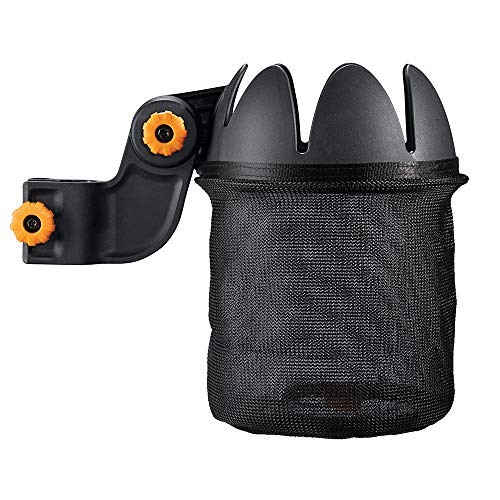
Fiskars Fruit Picker Basket harvests fruit from tall trees without bruising or scratching
Pruning Techniques
Pruning promotes healthy growth and increases fruit production. Perform the following steps:
- Timing: Prune during late winter or early spring before the new growth begins.
- Remove Dead Wood: Cut away any dead or damaged branches to improve air circulation.
- Thin Out the Growth: Trim back excessive growth, aiming for about one-third of the vine’s length. This encourages more robust fruiting.
- Support Structure: Ensure that branches trained to supports remain accessible for maintenance.
Pruning not only shapes the tree but also enhances fruit size and quality.
Pest Management
Pest management protects your passion fruit tree from common threats. Follow these practices to keep pests at bay:
- Regular Inspection: Check the leaves and stems for signs of pests like aphids, spider mites, and whiteflies.
- Organic Insecticides: Use neem oil or insecticidal soap for targeted areas. Apply these treatments in the early morning or late afternoon to avoid harming beneficial insects.
- Introduce Beneficial Insects: Encourage natural predators like ladybugs or lacewings to control pests naturally.
- Cultural Practices: Maintain plant health through proper watering and fertilization, as healthy plants are more resistant to pests.
Managing pests effectively safeguards your tree, allowing for successful fruit production and a thriving garden.
Conclusion
The passion fruit tree is truly a remarkable addition to any garden. With its vibrant fruits and stunning flowers it brings both beauty and flavor to your outdoor space. Whether you’re drawn to its lush greenery or the deliciously tangy fruit it produces you’ll find joy in nurturing this tropical gem.
By understanding its needs for sunlight and well-drained soil you can create the perfect environment for it to thrive. Plus with the right care and maintenance you’ll enjoy a bountiful harvest that can elevate your culinary creations. Embrace the charm of the passion fruit tree and watch as it transforms your garden into a vibrant oasis.
Frequently Asked Questions
What is the passion fruit tree?
The passion fruit tree, or Passiflora edulis, is a tropical plant known for its vibrant fruits, unique flowers, and lush foliage. It thrives in warm climates and can grow up to 15 feet tall, featuring deeply lobed leaves and stunning blooms that attract pollinators.
What do passion fruits look like?
Passion fruits can be purple, yellow, or green. They typically measure 2-3 inches in diameter with smooth, slightly waxy skin. Inside, they have juicy, aromatic pulp filled with small black seeds, offering a tangy flavor perfect for various culinary uses.
How do you care for a passion fruit tree?
Passion fruit trees prefer well-drained, organic-rich soil with a pH level between 6.0 and 7.0. They need full sun for at least six hours a day and should be watered deeply once a week, adjusting for dry spells to prevent waterlogging.
How do you identify a passion fruit tree?
You can identify a passion fruit tree by its thick, climbing stems that require support, such as trellises or fences. The tree also has distinctive deeply lobed leaves and beautiful flowers with unique white petals and purple filaments.
What are effective pest management strategies for passion fruit trees?
Effective pest management includes regular inspections of the tree, using organic insecticides, and encouraging beneficial insects. This helps protect the tree from common threats and ensures vibrant growth and abundant fruit production.
When should passion fruit be harvested?
Passion fruits are ready for harvest when they drop from the vine or reach full color. It’s essential to harvest them at this stage to ensure optimal flavor and texture for culinary uses.
Can passion fruit trees grow in containers?
Yes, passion fruit trees can thrive in containers with proper care. Ensure that the container has good drainage, use rich soil, and provide support for climbing. With adequate sunlight and watering, they can yield fruit in limited spaces.
What are the common uses for passion fruit?
Passion fruit is versatile in the kitchen. It’s commonly used in beverages, desserts, sauces, and salads. Its tangy flavor enhances many dishes, and it can also be eaten fresh or used to make jams and jellies.
How should I prune my passion fruit tree?
Pruning should focus on removing dead wood and thinning excessive growth to improve air circulation and fruit size. Best done in late winter or early spring, proper pruning encourages healthier growth and better yields.
